
Exploring the Mythology and Mysteries of Ancient Ephesus
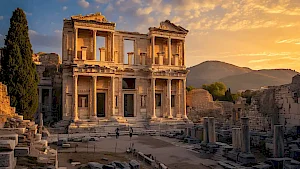
Ephesus, one of the most prominent cities of the ancient world, was steeped in mythology and riddled with mysteries. This city was not only a center of trade and culture but also a place where gods, legends, and enigmatic figures were deeply woven into its history. From the powerful influence of Artemis to tales of early Christian saints, Ephesus holds secrets that continue to fascinate and intrigue. This guide uncovers some of the myths and mysteries that make Ephesus a place of wonder and allure.
1. The Worship of Artemis: Goddess of Ephesus
Artemis, known as the goddess of the hunt, fertility, and protector of women, was the patron deity of Ephesus. The Temple of Artemis, also called the Artemision, was one of the Seven Wonders of the Ancient World. In Ephesus, Artemis was depicted in a unique form, adorned with multiple breasts or egg-like shapes, symbolizing abundance and nurturing. Her worship attracted followers from all over the ancient Mediterranean, and festivals dedicated to her included grand processions and sacrifices. Myths Associated with Artemis:
- Protection of Ephesus: Artemis was believed to protect the city and its citizens, and her temple was a sanctuary for those seeking refuge.
- The Sacred Animals: Artemis was often accompanied by deer, symbols of her connection to nature and the wilderness. In some local myths, these animals roamed the temple grounds as divine guardians.
2. The Mysterious Cult of Cybele
Long before the worship of Artemis, Ephesus was a center for the cult of Cybele, a mother goddess figure worshiped in Anatolia. The cult involved rituals that celebrated life, death, and rebirth, often carried out in sacred groves and natural sanctuaries. Over time, the worship of Cybele merged with that of Artemis, blending local traditions with Greek influences to create the unique Ephesian Artemis we know today. Mysteries of the Cybele Cult:
- Rituals of Transformation: Initiates of the cult were said to undergo intense rites of purification and transformation, seeking a connection with the goddess.
- Natural Sanctuaries: Remnants of the sacred groves where Cybele was once worshipped have been found near Ephesus, hinting at the city’s ancient spiritual roots.
3. The Cave of the Seven Sleepers
The legend of the Seven Sleepers of Ephesus is one of the city’s most enduring tales, celebrated in both Christian and Islamic traditions. According to the story, seven young men sought refuge from persecution by hiding in a cave outside Ephesus. They fell into a miraculous sleep that lasted for centuries, only to awaken in a new era. This story is seen as a symbol of faith and endurance, and the cave remains a site of pilgrimage for those who honor its message. The Mystery of the Sleepers:
- A Symbol of Faith: The legend reflects themes of resurrection and eternal life, resonating with both Christian and Islamic beliefs.
- Unanswered Questions: The exact location of the cave has been debated, and archaeological remains near Ephesus fuel ongoing interest in this story.
4. The Temple of Serapis and Ephesus’ Egyptian Connections
The Temple of Serapis in Ephesus offers insight into the city’s diverse religious influences. Serapis, a Greco-Egyptian deity, was worshiped in this grand temple, illustrating the blend of Egyptian and Greek culture in the city. The temple served as a meeting point for different spiritual traditions, showing how Ephesus welcomed beliefs from far-off lands. The Mysteries of Serapis Worship:
- Cultural Fusion: The temple’s architecture reflects a unique blend of Egyptian and Hellenistic styles, symbolizing the city’s openness to new ideas.
- Ritual Practices: Although little is known about the specific rituals, the temple remains suggest it was a significant place of worship for travelers and merchants from Egypt.
5. Christian Legends: St. Paul, St. John, and the Virgin Mary
Ephesus played a crucial role in the early spread of Christianity, with St. Paul preaching in the city and establishing a Christian community. According to tradition, St. John and the Virgin Mary also spent their final days in Ephesus. The Basilica of St. John and the House of the Virgin Mary are important pilgrimage sites that draw visitors from around the world, keeping alive the memory of these Christian figures. Mysteries and Legends:
- St. John’s Tomb: The basilica built over St. John’s tomb was said to be a place of miracles, and pilgrims still leave prayers there.
- The Virgin Mary’s House: This humble dwelling on Mount Koressos is believed by many to be the final home of Mary, offering a sense of peace and reflection to those who visit.
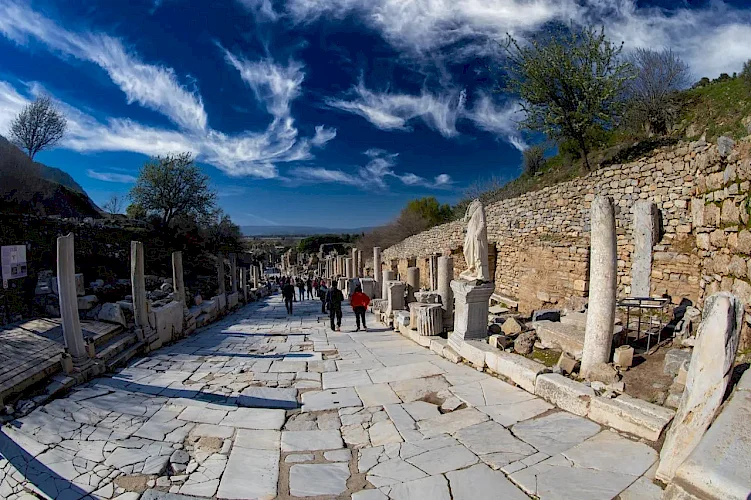
Conclusion Ephesus is a city that resonates with the echoes of gods, legends, and spiritual seekers. From the veneration of Artemis and the mysteries of the Cybele cult to the Christian stories of St. John and the Virgin Mary, Ephesus invites us to explore its mythology and uncover its secrets. The ruins of the ancient city continue to inspire curiosity, reminding us that Ephesus was a place where different beliefs intersected, creating a unique legacy of faith, myth, and mystery.
For more on the myths and mysteries of Ephesus, visit the Wikipedia page on Ephesus.
Introduction
Discover the fascinating world of Exploring the Mythology and Mysteries of Ancient Ephesus in ancient Ephesus. This comprehensive guide explores the historical significance, archaeological findings, and cultural impact of this remarkable aspect of Ephesian heritage.
Historical Background
The history of Exploring the Mythology and Mysteries of Ancient Ephesus dates back to the early days of Ephesus. Archaeological evidence suggests that this aspect of Ephesian life played a crucial role in shaping the city's development and cultural identity.
Archaeological Discoveries
Recent excavations have unveiled remarkable findings related to Exploring the Mythology and Mysteries of Ancient Ephesus. These discoveries provide valuable insights into how this aspect of Ephesian life evolved over time.
Cultural Significance
Understanding Exploring the Mythology and Mysteries of Ancient Ephesus is crucial for appreciating the broader cultural context of ancient Ephesus. Its influence extended beyond the city walls, impacting trade, religion, and daily life.
Visitor Information
Today, visitors to Ephesus can explore the remnants of Exploring the Mythology and Mysteries of Ancient Ephesus firsthand. This section provides practical information for making the most of your visit.
Preservation and Future
Ongoing conservation efforts ensure that Exploring the Mythology and Mysteries of Ancient Ephesus remains preserved for future generations. Learn about the challenges and successes in maintaining this important historical site.
Frequently Asked Questions
What is the historical significance of Exploring the Mythology and Mysteries of Ancient Ephesus?
The Exploring the Mythology and Mysteries of Ancient Ephesus holds great historical importance in ancient Ephesus, providing valuable insights into the city's cultural and social development.
What can visitors see related to Exploring the Mythology and Mysteries of Ancient Ephesus today?
Visitors to Ephesus can explore well-preserved remains and artifacts related to Exploring the Mythology and Mysteries of Ancient Ephesus, offering a glimpse into the ancient world.
When is the best time to visit Exploring the Mythology and Mysteries of Ancient Ephesus?
The best time to visit is during the spring (April-May) or autumn (September-October) when the weather is mild and crowds are smaller.
Frequently Asked Questions
What is the historical significance of Exploring the Mythology and Mysteries of Ancient Ephesus?
The Exploring the Mythology and Mysteries of Ancient Ephesus holds great historical importance in ancient Ephesus, providing valuable insights into the city's cultural and social development.
What can visitors see related to Exploring the Mythology and Mysteries of Ancient Ephesus today?
Visitors to Ephesus can explore well-preserved remains and artifacts related to Exploring the Mythology and Mysteries of Ancient Ephesus, offering a glimpse into the ancient world.
When is the best time to visit Exploring the Mythology and Mysteries of Ancient Ephesus?
The best time to visit is during the spring (April-May) or autumn (September-October) when the weather is mild and crowds are smaller.
Frequently Asked Questions
What is the historical significance of Exploring the Mythology and Mysteries of Ancient Ephesus?
The Exploring the Mythology and Mysteries of Ancient Ephesus holds great historical importance in ancient Ephesus, providing valuable insights into the city's cultural and social development.
What can visitors see related to Exploring the Mythology and Mysteries of Ancient Ephesus today?
Visitors to Ephesus can explore well-preserved remains and artifacts related to Exploring the Mythology and Mysteries of Ancient Ephesus, offering a glimpse into the ancient world.
When is the best time to visit Exploring the Mythology and Mysteries of Ancient Ephesus?
The best time to visit is during the spring (April-May) or autumn (September-October) when the weather is mild and crowds are smaller.