
Is Ephesus one of the 7 Wonders of the World?
Ephesus, located near the town of Selçuk in Turkey, is one of the most visited and well-preserved archaeological sites in the world. Renowned for its rich history and stunning ruins, it offers visitors a glimpse into life in ancient times, when it was a thriving hub of commerce, religion, and culture. But the question often arises: "Is Ephesus one of the Seven Wonders of the World?" The answer is both yes and no. While Ephesus as a city is not considered one of the Seven Wonders of the Ancient World, it is home to the remains of one of those wonders: the Temple of Artemis. In this detailed guide, we will explore the significance of the Temple of Artemis, its connection to the Seven Wonders of the Ancient World, and why Ephesus remains one of the most extraordinary archaeological sites on Earth. We’ll also cover practical tips for visiting the ruins of Ephesus and exploring its incredible historical landmarks in 2024.
Table of Contents:
- Introduction to Ephesus and the Seven Wonders of the Ancient World
- What Are the Seven Wonders of the Ancient World?
- The Temple of Artemis: Ephesus’ Connection to the Seven Wonders
- The History and Destruction of the Temple of Artemis
- What Remains of the Temple of Artemis Today?
- Other Highlights of Ephesus: A City of Wonders
- Practical Tips for Visiting Ephesus in 2024
- Frequently Asked Questions
1. Introduction to Ephesus and the Seven Wonders of the Ancient World
Ephesus, or Efes in Turkish, was an ancient Greek city that later became one of the most important cities of the Roman Empire. It was a center of commerce, culture, and religion, and at its height, it was home to over 250,000 people, making it one of the largest cities of the ancient Mediterranean world【56†source】. While the city itself is not one of the Seven Wonders of the Ancient World, it holds the remains of the Temple of Artemis, which was once celebrated as one of those Seven Wonders. This temple, dedicated to the goddess Artemis, was considered one of the most magnificent structures of the ancient world. Although the temple no longer stands in its original glory, the legacy of Ephesus and its connection to the Seven Wonders remains a powerful draw for historians and tourists alike.
2. What Are the Seven Wonders of the Ancient World?
The Seven Wonders of the Ancient World were a list of extraordinary architectural and artistic accomplishments compiled by ancient Greek historians. These wonders were all located around the Mediterranean and Middle Eastern regions and were considered the most impressive feats of human ingenuity and craftsmanship during that era. Here’s a quick look at the original Seven Wonders:
- Great Pyramid of Giza (Egypt) – The only wonder still standing today.
- Hanging Gardens of Babylon (Iraq) – A legendary garden built in ancient Babylon.
- Statue of Zeus at Olympia (Greece) – A giant statue of the god Zeus, located in Olympia.
- Temple of Artemis at Ephesus (Turkey) – A grand temple dedicated to the goddess Artemis, located in Ephesus.
- Mausoleum at Halicarnassus (Turkey) – A monumental tomb built for Mausolus, the ruler of Caria.
- Colossus of Rhodes (Greece) – A giant bronze statue of the sun god Helios, located on the island of Rhodes.
- Lighthouse of Alexandria (Egypt) – A massive lighthouse that guided ships safely into the harbor of Alexandria.
Of these wonders, the Great Pyramid of Giza is the only one that still stands today. The rest have been destroyed over the centuries due to earthquakes, fires, and other natural disasters. The Temple of Artemis was one of the most revered and impressive of the Seven Wonders.
3. The Temple of Artemis: Ephesus’ Connection to the Seven Wonders
The Temple of Artemis, also known as the Artemision, was a grand temple dedicated to the goddess Artemis, the Greek goddess of the hunt, wild animals, fertility, and childbirth. Artemis was worshipped as the protector of Ephesus, and the temple was considered her primary sanctuary. The construction of the Temple of Artemis was funded by the wealthy Lydian king Croesus and began around 550 BC. The temple was located just outside the city of Ephesus and was designed by the renowned architect Chersiphron and his son Metagenes. The final structure was massive, standing over 110 meters (360 feet) long, 55 meters (180 feet) wide, and supported by 127 marble columns, each about 20 meters (60 feet) tall. The temple became one of the most important religious and cultural centers in the ancient world. It attracted pilgrims, merchants, and travelers from across the Mediterranean, not only for religious reasons but also for its immense beauty and grandeur. The temple housed numerous sculptures and artworks, many of which were created by some of the most skilled artisans of the time.
Why Was the Temple of Artemis Considered a Wonder?
The Temple of Artemis was considered a wonder for several reasons:
- Sheer Size: The temple was one of the largest buildings of its time, and its enormous size alone made it a marvel of ancient engineering.
- Architectural Beauty: The intricate designs, detailed sculptures, and artistic craftsmanship of the temple were unparalleled in the ancient world.
- Religious Significance: As one of the most important sanctuaries of Artemis, the temple played a central role in religious practices and festivals, further enhancing its status.
The temple was rebuilt several times due to damage from fires and floods, but each reconstruction made it more magnificent than before.
4. The History and Destruction of the Temple of Artemis
The Temple of Artemis was first destroyed by a devastating fire in 356 BC, which was set deliberately by a man named Herostratus. He set fire to the temple in an attempt to gain notoriety, and as a result, his name was condemned to infamy. The temple was later rebuilt, but it was destroyed again in 262 AD by the Goths during their raids on the Roman Empire. By the time of its final destruction, the temple had already been in decline, and after it was reduced to ruins, it was never rebuilt again. Over the centuries, the remains of the temple were scavenged for building materials, and much of its grandeur was lost. Today, only a few columns and scattered stones remain at the original site, serving as a reminder of its former glory.
5. What Remains of the Temple of Artemis Today?
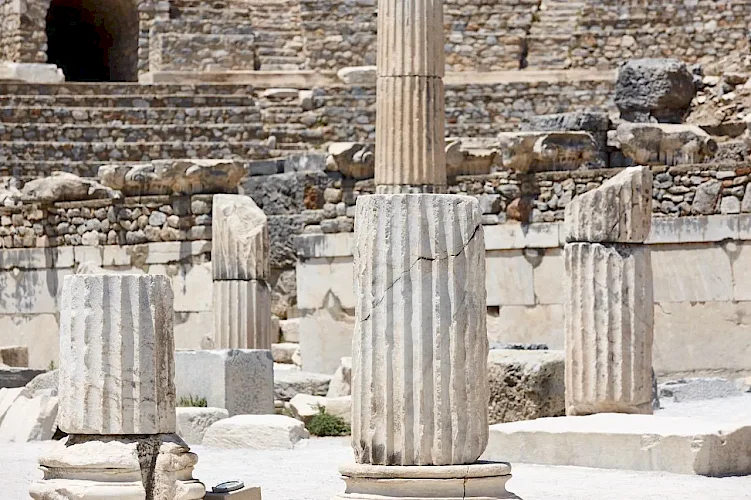
Unfortunately, very little of the Temple of Artemis remains today. Visitors to Ephesus can see only a few scattered ruins, including some reconstructed columns. The site itself is somewhat unassuming compared to the grandeur that once stood there. However, the historical significance of the temple continues to attract visitors who are eager to see the place where one of the Seven Wonders of the Ancient World once stood. For a better understanding of the temple's significance, visitors can also explore the Ephesus Archaeological Museum in nearby Selçuk, where some of the artifacts and statues that once adorned the temple are on display.
6. Other Highlights of Ephesus: A City of Wonders
While the Temple of Artemis is Ephesus’ claim to the Seven Wonders of the Ancient World, the city itself boasts many other impressive landmarks that are worth exploring. Here are some of the most famous highlights of Ephesus:
1. The Library of Celsus
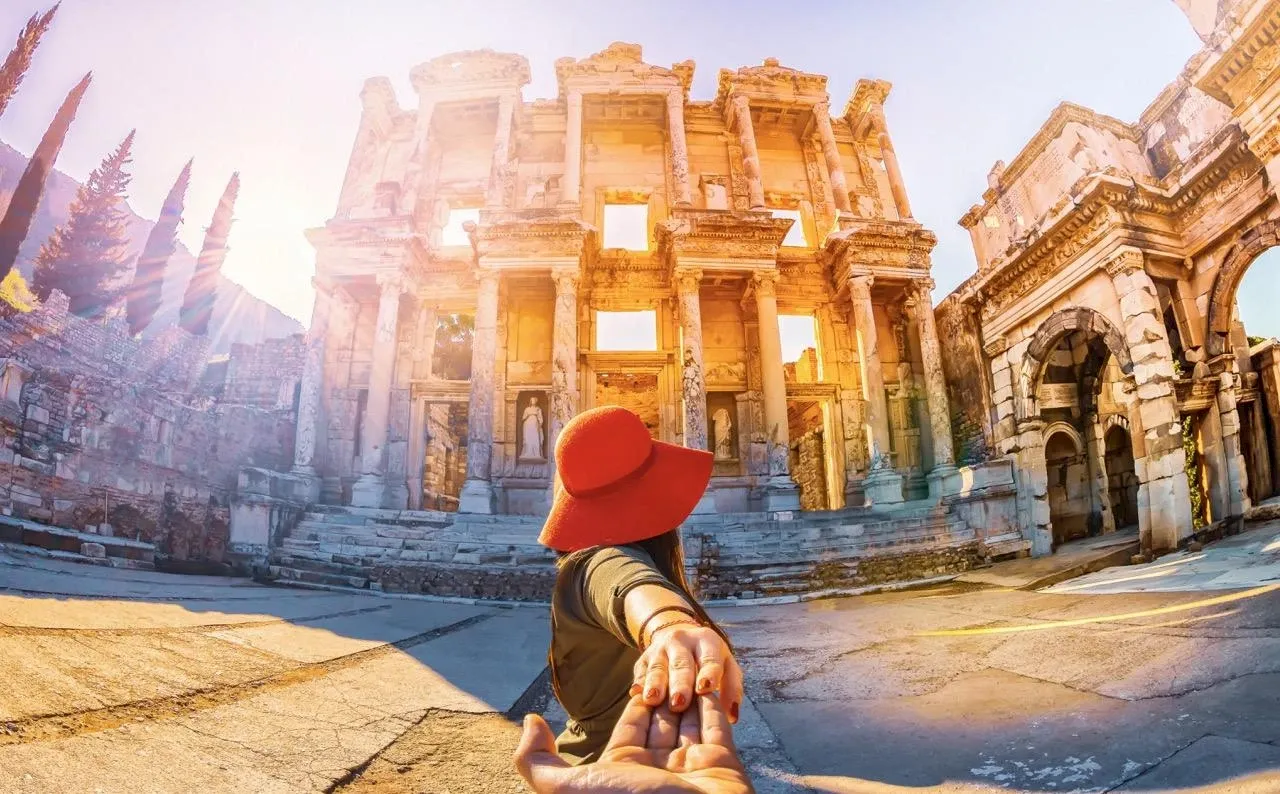
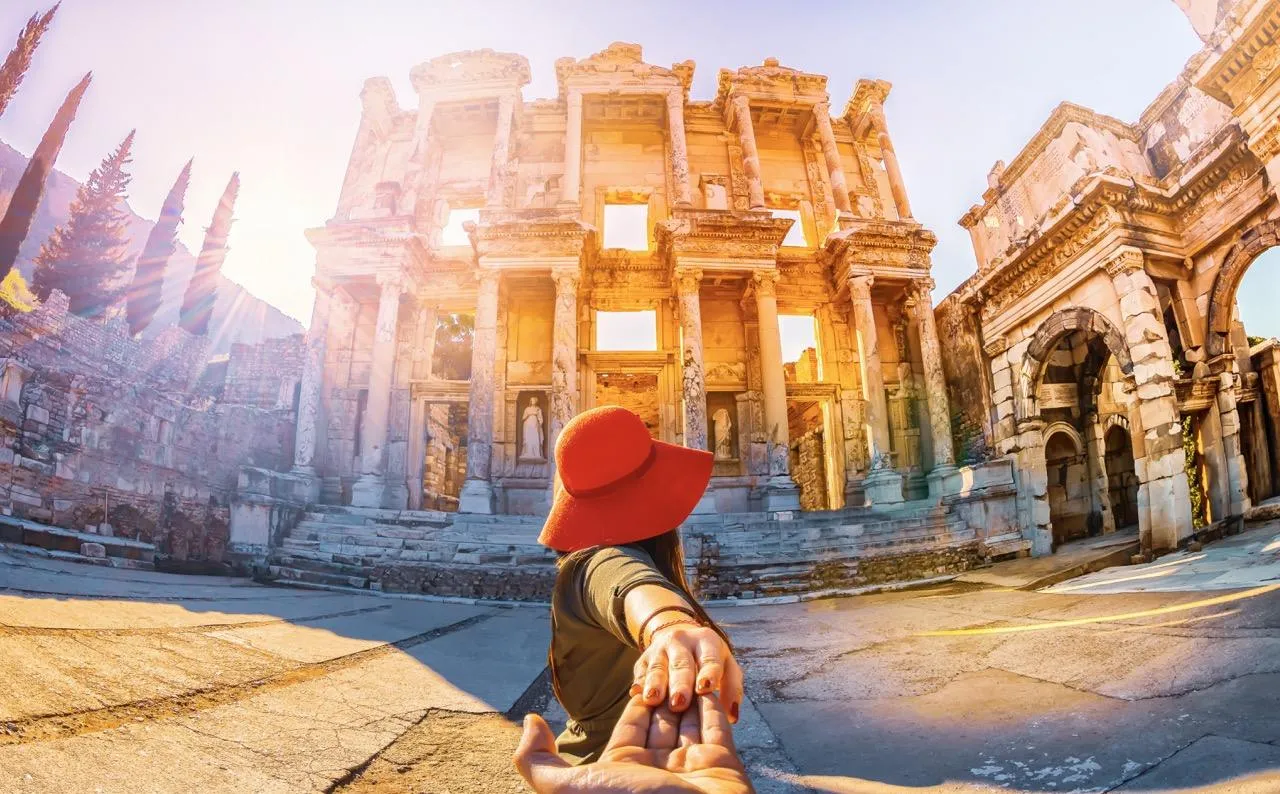
The Library of Celsus is one of the most iconic structures in Ephesus. Built in the 2nd century AD, the library was one of the largest in the ancient world, housing over 12,000 scrolls. Its ornate façade is still remarkably well-preserved and remains one of the most photographed ruins in Ephesus.
2. The Great Theatre
The Great Theatre of Ephesus was built in the 3rd century BC and later expanded by the Romans. It could seat up to 25,000 people and was used for dramatic performances, gladiator contests, and public gatherings. Climbing to the top of the theatre offers stunning views of the ancient city.
3. Curetes Street
Curetes Street is the main thoroughfare that runs through the heart of Ephesus. Walking down this ancient street, lined with columns, statues, and the remnants of shops and temples, provides a vivid sense of life in ancient Ephesus.
4. The Temple of Hadrian
The Temple of Hadrian is another well-preserved structure in Ephesus. Built in the 2nd century AD, the temple is adorned with intricate reliefs that depict scenes from mythology and the history of Ephesus.
7. Practical Tips for Visiting Ephesus in 2024
- Entrance Fees: The entrance fee for Ephesus is 700 Turkish Lira (TRY) for general admission. The Temple of Artemis is located outside the main archaeological site and can be visited free of charge.
- Best Time to Visit: The best times to visit Ephesus are during the spring (April to June) and fall (September to November), when the weather is mild, and the crowds are smaller.
- Comfortable Footwear: Ephesus is a large site with uneven terrain, so be sure to wear comfortable walking shoes.
- Sun Protection: There is little shade at Ephesus, so bring sunscreen, a hat, and sunglasses to protect yourself from the sun.
8. Frequently Asked Questions
Q: Is Ephesus one of the Seven Wonders of the World? A: While the city of Ephesus is not one of the Seven Wonders of the Ancient World, it is home to the remains of the Temple of Artemis, which was one of those wonders. Q: Can I visit the Temple of Artemis today? A: Yes, visitors can see the site of the Temple of Artemis near Ephesus, but very little remains of the original structure. Only a few reconstructed columns and scattered stones are visible. Q: What are the entrance fees for Ephesus? A: The entrance fee to Ephesus is 700 Turkish Lira (TRY) for general admission. The Temple of Artemis site is free to visit, as it is located outside the main archaeological site.
Conclusion
While Ephesus itself is not one of the Seven Wonders of the Ancient World, it is home to the remains of the Temple of Artemis, a wonder that once stood as a symbol of human ingenuity and religious devotion. Today, visitors to Ephesus can explore the site of this ancient temple and immerse themselves in the city’s rich history, marveling at its many other impressive landmarks. Whether you're a history enthusiast or a curious traveler, Ephesus offers an unforgettable journey through time. For more information on Ephesus and its history, you can visit Wikipedia’s page on Ephesus.
Historical Background
The history of Is Ephesus one of the 7 Wonders of the World? dates back to the early days of Ephesus. Archaeological evidence suggests that this aspect of Ephesian life played a crucial role in shaping the city's development and cultural identity.
Archaeological Discoveries
Recent excavations have unveiled remarkable findings related to Is Ephesus one of the 7 Wonders of the World?. These discoveries provide valuable insights into how this aspect of Ephesian life evolved over time.
Cultural Significance
Understanding Is Ephesus one of the 7 Wonders of the World? is crucial for appreciating the broader cultural context of ancient Ephesus. Its influence extended beyond the city walls, impacting trade, religion, and daily life.
Visitor Information
Today, visitors to Ephesus can explore the remnants of Is Ephesus one of the 7 Wonders of the World? firsthand. This section provides practical information for making the most of your visit.
Preservation and Future
Ongoing conservation efforts ensure that Is Ephesus one of the 7 Wonders of the World? remains preserved for future generations. Learn about the challenges and successes in maintaining this important historical site.
Frequently Asked Questions
What is the historical significance of Is Ephesus one of the 7 Wonders of the World??
The Is Ephesus one of the 7 Wonders of the World? holds great historical importance in ancient Ephesus, providing valuable insights into the city's cultural and social development.
What can visitors see related to Is Ephesus one of the 7 Wonders of the World? today?
Visitors to Ephesus can explore well-preserved remains and artifacts related to Is Ephesus one of the 7 Wonders of the World?, offering a glimpse into the ancient world.
When is the best time to visit Is Ephesus one of the 7 Wonders of the World??
The best time to visit is during the spring (April-May) or autumn (September-October) when the weather is mild and crowds are smaller.
Frequently Asked Questions
What is the historical significance of Is Ephesus one of the 7 Wonders of the World??
The Is Ephesus one of the 7 Wonders of the World? holds great historical importance in ancient Ephesus, providing valuable insights into the city's cultural and social development.
What can visitors see related to Is Ephesus one of the 7 Wonders of the World? today?
Visitors to Ephesus can explore well-preserved remains and artifacts related to Is Ephesus one of the 7 Wonders of the World?, offering a glimpse into the ancient world.
When is the best time to visit Is Ephesus one of the 7 Wonders of the World??
The best time to visit is during the spring (April-May) or autumn (September-October) when the weather is mild and crowds are smaller.
Frequently Asked Questions
What is the historical significance of Is Ephesus one of the 7 Wonders of the World??
The Is Ephesus one of the 7 Wonders of the World? holds great historical importance in ancient Ephesus, providing valuable insights into the city's cultural and social development.
What can visitors see related to Is Ephesus one of the 7 Wonders of the World? today?
Visitors to Ephesus can explore well-preserved remains and artifacts related to Is Ephesus one of the 7 Wonders of the World?, offering a glimpse into the ancient world.
When is the best time to visit Is Ephesus one of the 7 Wonders of the World??
The best time to visit is during the spring (April-May) or autumn (September-October) when the weather is mild and crowds are smaller.