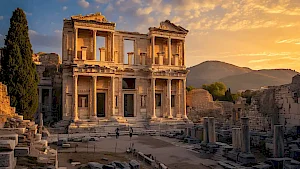


The Stadium of Ephesus: Sports and Spectacles in Ancient ...
In ancient Ephesus, public gatherings were not limited to political debates and theatrical performances; they also included athletic competitions and grand spectacles. The Stadium of Ephesus was the city’s premier venue for sports, offering a space where citizens could watch athletic contests, horse races, and even gladiatorial combats. This post explores the history, purpose, and types of events held in the Stadium of Ephesus, giving a glimpse into the sports and spectacles that once captivated the ancient city’s population.
1. The Architecture and Layout of the Stadium
Built during the Roman period, the Stadium of Ephesus was a large, elongated structure with seating on both sides, accommodating thousands of spectators. Positioned near the Temple of Artemis, the stadium followed the classic design of Roman arenas, with a central track for races and events and rows of stone benches rising in tiers for the audience. The architectural layout allowed for excellent views of the action, whether it was a chariot race or an athletic competition. Key Features of the Stadium:
- Long Central Track: Perfect for foot races, chariot races, and other spectacles.
- Tiered Seating: Offering space for large crowds, with special sections for city elites.
- Entrance Arches: Grand entrances that showcased the stadium’s importance in the city.
2. Athletic Contests and Public Games
The stadium hosted a variety of athletic events, from foot races and discus throws to wrestling and boxing. These contests celebrated strength, skill, and endurance, and were an essential aspect of Greek and Roman culture. Events were often part of religious festivals, particularly those honoring the goddess Artemis. Victorious athletes received laurels, trophies, and the admiration of the crowd, as well as civic honors that elevated their status in Ephesian society. Popular Events:
- Running and Sprinting: Foot races were among the most anticipated events, with athletes competing for speed and agility.
- Wrestling and Boxing: These physical contests were a display of strength and strategy, captivating audiences who cheered for their favorite fighters.
- Javelin and Discus Throws: Traditional events that demonstrated both power and precision, showcasing the athletic prowess of the participants.
3. Chariot Racing: The Ultimate Spectacle
Chariot races were one of the most thrilling events held in the stadium, drawing large crowds eager to witness the excitement and danger. The races, involving horse-drawn chariots competing at high speeds, were risky and often led to dramatic crashes. The races captivated audiences not only because of the skill involved but also because of the high stakes and intense rivalries that accompanied each event. Chariot racing in Ephesus reflected the influence of Roman entertainment culture, where the thrill of the competition often eclipsed concerns for the participants' safety. Chariot Racing Highlights:
- Four-Horse Chariots: The most prestigious and challenging type of race, testing both the drivers' skill and the horses' endurance.
- Intense Rivalries: Teams sponsored by prominent citizens or organizations added an extra layer of excitement to the races.
- Dramatic Crashes: Known as “spills,” these dangerous moments kept the audience on edge, making chariot races one of the most anticipated spectacles.
4. Gladiatorial Contests and Animal Hunts
Like many Roman cities, Ephesus incorporated gladiatorial contests and animal hunts into its entertainment lineup. These events, often held in the stadium’s central arena, featured battles between trained fighters and ferocious animals. Gladiators, many of whom were slaves or prisoners, fought for their lives and the chance to win their freedom. Although bloody and brutal, these contests were immensely popular and reflected the Roman cultural influence in Ephesus. Animal hunts, where exotic creatures from across the empire were pitted against each other or hunters, added a wild spectacle to the stadium’s offerings. Events in the Arena:
- Gladiator Battles: A thrilling display of combat skills, where spectators witnessed fights to the death.
- Beast Hunts (Venationes): Dangerous encounters between hunters and wild animals, symbolizing humanity’s control over nature.
- Mock Naval Battles: In some Roman stadiums, arenas were flooded for naval combat reenactments. Though it's unclear if this occurred in Ephesus, the stadium’s architecture suggests its versatility for various types of spectacles.
Conclusion The Stadium of Ephesus was more than just a venue for sports—it was a cultural landmark where the city’s citizens gathered to celebrate athletic prowess, cheer on their champions, and enjoy spectacles that brought excitement to their daily lives. Whether hosting traditional athletic contests, chariot races, or gladiatorial combats, the stadium was a place where the people of Ephesus came together to witness the thrill of competition and the drama of the arena. As you walk through its remains today, you can imagine the cheers of the crowd and the vibrant spirit of an ancient city that reveled in the power of sports and spectacle.
For more information on the history of Ephesus and its stadium, visit the Wikipedia page on Ephesus.
Introduction
Discover the fascinating world of The Stadium of Ephesus: Sports and Spectacles in Ancient ... in ancient Ephesus. This comprehensive guide explores the historical significance, archaeological findings, and cultural impact of this remarkable aspect of Ephesian heritage.
Historical Background
The history of The Stadium of Ephesus: Sports and Spectacles in Ancient ... dates back to the early days of Ephesus. Archaeological evidence suggests that this aspect of Ephesian life played a crucial role in shaping the city's development and cultural identity.
Archaeological Discoveries
Recent excavations have unveiled remarkable findings related to The Stadium of Ephesus: Sports and Spectacles in Ancient .... These discoveries provide valuable insights into how this aspect of Ephesian life evolved over time.
Cultural Significance
Understanding The Stadium of Ephesus: Sports and Spectacles in Ancient ... is crucial for appreciating the broader cultural context of ancient Ephesus. Its influence extended beyond the city walls, impacting trade, religion, and daily life.
Visitor Information
Today, visitors to Ephesus can explore the remnants of The Stadium of Ephesus: Sports and Spectacles in Ancient ... firsthand. This section provides practical information for making the most of your visit.
Preservation and Future
Ongoing conservation efforts ensure that The Stadium of Ephesus: Sports and Spectacles in Ancient ... remains preserved for future generations. Learn about the challenges and successes in maintaining this important historical site.
Frequently Asked Questions
What is the historical significance of The Stadium of Ephesus: Sports and Spectacles in Ancient ...?
The The Stadium of Ephesus: Sports and Spectacles in Ancient ... holds great historical importance in ancient Ephesus, providing valuable insights into the city's cultural and social development.
What can visitors see related to The Stadium of Ephesus: Sports and Spectacles in Ancient ... today?
Visitors to Ephesus can explore well-preserved remains and artifacts related to The Stadium of Ephesus: Sports and Spectacles in Ancient ..., offering a glimpse into the ancient world.
When is the best time to visit The Stadium of Ephesus: Sports and Spectacles in Ancient ...?
The best time to visit is during the spring (April-May) or autumn (September-October) when the weather is mild and crowds are smaller.
Frequently Asked Questions
What is the historical significance of The Stadium of Ephesus: Sports and Spectacles in Ancient ...?
The The Stadium of Ephesus: Sports and Spectacles in Ancient ... holds great historical importance in ancient Ephesus, providing valuable insights into the city's cultural and social development.
What can visitors see related to The Stadium of Ephesus: Sports and Spectacles in Ancient ... today?
Visitors to Ephesus can explore well-preserved remains and artifacts related to The Stadium of Ephesus: Sports and Spectacles in Ancient ..., offering a glimpse into the ancient world.
When is the best time to visit The Stadium of Ephesus: Sports and Spectacles in Ancient ...?
The best time to visit is during the spring (April-May) or autumn (September-October) when the weather is mild and crowds are smaller.
Frequently Asked Questions
What is the historical significance of The Stadium of Ephesus: Sports and Spectacles in Ancient ...?
The The Stadium of Ephesus: Sports and Spectacles in Ancient ... holds great historical importance in ancient Ephesus, providing valuable insights into the city's cultural and social development.
What can visitors see related to The Stadium of Ephesus: Sports and Spectacles in Ancient ... today?
Visitors to Ephesus can explore well-preserved remains and artifacts related to The Stadium of Ephesus: Sports and Spectacles in Ancient ..., offering a glimpse into the ancient world.
When is the best time to visit The Stadium of Ephesus: Sports and Spectacles in Ancient ...?
The best time to visit is during the spring (April-May) or autumn (September-October) when the weather is mild and crowds are smaller.