

What is the currency in Ephesus?
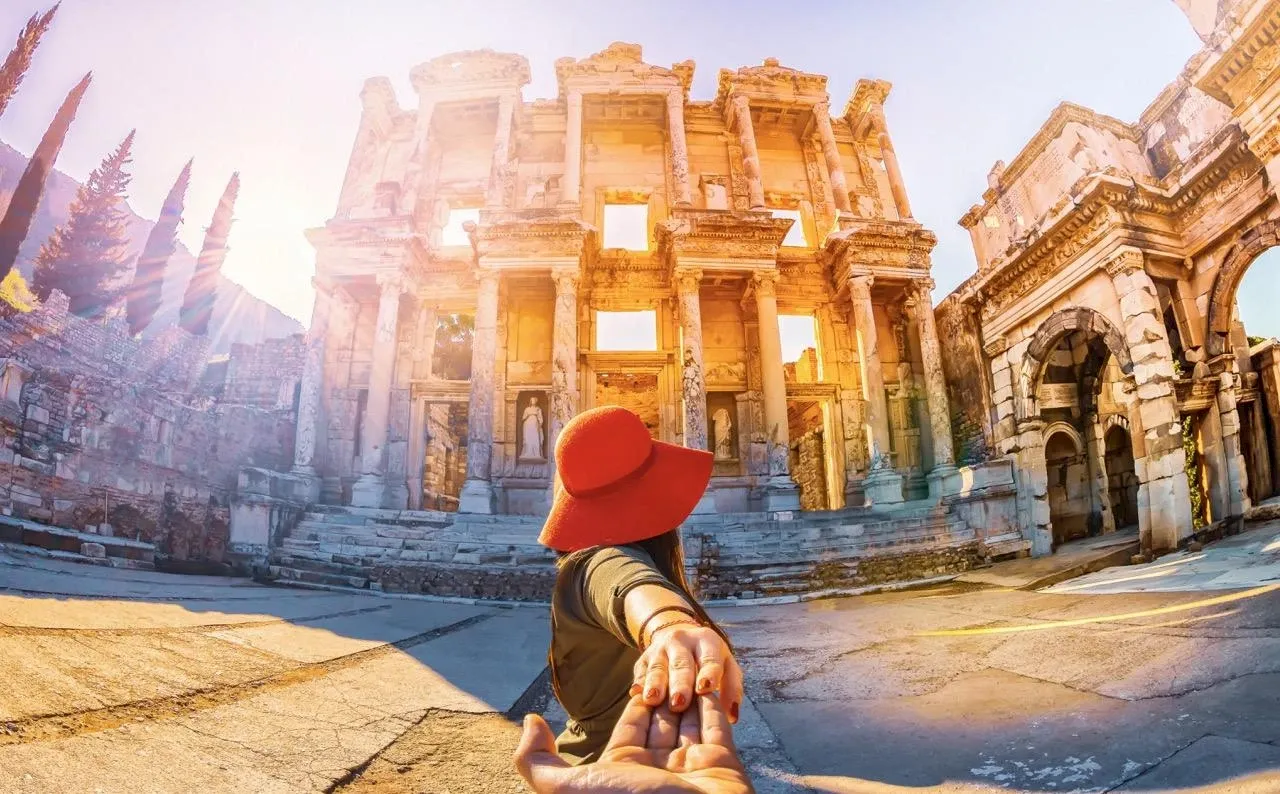
Ephesus, one of the most renowned ancient cities, located near modern-day Selçuk in Turkey’s Izmir Province, holds a rich history that spans thousands of years. From its founding as a Greek city to its rise as a key commercial center in the Roman Empire, Ephesus played a crucial role in the ancient Mediterranean world. As such, the city has been home to various forms of currency throughout its long and illustrious history. Visitors today often wonder: What was the currency in Ephesus, and what currency should I use when visiting this incredible archaeological site? In this comprehensive guide, we will explore both the ancient currencies used in Ephesus during its peak and the modern currency you’ll need when visiting the site today. We’ll discuss how money functioned in ancient Ephesus, what currency you should carry in 2024 when visiting Turkey, and practical tips for managing your money during your trip.
Table of Contents:
- Introduction to Ephesus: A City of Trade and Culture
- Ancient Currencies of Ephesus: A Glimpse into History
- The Role of Coinage in Ancient Ephesus
- What Currency Should You Use When Visiting Ephesus in 2024?
- How to Exchange Money for Your Trip to Ephesus
- Cash vs. Card: What’s Better for a Visit to Ephesus?
- Practical Tips for Managing Money While Visiting Ephesus
- Frequently Asked Questions
1. Introduction to Ephesus: A City of Trade and Culture
Ephesus, founded by Ionian Greeks in the 10th century BC, became one of the most important cities of the ancient Mediterranean. The city thrived under both Greek and Roman rule, developing into a major center for commerce, religion, and culture. It was particularly known for its magnificent Temple of Artemis, one of the Seven Wonders of the Ancient World, and its role as a hub of early Christianity. During its peak, Ephesus boasted a population of over 250,000 people, making it one of the largest cities of the Roman Empire. Trade was essential to Ephesus’ prosperity, and its currency played a key role in facilitating commerce across the Mediterranean. Understanding the evolution of currency in Ephesus gives us fascinating insights into how the city operated economically in ancient times.
2. Ancient Currencies of Ephesus: A Glimpse into History
Ancient Ephesus, like many cities in the Mediterranean, underwent various phases of currency development as political powers changed. Here are the key phases of coinage in Ephesus:
1. Greek Coinage in Ephesus (Pre-Roman Era)
During the Hellenistic period, when Ephesus was part of the Ionian League, the city minted its own coins. Greek cities were known for creating their own distinctive currency, which often featured symbols or deities associated with their local culture. In the case of Ephesus, the city’s coinage frequently bore images of Artemis, the city’s patron goddess, due to the prominence of the Temple of Artemis. The silver coin known as the drachma was the standard currency in Ephesus during the Greek period. The drachma had various denominations, and its value was based on weight, with silver being the most commonly used material for minting coins. Ephesian coins were traded widely across the Aegean and Mediterranean, serving as both a practical currency and a form of cultural diplomacy.
2. Roman Coinage in Ephesus
When Ephesus came under Roman rule in 133 BC, it became an important city within the Roman province of Asia. The Roman Empire standardized coinage across its vast territories, so Ephesus, like other cities, adopted the use of Roman coins. The most commonly used coinage during this period was the denarius, a silver coin widely circulated throughout the empire. The denarius featured images of Roman emperors and gods, reflecting the city’s integration into the Roman monetary system. In addition to the denarius, larger bronze coins called sestertii and smaller copper coins were also used in day-to-day transactions. Ephesus played a major role in minting coins for the empire, and Roman coins discovered at the archaeological site often feature the city’s symbols alongside imperial imagery.
3. Byzantine Coinage
As the Roman Empire transitioned into the Byzantine Empire, Ephesus remained a significant city. The Byzantine Empire introduced its own form of currency, which primarily included gold solidus coins. The solidus was highly valued and widely used throughout the Byzantine period, marking another chapter in the history of coinage in Ephesus. Coins from the Byzantine period often featured Christian imagery, reflecting the religious transformation of the city, which had become an important center for early Christianity.
3. The Role of Coinage in Ancient Ephesus
Currency in Ephesus wasn’t just a medium of exchange; it also served as a tool of political power and cultural identity. Coins minted in Ephesus featured iconic symbols such as the bee, a symbol of Artemis, and the deer, which were sacred to the goddess. These coins were a way for the city to assert its cultural and religious significance. Coins were used in a variety of transactions, from trade to religious offerings at the Temple of Artemis. Wealthy citizens often contributed coins to public works and religious ceremonies, and coins were also used in the city’s famous markets, where goods from across the Mediterranean were bought and sold.
4. What Currency Should You Use When Visiting Ephesus in 2024?
While exploring the ancient ruins of Ephesus today, you won’t be using the drachma or the denarius, but rather modern currency. The Turkish Lira (TRY) is the official currency of Turkey and the only form of legal tender accepted throughout the country, including at tourist attractions like Ephesus.
Why Turkish Lira Is Best
- Official Currency: The Turkish Lira is the official currency of Turkey, and all local businesses, markets, and transportation services will require payment in Lira.
- Best Value: While some tourist shops or hotels in places like Istanbul and Antalya might accept euros or U.S. dollars, using Turkish Lira ensures you get the best exchange rate and avoid the hassle of negotiating prices in foreign currencies.
- Accepted Everywhere: Whether you’re purchasing tickets to Ephesus, buying souvenirs at a local shop, or dining at a nearby restaurant, the Turkish Lira is universally accepted.
5. How to Exchange Money for Your Trip to Ephesus
When visiting Ephesus, you’ll need Turkish Lira for most transactions. Here are the best ways to exchange your money:
1. ATMs
ATMs are widely available throughout Turkey, including in Selçuk, the town closest to Ephesus. Most ATMs accept international debit and credit cards, and they offer the most competitive exchange rates.
- Tip: Use ATMs that belong to reputable Turkish banks to avoid high fees.
2. Currency Exchange Offices
Currency exchange offices, known as Döviz, are commonly found in cities and tourist areas. They offer reasonable rates for exchanging euros, U.S. dollars, and other foreign currencies into Turkish Lira.
- Tip: Avoid exchanging large sums of money at airports, as the rates tend to be less favorable than those in city centers.
3. Banks
Banks also offer currency exchange services but may have longer wait times compared to ATMs or exchange offices. If you prefer a secure exchange with a reputable institution, visiting a local bank can be a good option.
6. Cash vs. Card: What’s Better for a Visit to Ephesus?
Using Cash
Cash is essential for small purchases, such as entrance tickets, souvenirs, and snacks. Most local businesses and market vendors prefer cash, so it’s a good idea to have Turkish Lira on hand.
- When to Use It: Small purchases, local markets, taxis, and tipping.
- Currency: Turkish Lira is the preferred currency.
Using Cards
Credit and debit cards (Visa, Mastercard) are accepted at most hotels, restaurants, and larger shops in tourist areas. Contactless payment is becoming more common, especially in cities, but not all places in rural areas accept cards.
- When to Use It: Hotels, restaurants, and larger businesses in cities and tourist areas.
7. Practical Tips for Managing Money While Visiting Ephesus
1. Exchange a Small Amount Before You Arrive
It’s a good idea to exchange a small amount of Turkish Lira before you arrive in Turkey for immediate expenses such as transportation, tips, or snacks. You can exchange more money once you’re in Selçuk or a nearby city.
2. Avoid Airport Exchanges
Airport currency exchanges often have unfavorable rates. Instead, use ATMs or exchange offices in the city for better value.
3. Carry Cash for Smaller Transactions
While cards are accepted in many places, having cash on hand is essential for smaller purchases and local businesses that may not accept cards.
4. Use ATMs for the Best Rates
ATMs typically offer better exchange rates than currency exchange offices. Be sure to withdraw enough cash for your daily needs, especially if you’re visiting rural areas where ATMs may be less accessible.
8. Frequently Asked Questions
Q: What currency should I use when visiting Ephesus? A: The Turkish Lira (TRY) is the official currency and the best currency to use in Ephesus. Euros and U.S. dollars are occasionally accepted in some tourist shops or hotels, but using Lira will give you the best value. Q: Can I use euros or U.S. dollars in Ephesus? A: While some businesses in tourist areas may accept euros or U.S. dollars, it’s always better to carry Turkish Lira for everyday transactions. Q: Where can I exchange money in Turkey? A: You can exchange money at ATMs, currency exchange offices (Döviz), and banks. ATMs often offer the best exchange rates.
Conclusion
Ephesus, a city steeped in history, has seen the rise and fall of many empires and currencies. In ancient times, the city used a variety of coins, from the drachma during the Greek period to the denarius under Roman rule. Today, however, the Turkish Lira is the official currency of Turkey and the most practical form of money to use during your visit. Whether you’re purchasing tickets to see the ruins, buying souvenirs, or enjoying a meal in the nearby town of Selçuk, using Turkish Lira will ensure a smooth and cost-effective experience. By following the tips provided in this guide, you’ll be well-prepared to manage your money while exploring one of the most fascinating archaeological sites in the world. For more information on the Turkish Lira, visit Wikipedia’s page on the Turkish Lira.
Historical Background
The history of What is the currency in Ephesus? dates back to the early days of Ephesus. Archaeological evidence suggests that this aspect of Ephesian life played a crucial role in shaping the city's development and cultural identity.
Archaeological Discoveries
Recent excavations have unveiled remarkable findings related to What is the currency in Ephesus?. These discoveries provide valuable insights into how this aspect of Ephesian life evolved over time.
Cultural Significance
Understanding What is the currency in Ephesus? is crucial for appreciating the broader cultural context of ancient Ephesus. Its influence extended beyond the city walls, impacting trade, religion, and daily life.
Visitor Information
Today, visitors to Ephesus can explore the remnants of What is the currency in Ephesus? firsthand. This section provides practical information for making the most of your visit.
Preservation and Future
Ongoing conservation efforts ensure that What is the currency in Ephesus? remains preserved for future generations. Learn about the challenges and successes in maintaining this important historical site.
Frequently Asked Questions
What is the historical significance of What is the currency in Ephesus??
The What is the currency in Ephesus? holds great historical importance in ancient Ephesus, providing valuable insights into the city's cultural and social development.
What can visitors see related to What is the currency in Ephesus? today?
Visitors to Ephesus can explore well-preserved remains and artifacts related to What is the currency in Ephesus?, offering a glimpse into the ancient world.
When is the best time to visit What is the currency in Ephesus??
The best time to visit is during the spring (April-May) or autumn (September-October) when the weather is mild and crowds are smaller.
Frequently Asked Questions
What is the historical significance of What is the currency in Ephesus??
The What is the currency in Ephesus? holds great historical importance in ancient Ephesus, providing valuable insights into the city's cultural and social development.
What can visitors see related to What is the currency in Ephesus? today?
Visitors to Ephesus can explore well-preserved remains and artifacts related to What is the currency in Ephesus?, offering a glimpse into the ancient world.
When is the best time to visit What is the currency in Ephesus??
The best time to visit is during the spring (April-May) or autumn (September-October) when the weather is mild and crowds are smaller.
Frequently Asked Questions
What is the historical significance of What is the currency in Ephesus??
The What is the currency in Ephesus? holds great historical importance in ancient Ephesus, providing valuable insights into the city's cultural and social development.
What can visitors see related to What is the currency in Ephesus? today?
Visitors to Ephesus can explore well-preserved remains and artifacts related to What is the currency in Ephesus?, offering a glimpse into the ancient world.
When is the best time to visit What is the currency in Ephesus??
The best time to visit is during the spring (April-May) or autumn (September-October) when the weather is mild and crowds are smaller.