

What Was Ephesus Known For in Ancient Times?
Explore what Ephesus was known for in ancient times, including its significance as a trade center, religious hub, and cultural landmark. Discover the key features that made Ephesus one of the most important cities of the ancient world. Ephesus, one of the most prominent cities of the ancient world, was known for its strategic location, impressive architecture, and rich cultural heritage. From its role as a major trade hub to its religious significance, Ephesus left an indelible mark on history. This guide explores the key aspects that defined Ephesus in ancient times.
1. Strategic Trade Center
Location: Ephesus was strategically situated along major trade routes connecting the East and West. Its proximity to the coast and the Cayster River made it an essential port city for commerce.
Significance:
- Commercial Hub: The city served as a vital center for trade, attracting merchants from various regions, including Greece, Rome, and beyond. Goods such as textiles, spices, and agricultural products flowed through its markets.
- Economic Prosperity: Ephesus thrived economically due to its bustling marketplace and vibrant trade, contributing to its wealth and cultural development.
2. Religious Significance
Temple of Artemis: Ephesus was famously home to the Temple of Artemis, one of the Seven Wonders of the Ancient World.
Features:
- Dedication: The temple was dedicated to Artemis, the goddess of fertility, nature, and the hunt, and served as a significant religious site for worshippers.
- Pilgrimage Destination: The grandeur of the temple attracted pilgrims from across the region, making Ephesus a prominent center for worship and religious festivals.
3. Architectural Marvels
Ephesus was renowned for its stunning architecture, showcasing the ingenuity and artistic prowess of its builders.
Key Structures:
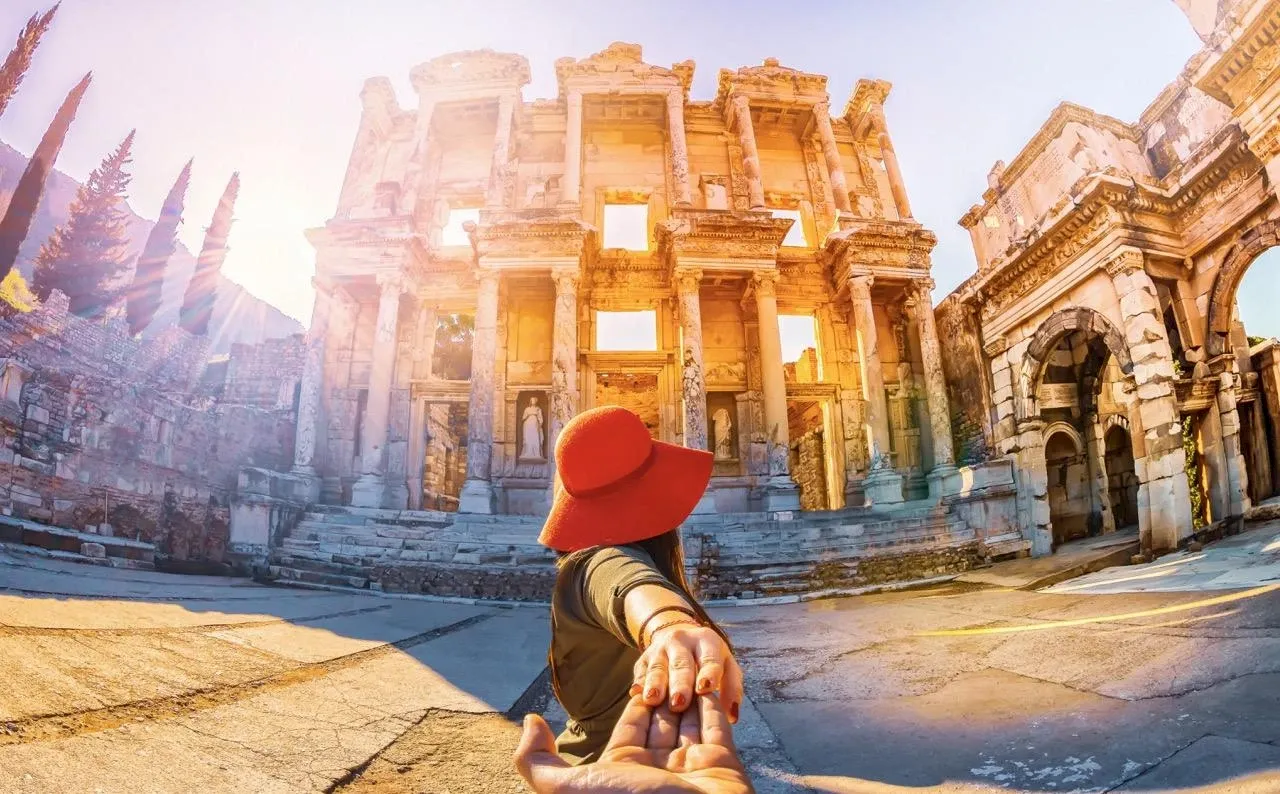
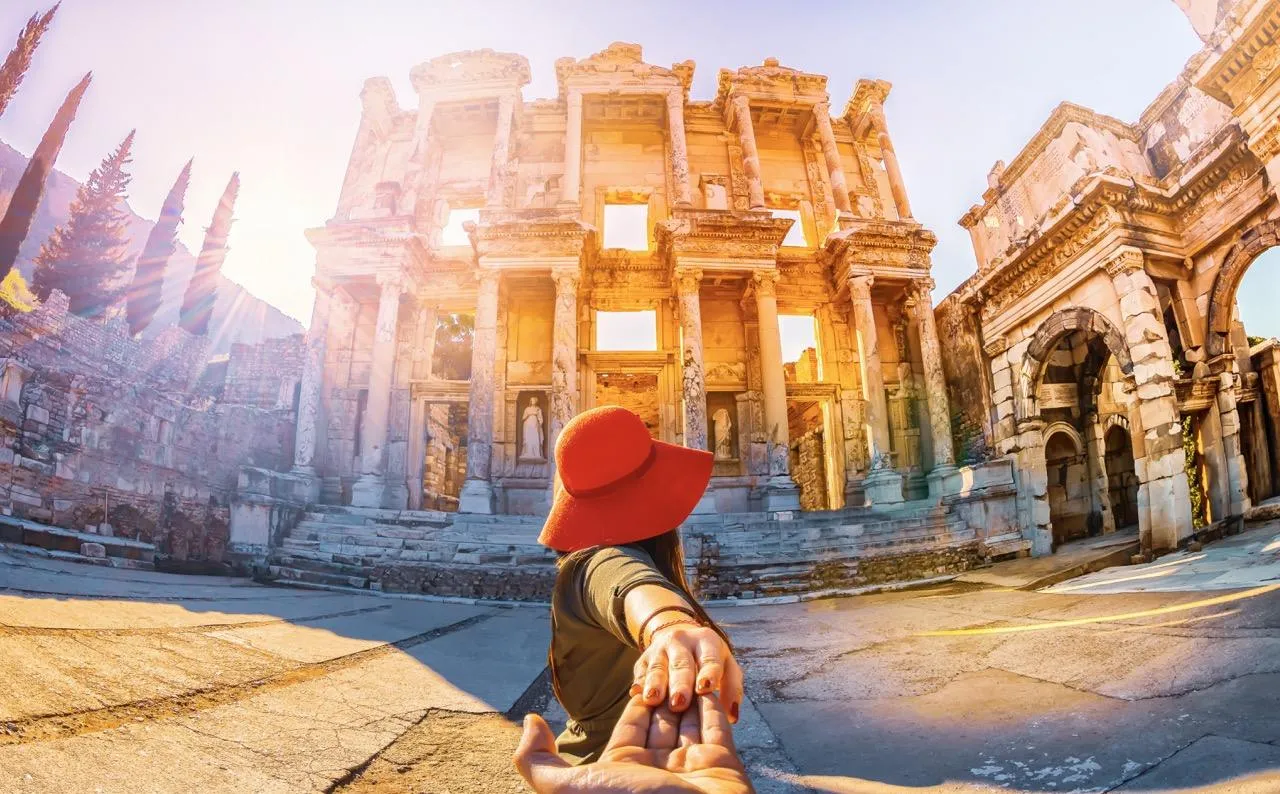
- Library of Celsus: Built in the 2nd century CE, this grand library was designed to hold thousands of scrolls and served as a monumental tomb for Tiberius Julius Celsus. Its impressive façade remains one of the most photographed landmarks in Ephesus.
- Great Theatre: Capable of seating around 25,000 spectators, this massive amphitheater hosted theatrical performances, gladiatorial contests, and public gatherings. Its remarkable acoustics and architectural design exemplified Roman engineering.
4. Cultural Hub
Ephesus was not only a center for trade and religion but also a vibrant cultural hub that fostered artistic and intellectual pursuits.
Notable Aspects:
- Philosophy and Education: The city attracted philosophers, scholars, and artists, contributing to its reputation as a center of learning. Educational institutions thrived, promoting philosophy, literature, and the arts.
- Theatrical Performances: The Great Theatre served as a venue for dramatic performances and cultural events, reflecting the importance of the arts in Ephesus’s society.
5. Historical Events
Ephesus played a significant role in various historical events that shaped the course of its history and the surrounding region.
Key Events:
- Apostle Paul: Ephesus is mentioned in the New Testament as a place where the Apostle Paul preached and established a Christian community. His letters to the Ephesians highlight the city’s early Christian significance.
- Council of Ephesus (431 CE): This ecumenical council addressed significant theological disputes and defined the role of Mary in Christian doctrine, further establishing Ephesus as a critical center of early Christianity.
6. Decline and Legacy
While Ephesus thrived for centuries, its decline began with the fall of the Roman Empire and the silting of its harbor, which affected its trade routes.
Legacy:
- Cultural Heritage: Today, Ephesus stands as a UNESCO World Heritage Site, preserving its historical and cultural legacy for future generations.
- Tourism: Ephesus attracts millions of visitors each year, drawn to its remarkable ruins and the stories they tell of a once-great civilization.
Conclusion
Ephesus was known for its strategic location, religious significance, architectural marvels, and vibrant cultural life in ancient times. As a major trade center and a hub for religious worship and intellectual pursuits, it played a crucial role in shaping the history of the region. The legacy of Ephesus continues to captivate and inspire those who explore its ancient ruins, offering a glimpse into the grandeur of the past and the enduring impact of this remarkable city.
Introduction
Discover the fascinating world of What Was Ephesus Known For in Ancient Times? in ancient Ephesus. This comprehensive guide explores the historical significance, archaeological findings, and cultural impact of this remarkable aspect of Ephesian heritage.
Historical Background
The history of What Was Ephesus Known For in Ancient Times? dates back to the early days of Ephesus. Archaeological evidence suggests that this aspect of Ephesian life played a crucial role in shaping the city's development and cultural identity.
Archaeological Discoveries
Recent excavations have unveiled remarkable findings related to What Was Ephesus Known For in Ancient Times?. These discoveries provide valuable insights into how this aspect of Ephesian life evolved over time.
Cultural Significance
Understanding What Was Ephesus Known For in Ancient Times? is crucial for appreciating the broader cultural context of ancient Ephesus. Its influence extended beyond the city walls, impacting trade, religion, and daily life.
Visitor Information
Today, visitors to Ephesus can explore the remnants of What Was Ephesus Known For in Ancient Times? firsthand. This section provides practical information for making the most of your visit.
Preservation and Future
Ongoing conservation efforts ensure that What Was Ephesus Known For in Ancient Times? remains preserved for future generations. Learn about the challenges and successes in maintaining this important historical site.
Frequently Asked Questions
What is the historical significance of What Was Ephesus Known For in Ancient Times??
The What Was Ephesus Known For in Ancient Times? holds great historical importance in ancient Ephesus, providing valuable insights into the city's cultural and social development.
What can visitors see related to What Was Ephesus Known For in Ancient Times? today?
Visitors to Ephesus can explore well-preserved remains and artifacts related to What Was Ephesus Known For in Ancient Times?, offering a glimpse into the ancient world.
When is the best time to visit What Was Ephesus Known For in Ancient Times??
The best time to visit is during the spring (April-May) or autumn (September-October) when the weather is mild and crowds are smaller.
Frequently Asked Questions
What is the historical significance of What Was Ephesus Known For in Ancient Times??
The What Was Ephesus Known For in Ancient Times? holds great historical importance in ancient Ephesus, providing valuable insights into the city's cultural and social development.
What can visitors see related to What Was Ephesus Known For in Ancient Times? today?
Visitors to Ephesus can explore well-preserved remains and artifacts related to What Was Ephesus Known For in Ancient Times?, offering a glimpse into the ancient world.
When is the best time to visit What Was Ephesus Known For in Ancient Times??
The best time to visit is during the spring (April-May) or autumn (September-October) when the weather is mild and crowds are smaller.
Frequently Asked Questions
What is the historical significance of What Was Ephesus Known For in Ancient Times??
The What Was Ephesus Known For in Ancient Times? holds great historical importance in ancient Ephesus, providing valuable insights into the city's cultural and social development.
What can visitors see related to What Was Ephesus Known For in Ancient Times? today?
Visitors to Ephesus can explore well-preserved remains and artifacts related to What Was Ephesus Known For in Ancient Times?, offering a glimpse into the ancient world.
When is the best time to visit What Was Ephesus Known For in Ancient Times??
The best time to visit is during the spring (April-May) or autumn (September-October) when the weather is mild and crowds are smaller.