

Where is Ephesus? A Geographical Guide to the Ancient City
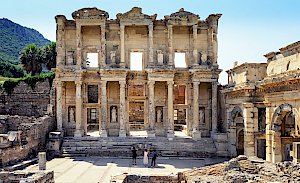
Discover the geographical location of Ephesus, Turkey, and explore its significance, surroundings, and how to reach this ancient city known for its remarkable ruins. Ephesus, an iconic ancient city, is located on the western coast of Turkey in the region known as Ionia. Once a thriving metropolis, Ephesus is renowned for its rich history, impressive architecture, and cultural significance. This geographical guide will provide insights into the location of Ephesus, its surroundings, and how to reach this remarkable archaeological site.
1. Geographic Location
Coordinates: Ephesus is situated at approximately 37.9479° N latitude and 27.3606° E longitude. Region:
- Ionia: Ephesus was one of the most prominent cities in ancient Ionia, an area known for its Greek heritage and cultural achievements.
- Province: Today, Ephesus is located within the borders of Izmir Province in Turkey.
Nearby Town:
- Selçuk: The modern town of Selçuk is located just 3 kilometers (1.9 miles) from the ancient ruins of Ephesus. It serves as the primary base for visitors exploring the site and offers various accommodations and dining options.
2. Historical Context
Ephesus was founded as a Greek city and later flourished under Roman rule, becoming one of the largest cities in the ancient world. Its strategic location along major trade routes contributed to its growth and prominence. The nearby harbor (now silted) allowed for maritime trade, linking Ephesus to other significant cities in the Mediterranean and beyond.
3. Surrounding Landscape
Topography:
- Hills and Mountains: Ephesus is nestled between the Curetes and Bülbül Mountains, providing a picturesque backdrop. These hills offer panoramic views of the ancient city and surrounding landscapes.
- Meandering River: The Cayster River (Küçük Menderes) flows near Ephesus, historically contributing to the city’s trade and agriculture. However, due to silting, the river no longer reaches the coast, affecting the city’s maritime activities.
4. Climate
Ephesus experiences a Mediterranean climate, characterized by:
- Hot, Dry Summers: Summers can be sweltering, with temperatures often exceeding 30°C (86°F). This makes early morning or late afternoon the best times for exploration.
- Mild, Wet Winters: Winters are mild and relatively wet, with temperatures ranging from 6°C to 15°C (43°F to 59°F), making it a comfortable season for visits.
5. Accessibility
How to Reach Ephesus:
- By Air: The nearest major airport is Izmir Adnan Menderes Airport (ADB), located about 60 kilometers (37 miles) from Ephesus. From the airport, visitors can take a bus or rent a car to reach Selçuk.
- By Train: Trains run frequently from Izmir to Selçuk Station, providing an affordable and convenient option for travelers. The journey takes approximately 1.5 hours.
- By Bus: Buses also connect Izmir to Selçuk, with a similar travel time of around 1.5 hours. The bus station in Selçuk is close to the entrance of Ephesus.
- By Car: Renting a car offers flexibility, allowing visitors to explore the surrounding region. The drive from Izmir to Ephesus takes about 1 hour via the D550/E87 highway.
6. Nearby Attractions
While visiting Ephesus, consider exploring these nearby attractions:
- House of the Virgin Mary: Located on Mount Koressos, this site is believed to be the last residence of Mary, mother of Jesus.
- Basilica of St. John: Situated in Selçuk, this basilica was built over the burial site of John the Apostle and features impressive ruins.
- Temple of Artemis: Although only remnants remain, the site of this ancient temple is significant and worth visiting.
- Selçuk Museum: The museum showcases artifacts from Ephesus and the surrounding region, providing context to the ancient city’s history.
Conclusion
Ephesus is a remarkable geographical and historical site, nestled along Turkey’s western coast. Its strategic location, rich cultural heritage, and proximity to the town of Selçuk make it an accessible and significant destination for travelers. By understanding its geographical context, visitors can better appreciate the ancient city’s importance and enjoy a more enriching experience while exploring its stunning ruins and surroundings. Whether you're interested in history, architecture, or simply enjoying the beautiful landscape, Ephesus offers a unique journey through time.
Introduction
Discover the fascinating world of Where is Ephesus? A Geographical Guide to the Ancient City in ancient Ephesus. This comprehensive guide explores the historical significance, archaeological findings, and cultural impact of this remarkable aspect of Ephesian heritage.
Historical Background
The history of Where is Ephesus? A Geographical Guide to the Ancient City dates back to the early days of Ephesus. Archaeological evidence suggests that this aspect of Ephesian life played a crucial role in shaping the city's development and cultural identity.
Archaeological Discoveries
Recent excavations have unveiled remarkable findings related to Where is Ephesus? A Geographical Guide to the Ancient City. These discoveries provide valuable insights into how this aspect of Ephesian life evolved over time.
Cultural Significance
Understanding Where is Ephesus? A Geographical Guide to the Ancient City is crucial for appreciating the broader cultural context of ancient Ephesus. Its influence extended beyond the city walls, impacting trade, religion, and daily life.
Visitor Information
Today, visitors to Ephesus can explore the remnants of Where is Ephesus? A Geographical Guide to the Ancient City firsthand. This section provides practical information for making the most of your visit.
Preservation and Future
Ongoing conservation efforts ensure that Where is Ephesus? A Geographical Guide to the Ancient City remains preserved for future generations. Learn about the challenges and successes in maintaining this important historical site.
Frequently Asked Questions
What is the historical significance of Where is Ephesus? A Geographical Guide to the Ancient City?
The Where is Ephesus? A Geographical Guide to the Ancient City holds great historical importance in ancient Ephesus, providing valuable insights into the city's cultural and social development.
What can visitors see related to Where is Ephesus? A Geographical Guide to the Ancient City today?
Visitors to Ephesus can explore well-preserved remains and artifacts related to Where is Ephesus? A Geographical Guide to the Ancient City, offering a glimpse into the ancient world.
When is the best time to visit Where is Ephesus? A Geographical Guide to the Ancient City?
The best time to visit is during the spring (April-May) or autumn (September-October) when the weather is mild and crowds are smaller.
Frequently Asked Questions
What is the historical significance of Where is Ephesus? A Geographical Guide to the Ancient City?
The Where is Ephesus? A Geographical Guide to the Ancient City holds great historical importance in ancient Ephesus, providing valuable insights into the city's cultural and social development.
What can visitors see related to Where is Ephesus? A Geographical Guide to the Ancient City today?
Visitors to Ephesus can explore well-preserved remains and artifacts related to Where is Ephesus? A Geographical Guide to the Ancient City, offering a glimpse into the ancient world.
When is the best time to visit Where is Ephesus? A Geographical Guide to the Ancient City?
The best time to visit is during the spring (April-May) or autumn (September-October) when the weather is mild and crowds are smaller.
Frequently Asked Questions
What is the historical significance of Where is Ephesus? A Geographical Guide to the Ancient City?
The Where is Ephesus? A Geographical Guide to the Ancient City holds great historical importance in ancient Ephesus, providing valuable insights into the city's cultural and social development.
What can visitors see related to Where is Ephesus? A Geographical Guide to the Ancient City today?
Visitors to Ephesus can explore well-preserved remains and artifacts related to Where is Ephesus? A Geographical Guide to the Ancient City, offering a glimpse into the ancient world.
When is the best time to visit Where is Ephesus? A Geographical Guide to the Ancient City?
The best time to visit is during the spring (April-May) or autumn (September-October) when the weather is mild and crowds are smaller.