
Saronia’s Journey: Love, Power, and Faith in Ancient Ep...
Saronia’s Journey: Love, Power, and Faith in Ancient Ephesus
In the vibrant city of Ephesus, where grand temples and marketplaces teemed with life, Saronia’s story unfolds—a tale intertwined with love, power, and unwavering faith. As a Sidonian slave who came to Ephesus, Saronia’s journey reflects the complex weave of personal strength and spirituality against a backdrop of ancient grandeur.
The City of Ephesus: Center of Faith and Power
Ephesus was more than a city; it was a place where diverse cultures and religions met. Dominated by the magnificent Temple of Artemis, also known as Diana, Ephesus was both a center of worship and a battleground for spiritual power. The temple attracted pilgrims, mystics, and those seeking the goddess’s protection, providing refuge and sanctuary in times of need. For Saronia, it became a place where she would explore the depths of her faith and strength.
Saronia’s Spiritual Awakening
The tale of Saronia is one of transformation. Originally serving as a slave to the Roman matron Venusta, she was drawn to the Temple of Artemis. Her relationship with the goddess became central to her identity, giving her purpose beyond servitude. She believed Artemis, known as the Queen of Heaven, embodied the spirit of Ashtoreth, whom she had worshipped as a child in Sidon. Through sacred rites and her devotion to the goddess, Saronia found solace and strength. Her faith was not without challenges—her spiritual awakening led her to confront both her Roman masters and the jealous rivalries within Ephesus, including the disdain of her mistress, Nika. Yet, Saronia’s inner power blossomed as she devoted herself to the goddess, finding peace in the temple’s sanctuary.
The Power of Love and Rivalry
Love and jealousy fuel much of the tension in Saronia’s journey. Nika, who harbored resentment toward Saronia, was threatened by her grace and the admiration she commanded from others. Chios, a Greek, admired Saronia’s beauty and spirit, further aggravating Nika’s animosity. Their rivalry highlighted the complexities of love in a city where personal desire often clashed with social expectations and hierarchies. Saronia’s love was not confined to romantic interest but extended to a higher spiritual love for the goddess. Her devotion to Artemis became a source of empowerment, setting her apart from the life of a mere slave. In Ephesus, she grew to embody both a fierce independence and a deep reverence for the goddess, symbolizing the union of love, faith, and power.
Faith and Sanctuary
Ephesus was not only a place of worship but also a sanctuary. For those like Saronia, who sought refuge from oppression, the temple represented a safe haven. As she sought protection within its sacred walls, Saronia found not only a place of shelter but a path toward freedom. Her faith in Artemis, coupled with the rituals and practices of the temple, brought her closer to the goddess’s divine power, guiding her through her trials.
The Legacy of Saronia in Ephesus
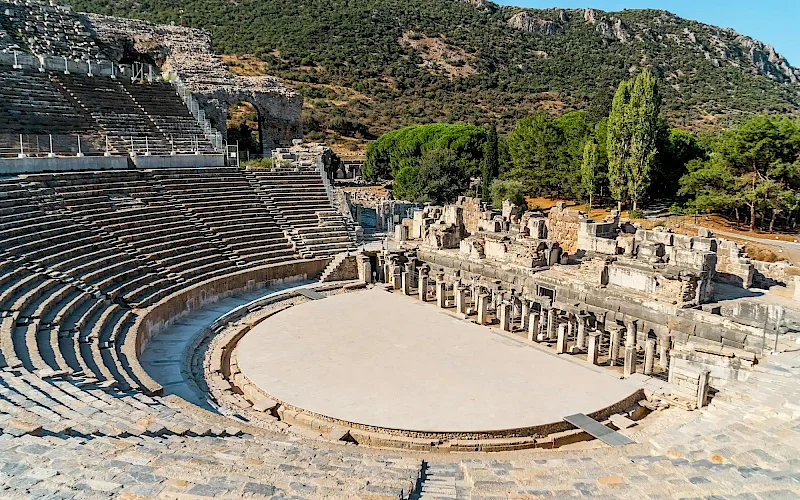
Saronia’s story remains a powerful reminder of the resilience and transformative power of faith. Today, as visitors walk through the ruins of Ephesus, they are reminded of the city’s spiritual heritage and the ancient figures who found strength within its walls. Saronia’s journey captures the timeless themes of love, faith, and power, inspiring those who seek deeper meaning in their own lives. For those interested in learning more about the fascinating history of Ephesus and the Temple of Artemis, visit the Wikipedia page on Ephesus to explore its legacy as one of the most important cities of the ancient world.
Introduction
Discover the fascinating world of Saronia’s Journey: Love, Power, and Faith in Ancient Ep... in ancient Ephesus. This comprehensive guide explores the historical significance, archaeological findings, and cultural impact of this remarkable aspect of Ephesian heritage.
Historical Background
The history of Saronia’s Journey: Love, Power, and Faith in Ancient Ep... dates back to the early days of Ephesus. Archaeological evidence suggests that this aspect of Ephesian life played a crucial role in shaping the city's development and cultural identity.
Archaeological Discoveries
Recent excavations have unveiled remarkable findings related to Saronia’s Journey: Love, Power, and Faith in Ancient Ep.... These discoveries provide valuable insights into how this aspect of Ephesian life evolved over time.
Cultural Significance
Understanding Saronia’s Journey: Love, Power, and Faith in Ancient Ep... is crucial for appreciating the broader cultural context of ancient Ephesus. Its influence extended beyond the city walls, impacting trade, religion, and daily life.
Visitor Information
Today, visitors to Ephesus can explore the remnants of Saronia’s Journey: Love, Power, and Faith in Ancient Ep... firsthand. This section provides practical information for making the most of your visit.
Preservation and Future
Ongoing conservation efforts ensure that Saronia’s Journey: Love, Power, and Faith in Ancient Ep... remains preserved for future generations. Learn about the challenges and successes in maintaining this important historical site.
Frequently Asked Questions
What is the historical significance of Saronia’s Journey: Love, Power, and Faith in Ancient Ep...?
The Saronia’s Journey: Love, Power, and Faith in Ancient Ep... holds great historical importance in ancient Ephesus, providing valuable insights into the city's cultural and social development.
What can visitors see related to Saronia’s Journey: Love, Power, and Faith in Ancient Ep... today?
Visitors to Ephesus can explore well-preserved remains and artifacts related to Saronia’s Journey: Love, Power, and Faith in Ancient Ep..., offering a glimpse into the ancient world.
When is the best time to visit Saronia’s Journey: Love, Power, and Faith in Ancient Ep...?
The best time to visit is during the spring (April-May) or autumn (September-October) when the weather is mild and crowds are smaller.
Frequently Asked Questions
What is the historical significance of Saronia’s Journey: Love, Power, and Faith in Ancient Ep...?
The Saronia’s Journey: Love, Power, and Faith in Ancient Ep... holds great historical importance in ancient Ephesus, providing valuable insights into the city's cultural and social development.
What can visitors see related to Saronia’s Journey: Love, Power, and Faith in Ancient Ep... today?
Visitors to Ephesus can explore well-preserved remains and artifacts related to Saronia’s Journey: Love, Power, and Faith in Ancient Ep..., offering a glimpse into the ancient world.
When is the best time to visit Saronia’s Journey: Love, Power, and Faith in Ancient Ep...?
The best time to visit is during the spring (April-May) or autumn (September-October) when the weather is mild and crowds are smaller.
Frequently Asked Questions
What is the historical significance of Saronia’s Journey: Love, Power, and Faith in Ancient Ep...?
The Saronia’s Journey: Love, Power, and Faith in Ancient Ep... holds great historical importance in ancient Ephesus, providing valuable insights into the city's cultural and social development.
What can visitors see related to Saronia’s Journey: Love, Power, and Faith in Ancient Ep... today?
Visitors to Ephesus can explore well-preserved remains and artifacts related to Saronia’s Journey: Love, Power, and Faith in Ancient Ep..., offering a glimpse into the ancient world.
When is the best time to visit Saronia’s Journey: Love, Power, and Faith in Ancient Ep...?
The best time to visit is during the spring (April-May) or autumn (September-October) when the weather is mild and crowds are smaller.