

Ephesus Through the Eyes of Myth: The Influence of Artemis
The city of Ephesus was deeply intertwined with the myths and legends of Artemis, its patron goddess. Known as the goddess of the hunt, wilderness, and fertility, Artemis held a unique position in Ephesian society. Through her divine presence and influence, she shaped the cultural, spiritual, and social landscape of the city. The stories and myths surrounding Artemis were more than just tales; they were a living part of Ephesus, guiding the beliefs and actions of its people. Here’s a look at the influence of Artemis on Ephesus as seen through the lens of myth.
The Mythical Origins of Artemis’s Temple
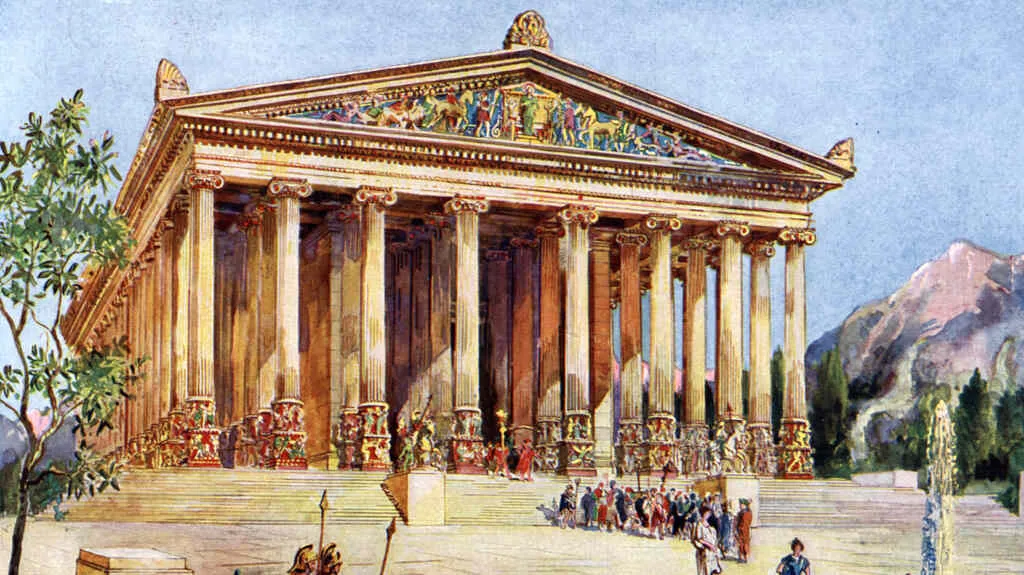
According to legend, the location of the Temple of Artemis was chosen by the goddess herself. Early settlers sought guidance from oracles, who proclaimed that Artemis had designated a sacred site for her temple. This mystical origin story imbued the temple with a sense of divine purpose and established Artemis as the city’s spiritual protector. Her presence was thought to sanctify the land, and the temple became a focal point of worship, attracting pilgrims from across the Mediterranean who sought blessings from the goddess. The temple’s legendary status grew over the centuries, becoming one of the Seven Wonders of the Ancient World. Its architecture and grandeur were said to reflect the divine beauty of Artemis, drawing people to Ephesus to witness the marvels of her sanctuary.
Artemis: Guardian of Ephesus
In Ephesian mythology, Artemis was revered as a powerful guardian who watched over the city and its people. Stories told of her defending Ephesus from natural disasters and invaders, using her divine power to protect those under her care. This image of Artemis as a protective force reinforced the people’s devotion to her, making her an essential figure in the city’s cultural identity. The myths often depicted Artemis with symbols of fertility, such as multiple breasts, representing her role as a nurturing mother figure. Her association with the cycles of nature and life further emphasized her influence over Ephesus, where she was believed to bless the land with abundance and prosperity.
The Festival of Artemis: Celebrating Myth and Devotion
One of the most important events in Ephesus was the annual festival of Artemis, a time when the city came alive with celebrations honoring the goddess. According to myth, the festival was initiated by Artemis herself, who delighted in the music, dancing, and offerings made by her followers. The festival included elaborate processions, athletic contests, and sacrifices, all conducted in her honor. During the festival, citizens and visitors celebrated Artemis’s connection to nature, fertility, and protection. It was a time for the community to unite, express gratitude, and reaffirm their devotion. The festival reinforced the cultural and spiritual importance of Artemis in Ephesus, highlighting the city’s reliance on her guidance and blessings.
Artemis and the Natural World
Mythologically, Artemis was associated with wild animals, forests, and the natural world, aspects that were reflected in the life of Ephesus. The Ephesians saw their goddess as a bridge between the city and the surrounding landscape, and her influence encouraged a harmonious relationship with nature. Artemis was believed to roam the nearby forests and hills, protecting both the city and its wildlife. Her myths inspired the people of Ephesus to respect the natural environment, honoring her by preserving the lands she watched over. This connection to nature also made Artemis a goddess of fertility and growth, and the Ephesians turned to her in times of drought, poor harvests, or illness. Her ability to bring forth life and abundance was celebrated in the myths and rituals of Ephesus, establishing her as a central figure in the city’s spiritual life.
The Enduring Influence of Artemis’s Myths
Though centuries have passed, the myths of Artemis remain a vital part of Ephesus’s heritage. Her influence can still be felt among the ruins of her temple, where visitors experience the remnants of a time when the goddess was a living presence in the city. The stories of Artemis and her role in Ephesus continue to captivate modern audiences, inspiring reverence for a goddess who once guided the lives of the city’s people. For further information on Artemis and her role in Ephesus, visit the Wikipedia page on Artemis. To explore the sacred sites of Ephesus and learn more about its rich mythological history, consider Ephesus Tours, where guides bring the ancient myths to life.
Introduction
Discover the fascinating world of Ephesus Through the Eyes of Myth: The Influence of Artemis in ancient Ephesus. This comprehensive guide explores the historical significance, archaeological findings, and cultural impact of this remarkable aspect of Ephesian heritage.
Historical Background
The history of Ephesus Through the Eyes of Myth: The Influence of Artemis dates back to the early days of Ephesus. Archaeological evidence suggests that this aspect of Ephesian life played a crucial role in shaping the city's development and cultural identity.
Archaeological Discoveries
Recent excavations have unveiled remarkable findings related to Ephesus Through the Eyes of Myth: The Influence of Artemis. These discoveries provide valuable insights into how this aspect of Ephesian life evolved over time.
Cultural Significance
Understanding Ephesus Through the Eyes of Myth: The Influence of Artemis is crucial for appreciating the broader cultural context of ancient Ephesus. Its influence extended beyond the city walls, impacting trade, religion, and daily life.
Visitor Information
Today, visitors to Ephesus can explore the remnants of Ephesus Through the Eyes of Myth: The Influence of Artemis firsthand. This section provides practical information for making the most of your visit.
Preservation and Future
Ongoing conservation efforts ensure that Ephesus Through the Eyes of Myth: The Influence of Artemis remains preserved for future generations. Learn about the challenges and successes in maintaining this important historical site.
Frequently Asked Questions
What is the historical significance of Ephesus Through the Eyes of Myth: The Influence of Artemis?
The Ephesus Through the Eyes of Myth: The Influence of Artemis holds great historical importance in ancient Ephesus, providing valuable insights into the city's cultural and social development.
What can visitors see related to Ephesus Through the Eyes of Myth: The Influence of Artemis today?
Visitors to Ephesus can explore well-preserved remains and artifacts related to Ephesus Through the Eyes of Myth: The Influence of Artemis, offering a glimpse into the ancient world.
When is the best time to visit Ephesus Through the Eyes of Myth: The Influence of Artemis?
The best time to visit is during the spring (April-May) or autumn (September-October) when the weather is mild and crowds are smaller.
Frequently Asked Questions
What is the historical significance of Ephesus Through the Eyes of Myth: The Influence of Artemis?
The Ephesus Through the Eyes of Myth: The Influence of Artemis holds great historical importance in ancient Ephesus, providing valuable insights into the city's cultural and social development.
What can visitors see related to Ephesus Through the Eyes of Myth: The Influence of Artemis today?
Visitors to Ephesus can explore well-preserved remains and artifacts related to Ephesus Through the Eyes of Myth: The Influence of Artemis, offering a glimpse into the ancient world.
When is the best time to visit Ephesus Through the Eyes of Myth: The Influence of Artemis?
The best time to visit is during the spring (April-May) or autumn (September-October) when the weather is mild and crowds are smaller.
Frequently Asked Questions
What is the historical significance of Ephesus Through the Eyes of Myth: The Influence of Artemis?
The Ephesus Through the Eyes of Myth: The Influence of Artemis holds great historical importance in ancient Ephesus, providing valuable insights into the city's cultural and social development.
What can visitors see related to Ephesus Through the Eyes of Myth: The Influence of Artemis today?
Visitors to Ephesus can explore well-preserved remains and artifacts related to Ephesus Through the Eyes of Myth: The Influence of Artemis, offering a glimpse into the ancient world.
When is the best time to visit Ephesus Through the Eyes of Myth: The Influence of Artemis?
The best time to visit is during the spring (April-May) or autumn (September-October) when the weather is mild and crowds are smaller.