

Exploring the Legends Surrounding Artemis in Ephesus
In Ephesus, Artemis was not only a goddess of the hunt but also a symbol of fertility, protection, and mystical power. The myths and legends surrounding Artemis shaped the cultural identity of Ephesus and made the city a center of worship for centuries. Known as the “Mother of Ephesus,” Artemis’s influence extended beyond her role as a deity; she was an integral part of the city’s daily life, rituals, and festivals. Here are some of the key legends that highlight the significance of Artemis in Ephesus.
The Founding of the Temple of Artemis
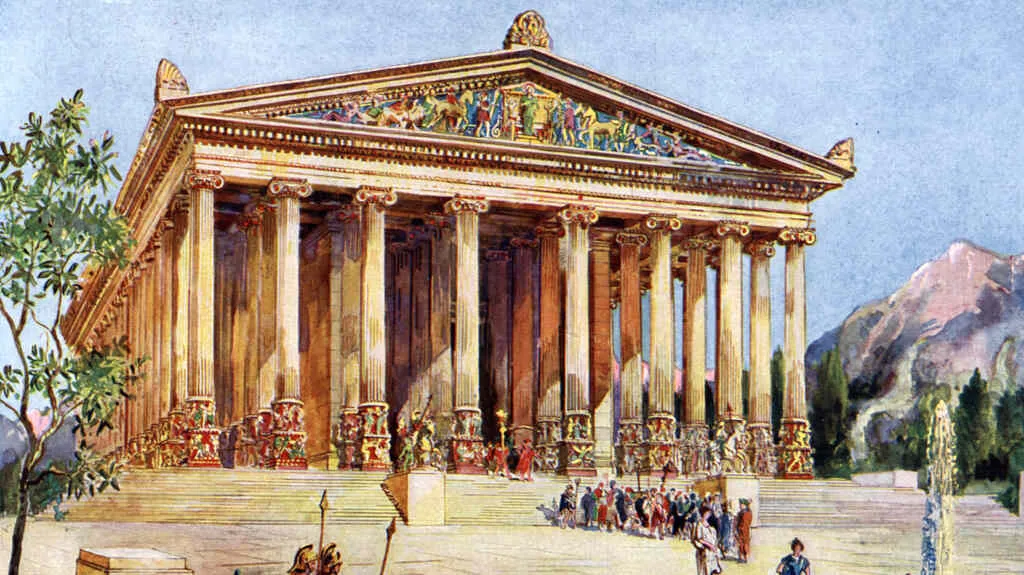
Legend has it that the Temple of Artemis was built on land chosen by the goddess herself. According to ancient oracles, Artemis revealed the location for her sanctuary, guiding the people of Ephesus to construct a grand temple in her honor. The temple, one of the Seven Wonders of the Ancient World, was built on marshy ground to protect it from earthquakes—a decision that some believed was influenced by the goddess’s divine wisdom. The Temple of Artemis became a site of pilgrimage for worshippers from all over the Mediterranean, who sought blessings, healing, and protection from the goddess. The temple’s legendary origins and its architectural splendor reflected the devotion of the Ephesians and reinforced Artemis’s status as the city’s patroness.
Artemis as a Protector and Healer
In Ephesus, Artemis was revered for her powers of protection and healing. Myths told of her ability to shield the city from harm, and the Ephesians believed that she watched over their well-being. One legend recounts how Artemis defended Ephesus against a foreign invasion, using her divine powers to create an impenetrable barrier around the city. This tale reinforced her role as a guardian of Ephesus, endearing her to the people who looked to her for safety. Artemis’s healing powers were also central to her worship in Ephesus. Pilgrims traveled to the Temple of Artemis to seek cures for illnesses and blessings for fertility. Rituals performed in the goddess’s honor were believed to bring relief from ailments and ensure successful childbirth, making Artemis a vital figure in the health and prosperity of Ephesians.
The Festival of Artemis: A Celebration of Life and Nature
One of the most important annual events in Ephesus was the Festival of Artemis, a celebration that attracted visitors from far and wide. The festival included processions, sacrifices, music, and athletic contests, all in honor of the goddess. During these celebrations, the city would come alive with people who danced, feasted, and prayed, expressing their devotion to Artemis. According to legend, the festival was not only a celebration of Artemis’s powers but also a renewal of the city’s connection to nature. As the goddess of the wilderness, Artemis embodied the cycles of life, growth, and renewal, and the festival honored these aspects by celebrating the abundance of the natural world.
The Mystery of the Ephesian Artemis
The image of Artemis in Ephesus was unlike that of any other Greek city. Depicted with multiple breasts, she symbolized fertility, nurturing, and abundance. This unique representation led to legends surrounding her origins, with some stories suggesting that she was an ancient Anatolian mother goddess adopted by the Greeks. This distinct portrayal of Artemis added to her mystical allure and reinforced her role as a life-giver and protector. The mysteries surrounding the Ephesian Artemis drew scholars, travelers, and worshippers who were fascinated by her unique attributes. Her statue in the temple became a focal point of devotion, and her likeness appeared on coins, pottery, and other objects, reflecting her pervasive influence throughout the city.
The Legacy of Artemis in Ephesus
Although the Temple of Artemis now stands in ruins, the legends surrounding the goddess continue to captivate modern visitors. Artemis remains a symbol of Ephesus’s rich cultural heritage and its role as a center of worship in the ancient world. Exploring the stories of Artemis in Ephesus reveals a world where gods and mortals coexisted, and where the divine influenced every aspect of daily life. For more on the story of Artemis, visit the Wikipedia page on Artemis. To explore the sacred sites of Ephesus and delve into the myths that shaped this ancient city, consider Ephesus Tours, where expert guides bring the legends of Artemis to life.
Introduction
Discover the fascinating world of Exploring the Legends Surrounding Artemis in Ephesus in ancient Ephesus. This comprehensive guide explores the historical significance, archaeological findings, and cultural impact of this remarkable aspect of Ephesian heritage.
Historical Background
The history of Exploring the Legends Surrounding Artemis in Ephesus dates back to the early days of Ephesus. Archaeological evidence suggests that this aspect of Ephesian life played a crucial role in shaping the city's development and cultural identity.
Archaeological Discoveries
Recent excavations have unveiled remarkable findings related to Exploring the Legends Surrounding Artemis in Ephesus. These discoveries provide valuable insights into how this aspect of Ephesian life evolved over time.
Cultural Significance
Understanding Exploring the Legends Surrounding Artemis in Ephesus is crucial for appreciating the broader cultural context of ancient Ephesus. Its influence extended beyond the city walls, impacting trade, religion, and daily life.
Visitor Information
Today, visitors to Ephesus can explore the remnants of Exploring the Legends Surrounding Artemis in Ephesus firsthand. This section provides practical information for making the most of your visit.
Preservation and Future
Ongoing conservation efforts ensure that Exploring the Legends Surrounding Artemis in Ephesus remains preserved for future generations. Learn about the challenges and successes in maintaining this important historical site.
Frequently Asked Questions
What is the historical significance of Exploring the Legends Surrounding Artemis in Ephesus?
The Exploring the Legends Surrounding Artemis in Ephesus holds great historical importance in ancient Ephesus, providing valuable insights into the city's cultural and social development.
What can visitors see related to Exploring the Legends Surrounding Artemis in Ephesus today?
Visitors to Ephesus can explore well-preserved remains and artifacts related to Exploring the Legends Surrounding Artemis in Ephesus, offering a glimpse into the ancient world.
When is the best time to visit Exploring the Legends Surrounding Artemis in Ephesus?
The best time to visit is during the spring (April-May) or autumn (September-October) when the weather is mild and crowds are smaller.
Frequently Asked Questions
What is the historical significance of Exploring the Legends Surrounding Artemis in Ephesus?
The Exploring the Legends Surrounding Artemis in Ephesus holds great historical importance in ancient Ephesus, providing valuable insights into the city's cultural and social development.
What can visitors see related to Exploring the Legends Surrounding Artemis in Ephesus today?
Visitors to Ephesus can explore well-preserved remains and artifacts related to Exploring the Legends Surrounding Artemis in Ephesus, offering a glimpse into the ancient world.
When is the best time to visit Exploring the Legends Surrounding Artemis in Ephesus?
The best time to visit is during the spring (April-May) or autumn (September-October) when the weather is mild and crowds are smaller.
Frequently Asked Questions
What is the historical significance of Exploring the Legends Surrounding Artemis in Ephesus?
The Exploring the Legends Surrounding Artemis in Ephesus holds great historical importance in ancient Ephesus, providing valuable insights into the city's cultural and social development.
What can visitors see related to Exploring the Legends Surrounding Artemis in Ephesus today?
Visitors to Ephesus can explore well-preserved remains and artifacts related to Exploring the Legends Surrounding Artemis in Ephesus, offering a glimpse into the ancient world.
When is the best time to visit Exploring the Legends Surrounding Artemis in Ephesus?
The best time to visit is during the spring (April-May) or autumn (September-October) when the weather is mild and crowds are smaller.