

Finding Sanctuary: The Role of Refuge in Ephesus' Temple ...
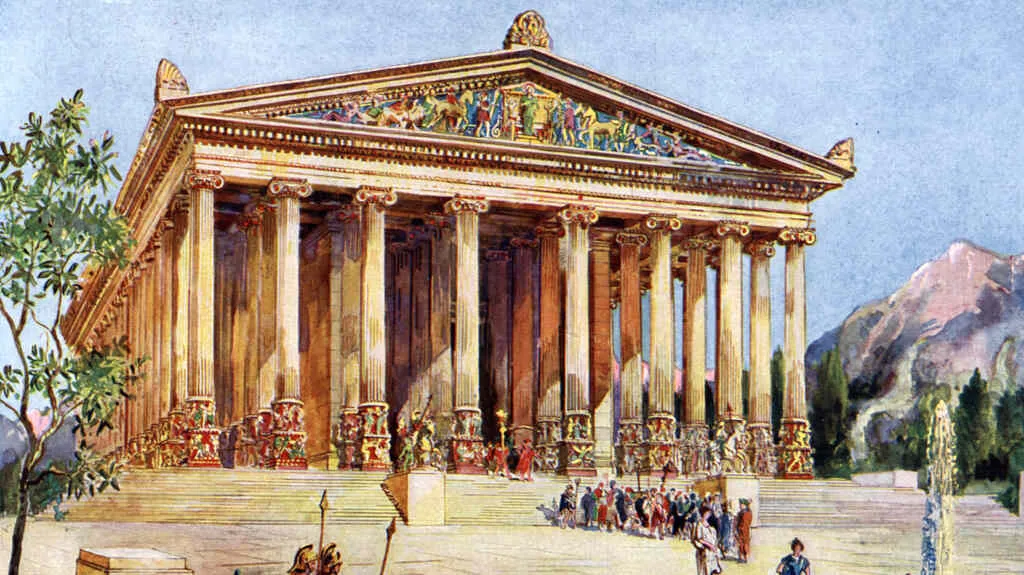
The Temple of Artemis in Ephesus, one of the ancient world’s most revered religious sites, was not only a place of worship but also a sanctuary for those seeking refuge. As a center of devotion to Artemis—the goddess of fertility, nature, and protection—the temple offered a safe haven for individuals in need, including those escaping persecution or seeking protection from harm. The temple’s role as a sanctuary underscored Artemis’s influence in Ephesus, where her followers believed in her power to shelter and protect. Here’s a look at the ways in which the Temple of Artemis provided refuge and how it shaped the cultural and spiritual life of the city.
The Concept of Sanctuary in the Ancient World
In ancient times, temples often served as places of asylum, where people could seek safety under the protection of the gods. The Temple of Artemis was no exception, with its status as a sanctuary enshrined in both local custom and imperial decrees. The Ephesians believed that Artemis, as a nurturing and powerful goddess, had the ability to shield the vulnerable and those in distress. Her temple became a sanctuary where people could escape danger, reflecting the belief that divine protection extended to all who entered sacred ground. Those who sought refuge in the temple ranged from criminals and debtors to political refugees. The protection offered by the temple was respected by the local authorities, who recognized the spiritual significance of Artemis’s sanctuary and refrained from pursuing individuals who had claimed asylum within its walls.
A Place of Safety and Healing
The Temple of Artemis was not only a place for legal sanctuary but also a site of spiritual refuge, where the sick, the grieving, and the persecuted could find solace. Pilgrims traveled to the temple to seek Artemis’s blessings for healing, fertility, and protection. Rituals performed by the temple priestesses provided comfort to those in need, reinforcing the temple’s role as a source of strength and renewal. The temple grounds included sacred groves and springs, where visitors could pray, reflect, and feel the presence of Artemis. This connection to nature was believed to enhance the healing powers of the goddess, making the temple a place where individuals could restore both body and spirit. In this way, the temple served as a sanctuary for the soul, offering a sense of peace to those who sought Artemis’s care.
Protection Under the Goddess’s Watch
Artemis was revered as a protector, not only of nature and wildlife but also of those who were vulnerable or oppressed. The Ephesians saw her as a powerful guardian who could provide safety and justice for those who had nowhere else to turn. The temple’s role as a sanctuary reinforced Artemis’s image as a compassionate and just deity, willing to intervene on behalf of her followers. This protective aspect of Artemis extended beyond the physical temple, as the Ephesians believed that her influence reached throughout the city. Stories of Artemis sheltering those in need became part of the city’s lore, further endearing her to the people of Ephesus and strengthening their devotion.
The Decline of the Sanctuary Tradition
With the rise of Christianity and the decline of pagan practices in Ephesus, the tradition of seeking sanctuary at the Temple of Artemis gradually faded. The temple was ultimately abandoned, and its stones repurposed for other buildings. However, the legacy of the temple’s role as a place of refuge endures as part of Ephesus’s rich history. The stories of those who found shelter under the protection of Artemis continue to resonate, reminding us of the temple’s significance as a sanctuary in the ancient world. Today, the ruins of the Temple of Artemis stand as a testament to a time when the goddess’s sanctuary offered hope and protection to those in need. For visitors to Ephesus, the site serves as a reminder of the enduring human need for sanctuary—a safe haven in a world that can often be unpredictable and challenging. For more about the Temple of Artemis and its history, visit the Wikipedia page on the Temple of Artemis. To experience the ancient city of Ephesus, consider Ephesus Tours, where guides bring the stories and history of Ephesus and its sacred sites to life.
Introduction
Discover the fascinating world of Finding Sanctuary: The Role of Refuge in Ephesus' Temple ... in ancient Ephesus. This comprehensive guide explores the historical significance, archaeological findings, and cultural impact of this remarkable aspect of Ephesian heritage.
Historical Background
The history of Finding Sanctuary: The Role of Refuge in Ephesus' Temple ... dates back to the early days of Ephesus. Archaeological evidence suggests that this aspect of Ephesian life played a crucial role in shaping the city's development and cultural identity.
Archaeological Discoveries
Recent excavations have unveiled remarkable findings related to Finding Sanctuary: The Role of Refuge in Ephesus' Temple .... These discoveries provide valuable insights into how this aspect of Ephesian life evolved over time.
Cultural Significance
Understanding Finding Sanctuary: The Role of Refuge in Ephesus' Temple ... is crucial for appreciating the broader cultural context of ancient Ephesus. Its influence extended beyond the city walls, impacting trade, religion, and daily life.
Visitor Information
Today, visitors to Ephesus can explore the remnants of Finding Sanctuary: The Role of Refuge in Ephesus' Temple ... firsthand. This section provides practical information for making the most of your visit.
Preservation and Future
Ongoing conservation efforts ensure that Finding Sanctuary: The Role of Refuge in Ephesus' Temple ... remains preserved for future generations. Learn about the challenges and successes in maintaining this important historical site.
Frequently Asked Questions
What is the historical significance of Finding Sanctuary: The Role of Refuge in Ephesus' Temple ...?
The Finding Sanctuary: The Role of Refuge in Ephesus' Temple ... holds great historical importance in ancient Ephesus, providing valuable insights into the city's cultural and social development.
What can visitors see related to Finding Sanctuary: The Role of Refuge in Ephesus' Temple ... today?
Visitors to Ephesus can explore well-preserved remains and artifacts related to Finding Sanctuary: The Role of Refuge in Ephesus' Temple ..., offering a glimpse into the ancient world.
When is the best time to visit Finding Sanctuary: The Role of Refuge in Ephesus' Temple ...?
The best time to visit is during the spring (April-May) or autumn (September-October) when the weather is mild and crowds are smaller.
Frequently Asked Questions
What is the historical significance of Finding Sanctuary: The Role of Refuge in Ephesus' Temple ...?
The Finding Sanctuary: The Role of Refuge in Ephesus' Temple ... holds great historical importance in ancient Ephesus, providing valuable insights into the city's cultural and social development.
What can visitors see related to Finding Sanctuary: The Role of Refuge in Ephesus' Temple ... today?
Visitors to Ephesus can explore well-preserved remains and artifacts related to Finding Sanctuary: The Role of Refuge in Ephesus' Temple ..., offering a glimpse into the ancient world.
When is the best time to visit Finding Sanctuary: The Role of Refuge in Ephesus' Temple ...?
The best time to visit is during the spring (April-May) or autumn (September-October) when the weather is mild and crowds are smaller.
Frequently Asked Questions
What is the historical significance of Finding Sanctuary: The Role of Refuge in Ephesus' Temple ...?
The Finding Sanctuary: The Role of Refuge in Ephesus' Temple ... holds great historical importance in ancient Ephesus, providing valuable insights into the city's cultural and social development.
What can visitors see related to Finding Sanctuary: The Role of Refuge in Ephesus' Temple ... today?
Visitors to Ephesus can explore well-preserved remains and artifacts related to Finding Sanctuary: The Role of Refuge in Ephesus' Temple ..., offering a glimpse into the ancient world.
When is the best time to visit Finding Sanctuary: The Role of Refuge in Ephesus' Temple ...?
The best time to visit is during the spring (April-May) or autumn (September-October) when the weather is mild and crowds are smaller.