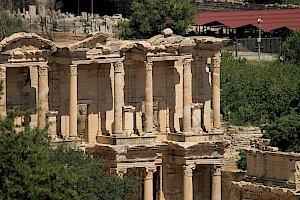


The Great Theatre of Ephesus: Where Art and History Converge
The Great Theatre of Ephesus is a marvel of ancient architecture and a testament to the cultural vibrancy of a city that was once among the most influential in the Mediterranean. This grand theatre, which could seat up to 24,000 people, was not only a venue for entertainment but also a place where the city’s citizens came together for religious ceremonies, public debates, and celebrations. Today, the Great Theatre stands as a remarkable convergence of art, history, and community.
1. A Masterpiece of Ancient Architecture
Built into the western slope of Mount Pion, the Great Theatre is a stunning example of Hellenistic and Roman engineering. Its semi-circular design, tiered seating, and remarkable acoustics allowed for optimal sound projection, enabling actors to be heard by spectators seated in the farthest rows. The theatre was originally constructed during the Hellenistic period and later expanded under Roman rule, reflecting the city’s growth and its flourishing public life. The theatre’s stage building, or skene, featured elaborate columns, friezes, and statues that added depth and grandeur to the performances. Behind the stage, a decorative façade with intricate reliefs and towering columns provided a stunning backdrop. These architectural elements, combined with the theatre’s sheer scale, make the Great Theatre one of the most impressive remnants of ancient Ephesus.
2. Cultural and Civic Significance
More than just a venue for entertainment, the Great Theatre played an essential role in Ephesian society. Citizens gathered here for a variety of purposes, from watching dramatic performances to participating in political assemblies. The Apostle Paul famously addressed the crowd in this theatre, where he preached to a largely pagan audience, sparking a considerable uproar among those who felt threatened by his message. The theatre was also used for important city events, such as the annual Artemisia festival, which celebrated the goddess Artemis. This festival included religious processions, music, and theatrical performances, underscoring the theatre’s role as a space where civic and spiritual life intersected. The theatre symbolized the unity of the community, serving as a place for both celebration and collective decision-making.
3. Entertainment and Social Life in Ancient Ephesus
The people of Ephesus valued entertainment, and the theatre provided a space for citizens to enjoy a variety of performances. Greek tragedies, Roman comedies, and even gladiatorial games were staged here, offering a mix of intellectual and thrilling spectacles. Actors used elaborate costumes and masks, and the audience was often deeply engaged, reacting vocally to the unfolding drama. Gladiatorial contests, which took place in the orchestra area, were among the theatre’s most popular events. These contests were fierce and captivating, drawing large crowds who came to cheer for their favorite fighters. The theatre’s dual use for dramatic and athletic performances reflects the diverse interests of Ephesian society and their appreciation for the arts and physical prowess.
4. The Legacy of the Great Theatre
Today, the Great Theatre is one of Ephesus’ most well-preserved and visited structures, offering insight into the city’s cultural and social dynamics. It stands as a reminder of the artistry and innovation of ancient architects who designed spaces that brought communities together. Visitors can walk through the theatre’s tiers and envision the bustling gatherings that once filled its seats. Modern concerts and events are occasionally held in the theatre, reviving its legacy as a venue for communal gathering and artistic expression. The Great Theatre serves as a testament to the enduring power of art, history, and the human desire for shared experiences, reminding us that Ephesus was once a city where art and life were seamlessly woven together. Conclusion The Great Theatre of Ephesus is more than an ancient ruin; it is a window into the past, where the threads of art, history, and community converge. Through its architecture and its role in public life, the theatre continues to inspire awe and wonder, drawing visitors from around the world. As we explore its majestic ruins, we connect with the generations who sat in these seats, experiencing the timeless appeal of entertainment, civic life, and the shared human experience.
For additional information on the history and cultural significance of Ephesus, visit the Wikipedia page on Ephesus.
Introduction
Discover the fascinating world of The Great Theatre of Ephesus: Where Art and History Converge in ancient Ephesus. This comprehensive guide explores the historical significance, archaeological findings, and cultural impact of this remarkable aspect of Ephesian heritage.
Historical Background
The history of The Great Theatre of Ephesus: Where Art and History Converge dates back to the early days of Ephesus. Archaeological evidence suggests that this aspect of Ephesian life played a crucial role in shaping the city's development and cultural identity.
Archaeological Discoveries
Recent excavations have unveiled remarkable findings related to The Great Theatre of Ephesus: Where Art and History Converge. These discoveries provide valuable insights into how this aspect of Ephesian life evolved over time.
Cultural Significance
Understanding The Great Theatre of Ephesus: Where Art and History Converge is crucial for appreciating the broader cultural context of ancient Ephesus. Its influence extended beyond the city walls, impacting trade, religion, and daily life.
Visitor Information
Today, visitors to Ephesus can explore the remnants of The Great Theatre of Ephesus: Where Art and History Converge firsthand. This section provides practical information for making the most of your visit.
Preservation and Future
Ongoing conservation efforts ensure that The Great Theatre of Ephesus: Where Art and History Converge remains preserved for future generations. Learn about the challenges and successes in maintaining this important historical site.
Frequently Asked Questions
What is the historical significance of The Great Theatre of Ephesus: Where Art and History Converge?
The The Great Theatre of Ephesus: Where Art and History Converge holds great historical importance in ancient Ephesus, providing valuable insights into the city's cultural and social development.
What can visitors see related to The Great Theatre of Ephesus: Where Art and History Converge today?
Visitors to Ephesus can explore well-preserved remains and artifacts related to The Great Theatre of Ephesus: Where Art and History Converge, offering a glimpse into the ancient world.
When is the best time to visit The Great Theatre of Ephesus: Where Art and History Converge?
The best time to visit is during the spring (April-May) or autumn (September-October) when the weather is mild and crowds are smaller.
Frequently Asked Questions
What is the historical significance of The Great Theatre of Ephesus: Where Art and History Converge?
The The Great Theatre of Ephesus: Where Art and History Converge holds great historical importance in ancient Ephesus, providing valuable insights into the city's cultural and social development.
What can visitors see related to The Great Theatre of Ephesus: Where Art and History Converge today?
Visitors to Ephesus can explore well-preserved remains and artifacts related to The Great Theatre of Ephesus: Where Art and History Converge, offering a glimpse into the ancient world.
When is the best time to visit The Great Theatre of Ephesus: Where Art and History Converge?
The best time to visit is during the spring (April-May) or autumn (September-October) when the weather is mild and crowds are smaller.
Frequently Asked Questions
What is the historical significance of The Great Theatre of Ephesus: Where Art and History Converge?
The The Great Theatre of Ephesus: Where Art and History Converge holds great historical importance in ancient Ephesus, providing valuable insights into the city's cultural and social development.
What can visitors see related to The Great Theatre of Ephesus: Where Art and History Converge today?
Visitors to Ephesus can explore well-preserved remains and artifacts related to The Great Theatre of Ephesus: Where Art and History Converge, offering a glimpse into the ancient world.
When is the best time to visit The Great Theatre of Ephesus: Where Art and History Converge?
The best time to visit is during the spring (April-May) or autumn (September-October) when the weather is mild and crowds are smaller.