

The Pagan Roots of Ephesus: Worship of Artemis
Ephesus was deeply rooted in pagan religion, with the worship of Artemis, the Greek goddess of the hunt, fertility, and nature, playing a central role in its spiritual life. The Temple of Artemis, built around 550 BC, was one of the largest temples in the ancient world and attracted pilgrims from across the Mediterranean.
- The Temple of Artemis: Standing as a symbol of wealth and religious devotion, the temple was a massive structure with over 120 columns, each 60 feet tall. It was considered one of the most magnificent buildings of its time and played a central role in the city’s identity until it was destroyed by Herostratus in 356 BC and later during a Gothic invasion in 262 AD.
For more information on visiting the remains of this ancient wonder, check out Ephesus Tours.
The Shift to Christianity: The Apostle Paul’s Mission
By the time of the 1st century AD, Ephesus had become an important center for Christianity, largely due to the efforts of the Apostle Paul. Paul's missionary work in the city is described in Acts 19, where he spent over two years preaching to the Ephesians and establishing a Christian community.
- The Book of Ephesians: One of Paul's epistles, The Book of Ephesians, was written to the church in Ephesus, emphasizing the themes of unity, faith, and salvation. Ephesus is also mentioned in the Book of Revelation as one of the Seven Churches of Asia, highlighting its importance in early Christianity.
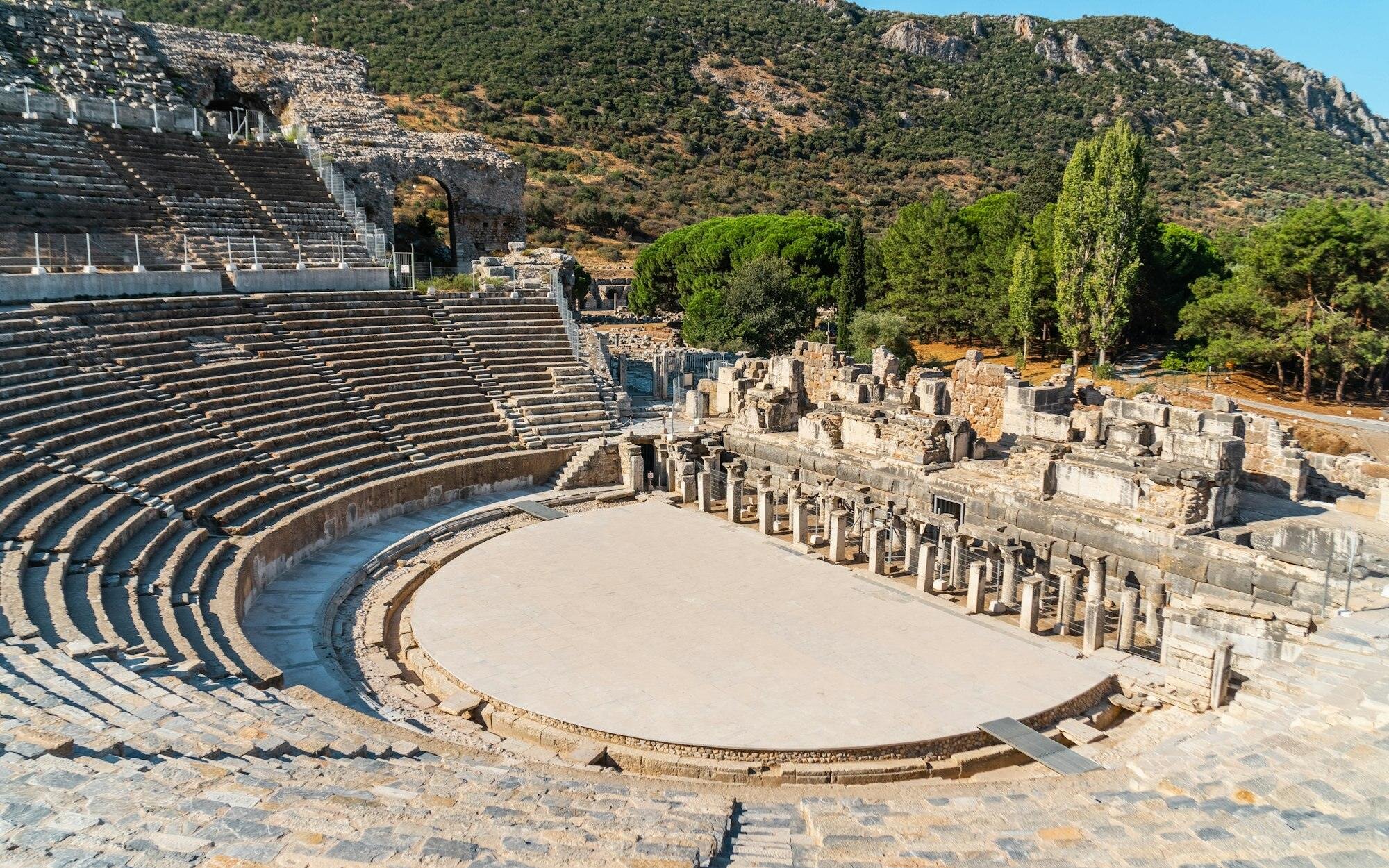
- The Riot of Ephesus: As Paul's message spread, it caused unrest among the locals, particularly the craftsmen who made idols of Artemis. This led to the famous Riot of Ephesus, where a large crowd gathered in the Great Theatre to protest Paul's teachings.
The Spread of Early Christianity
After Paul's departure, Ephesus continued to grow as a center for Christianity. The city became a key location for theological debates and councils, including the Council of Ephesus in 431 AD, which declared Mary as Theotokos (Mother of God). The Basilica of St. John, built in the 6th century, marks the traditional burial place of John the Apostle, further cementing Ephesus’s role in the spread of Christianity.
The House of the Virgin Mary
One of the most important Christian pilgrimage sites in Ephesus today is the House of the Virgin Mary. According to Christian tradition, Mary, the mother of Jesus, lived in Ephesus under the care of John the Apostle after the crucifixion. The site, located on Mount Koressos, attracts pilgrims from around the world and is a testament to the enduring Christian heritage of Ephesus.
- The House of the Virgin Mary: Discovered in the 19th century, this small, stone house is believed to be Mary’s final home. The Catholic Church has designated it as a place of pilgrimage, and it remains a peaceful sanctuary for visitors.
Religious Pilgrimage in Ephesus Today
Today, Ephesus remains a significant site for religious pilgrimage, attracting both Christians and those interested in ancient pagan history. The ruins of the Temple of Artemis, the Basilica of St. John, and the House of the Virgin Mary offer a unique blend of the city’s religious history.
For guided religious tours, including visits to the Basilica of St. John and the House of the Virgin Mary, visit Ephesus Tours.
Conclusion
Ephesus stands as a testament to the evolution of religion in the ancient world, from the worship of Artemis to the spread of Christianity. Its religious significance continues to draw visitors from around the globe, offering insights into both pagan and Christian heritage.
For more information on tours and visiting religious sites in Ephesus, visit Ephesus Tours.
Introduction
Discover the fascinating world of The Pagan Roots of Ephesus: Worship of Artemis in ancient Ephesus. This comprehensive guide explores the historical significance, archaeological findings, and cultural impact of this remarkable aspect of Ephesian heritage.
Historical Background
The history of The Pagan Roots of Ephesus: Worship of Artemis dates back to the early days of Ephesus. Archaeological evidence suggests that this aspect of Ephesian life played a crucial role in shaping the city's development and cultural identity.
Archaeological Discoveries
Recent excavations have unveiled remarkable findings related to The Pagan Roots of Ephesus: Worship of Artemis. These discoveries provide valuable insights into how this aspect of Ephesian life evolved over time.
Cultural Significance
Understanding The Pagan Roots of Ephesus: Worship of Artemis is crucial for appreciating the broader cultural context of ancient Ephesus. Its influence extended beyond the city walls, impacting trade, religion, and daily life.
Visitor Information
Today, visitors to Ephesus can explore the remnants of The Pagan Roots of Ephesus: Worship of Artemis firsthand. This section provides practical information for making the most of your visit.
Preservation and Future
Ongoing conservation efforts ensure that The Pagan Roots of Ephesus: Worship of Artemis remains preserved for future generations. Learn about the challenges and successes in maintaining this important historical site.
Frequently Asked Questions
What is the historical significance of The Pagan Roots of Ephesus: Worship of Artemis?
The The Pagan Roots of Ephesus: Worship of Artemis holds great historical importance in ancient Ephesus, providing valuable insights into the city's cultural and social development.
What can visitors see related to The Pagan Roots of Ephesus: Worship of Artemis today?
Visitors to Ephesus can explore well-preserved remains and artifacts related to The Pagan Roots of Ephesus: Worship of Artemis, offering a glimpse into the ancient world.
When is the best time to visit The Pagan Roots of Ephesus: Worship of Artemis?
The best time to visit is during the spring (April-May) or autumn (September-October) when the weather is mild and crowds are smaller.
Frequently Asked Questions
What is the historical significance of The Pagan Roots of Ephesus: Worship of Artemis?
The The Pagan Roots of Ephesus: Worship of Artemis holds great historical importance in ancient Ephesus, providing valuable insights into the city's cultural and social development.
What can visitors see related to The Pagan Roots of Ephesus: Worship of Artemis today?
Visitors to Ephesus can explore well-preserved remains and artifacts related to The Pagan Roots of Ephesus: Worship of Artemis, offering a glimpse into the ancient world.
When is the best time to visit The Pagan Roots of Ephesus: Worship of Artemis?
The best time to visit is during the spring (April-May) or autumn (September-October) when the weather is mild and crowds are smaller.
Frequently Asked Questions
What is the historical significance of The Pagan Roots of Ephesus: Worship of Artemis?
The The Pagan Roots of Ephesus: Worship of Artemis holds great historical importance in ancient Ephesus, providing valuable insights into the city's cultural and social development.
What can visitors see related to The Pagan Roots of Ephesus: Worship of Artemis today?
Visitors to Ephesus can explore well-preserved remains and artifacts related to The Pagan Roots of Ephesus: Worship of Artemis, offering a glimpse into the ancient world.
When is the best time to visit The Pagan Roots of Ephesus: Worship of Artemis?
The best time to visit is during the spring (April-May) or autumn (September-October) when the weather is mild and crowds are smaller.