

What to Wear to Ephesus: Dress Code for Visitors
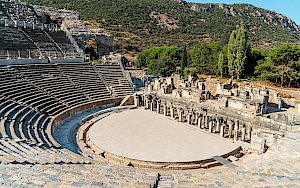
Planning a trip to Ephesus? Here’s what to wear for a comfortable and respectful visit, plus tips for dressing appropriately in this ancient city. When visiting Ephesus, you’ll be exploring one of the most well-preserved ancient cities in the world, with extensive ruins, historic landmarks, and archaeological marvels. While there is no official dress code, it’s essential to dress comfortably and consider the climate, terrain, and cultural context to ensure a pleasant visit. Here’s a guide on what to wear to Ephesus, with tips for staying comfortable and respecting the significance of the site.
Practical Clothing Tips for Exploring Ephesus
Ephesus is an open-air site with uneven stone pathways, limited shade, and plenty of walking. Dressing appropriately will make your experience much more enjoyable.
1. Wear Comfortable, Sturdy Shoes
- Why: The ancient streets of Ephesus are paved with stone and marble, which can be slippery and uneven.
- Recommendation: Opt for comfortable, closed-toe shoes with good traction, like sneakers or hiking sandals. Avoid flip-flops or shoes with thin soles, as they may not provide enough support on rough surfaces.
2. Choose Breathable, Lightweight Clothing
- Why: Ephesus can get hot, especially during the summer months, and there is limited shade across the site.
- Recommendation: Wear lightweight, breathable fabrics such as cotton, linen, or moisture-wicking materials. Loose-fitting T-shirts, blouses, and shorts or light pants are ideal. In summer, light-colored clothing can help keep you cooler under the sun.
3. Bring Sun Protection
- Why: The site is exposed to direct sunlight, and even during spring and autumn, UV exposure can be strong.
- Recommendation: Bring sunglasses, a wide-brimmed hat, and sunscreen to protect yourself from the sun. If you’re sensitive to sunlight, consider wearing a light, long-sleeve shirt for added coverage.
Modesty and Cultural Considerations
While Ephesus is primarily an archaeological site and does not require strict modesty, Turkey is a culturally respectful country, and it’s good practice to dress conservatively, especially if you plan to visit nearby religious sites, like the House of the Virgin Mary or Basilica of St. John.
Suggested Attire for Ephesus:
- Tops: Short-sleeve or long-sleeve shirts, T-shirts, and blouses are all appropriate. Avoid overly revealing tops, such as crop tops or low-cut tank tops, to show respect for the cultural setting.
- Bottoms: Shorts, capris, or lightweight pants are comfortable and acceptable. If you’re visiting nearby religious sites, choose longer shorts or lightweight pants, as some sites may request modest clothing.
- Layering: Bring a light scarf or shawl to cover your shoulders or legs if needed. This is particularly useful if you decide to visit religious sites where more coverage may be required.
Seasonal Dressing Tips
To ensure comfort, it’s essential to dress according to the season. Ephesus can experience a range of temperatures throughout the year:
Summer (June to August)
- Attire: Choose cool, breathable clothing, such as T-shirts, shorts, or light dresses.
- Essentials: Sun protection is crucial. Wear a hat, sunglasses, and apply sunscreen. Bring a refillable water bottle to stay hydrated.
Spring (April to May) and Autumn (September to October)
- Attire: Mild temperatures make it comfortable to wear a T-shirt with shorts or pants. A light jacket or sweater is handy for early mornings or cooler afternoons.
- Essentials: Bring a light jacket that you can easily carry. These seasons are ideal for exploring as temperatures are comfortable and crowds are smaller.
Winter (November to March)
- Attire: Wear layers to stay warm, including a light jacket, long-sleeve shirt, and pants. The winter months are cooler, with the possibility of rain.
- Essentials: A waterproof jacket is a good idea in case of rain, and shoes with good traction are recommended as wet stone pathways can become slippery.
What to Bring Along
In addition to dressing comfortably, bringing a few essentials can make your visit even more enjoyable:
- Small Backpack: Carry a lightweight backpack to hold your water bottle, sunscreen, camera, guidebook, and any personal items.
- Water Bottle: Staying hydrated is essential, especially on warm days. Ephesus is a large site, and water fountains are limited.
- Camera: There are countless photo opportunities at Ephesus, so don’t forget your camera or smartphone to capture the stunning ruins and landscapes.
- Portable Fan: If visiting during summer, a small handheld or battery-operated fan can be a lifesaver in the heat.
- Sunscreen and Bug Spray: Sunscreen is a must, and bug spray can be helpful, especially if you’re visiting during the early morning or late afternoon when insects are more active.
Conclusion
Ephesus is a walkable, open-air site that requires comfortable and practical attire for the best experience. By wearing breathable clothing, sturdy shoes, and sun protection, you’ll be well-prepared to explore this remarkable ancient city. Whether you’re visiting in the height of summer or the cooler winter months, dressing appropriately will help you fully appreciate the beauty and history of Ephesus while staying comfortable and respectful.
Introduction
Discover the fascinating world of What to Wear to Ephesus: Dress Code for Visitors in ancient Ephesus. This comprehensive guide explores the historical significance, archaeological findings, and cultural impact of this remarkable aspect of Ephesian heritage.
Historical Background
The history of What to Wear to Ephesus: Dress Code for Visitors dates back to the early days of Ephesus. Archaeological evidence suggests that this aspect of Ephesian life played a crucial role in shaping the city's development and cultural identity.
Archaeological Discoveries
Recent excavations have unveiled remarkable findings related to What to Wear to Ephesus: Dress Code for Visitors. These discoveries provide valuable insights into how this aspect of Ephesian life evolved over time.
Cultural Significance
Understanding What to Wear to Ephesus: Dress Code for Visitors is crucial for appreciating the broader cultural context of ancient Ephesus. Its influence extended beyond the city walls, impacting trade, religion, and daily life.
Visitor Information
Today, visitors to Ephesus can explore the remnants of What to Wear to Ephesus: Dress Code for Visitors firsthand. This section provides practical information for making the most of your visit.
Preservation and Future
Ongoing conservation efforts ensure that What to Wear to Ephesus: Dress Code for Visitors remains preserved for future generations. Learn about the challenges and successes in maintaining this important historical site.
Frequently Asked Questions
What is the historical significance of What to Wear to Ephesus: Dress Code for Visitors?
The What to Wear to Ephesus: Dress Code for Visitors holds great historical importance in ancient Ephesus, providing valuable insights into the city's cultural and social development.
What can visitors see related to What to Wear to Ephesus: Dress Code for Visitors today?
Visitors to Ephesus can explore well-preserved remains and artifacts related to What to Wear to Ephesus: Dress Code for Visitors, offering a glimpse into the ancient world.
When is the best time to visit What to Wear to Ephesus: Dress Code for Visitors?
The best time to visit is during the spring (April-May) or autumn (September-October) when the weather is mild and crowds are smaller.
Frequently Asked Questions
What is the historical significance of What to Wear to Ephesus: Dress Code for Visitors?
The What to Wear to Ephesus: Dress Code for Visitors holds great historical importance in ancient Ephesus, providing valuable insights into the city's cultural and social development.
What can visitors see related to What to Wear to Ephesus: Dress Code for Visitors today?
Visitors to Ephesus can explore well-preserved remains and artifacts related to What to Wear to Ephesus: Dress Code for Visitors, offering a glimpse into the ancient world.
When is the best time to visit What to Wear to Ephesus: Dress Code for Visitors?
The best time to visit is during the spring (April-May) or autumn (September-October) when the weather is mild and crowds are smaller.
Frequently Asked Questions
What is the historical significance of What to Wear to Ephesus: Dress Code for Visitors?
The What to Wear to Ephesus: Dress Code for Visitors holds great historical importance in ancient Ephesus, providing valuable insights into the city's cultural and social development.
What can visitors see related to What to Wear to Ephesus: Dress Code for Visitors today?
Visitors to Ephesus can explore well-preserved remains and artifacts related to What to Wear to Ephesus: Dress Code for Visitors, offering a glimpse into the ancient world.
When is the best time to visit What to Wear to Ephesus: Dress Code for Visitors?
The best time to visit is during the spring (April-May) or autumn (September-October) when the weather is mild and crowds are smaller.