

Where Is Ephesus? in Ancient Ephesus
Uncovering the Ancient City’s Modern Location
Ephesus, once a vibrant and influential city of the ancient world, is renowned for its rich history, cultural significance, and architectural marvels like the Temple of Artemis. Today, Ephesus is a prominent archaeological site and a major tourist attraction. But where exactly is Ephesus located? This article explores the precise location of Ephesus, its historical context, and its significance in the modern world.
The Geographic Location of Ephesus
Ephesus is located on the western coast of modern-day Turkey, near the town of Selçuk in the İzmir province. The ancient city lies approximately 3 kilometers southwest of Selçuk, nestled between the hills of Coressus and Pion, and not far from the Aegean Sea. The city was strategically positioned along the fertile plains of the Küçük Menderes River, which provided both resources and a vital connection to maritime trade routes .
Ephesus in the Context of Asia Minor
Ephesus was situated in the region known as Ionia, a part of the larger area of Asia Minor (modern-day Turkey). This location made Ephesus a crucial hub for commerce, culture, and religion. The city's proximity to the Aegean Sea and its accessible harbor allowed it to flourish as a center for trade and interaction between different civilizations, including the Greeks, Romans, and Persians .
The Historical Significance of Ephesus’s Location
A Crossroads of Civilizations
Ephesus’s strategic location contributed to its growth as a powerful city in antiquity. The city was part of the Ionian League, an alliance of Greek city-states, and later became one of the most important cities in the Roman Empire. Its location at the crossroads of major trade routes allowed Ephesus to become a melting pot of cultures, languages, and religions.
The Role of the Harbor
In its prime, Ephesus had a bustling harbor that connected it to other major cities across the Mediterranean. The harbor facilitated trade, bringing wealth and prosperity to the city. However, over time, the harbor silted up due to natural processes, which contributed to the decline of Ephesus as a major trade center .
Modern-Day Ephesus
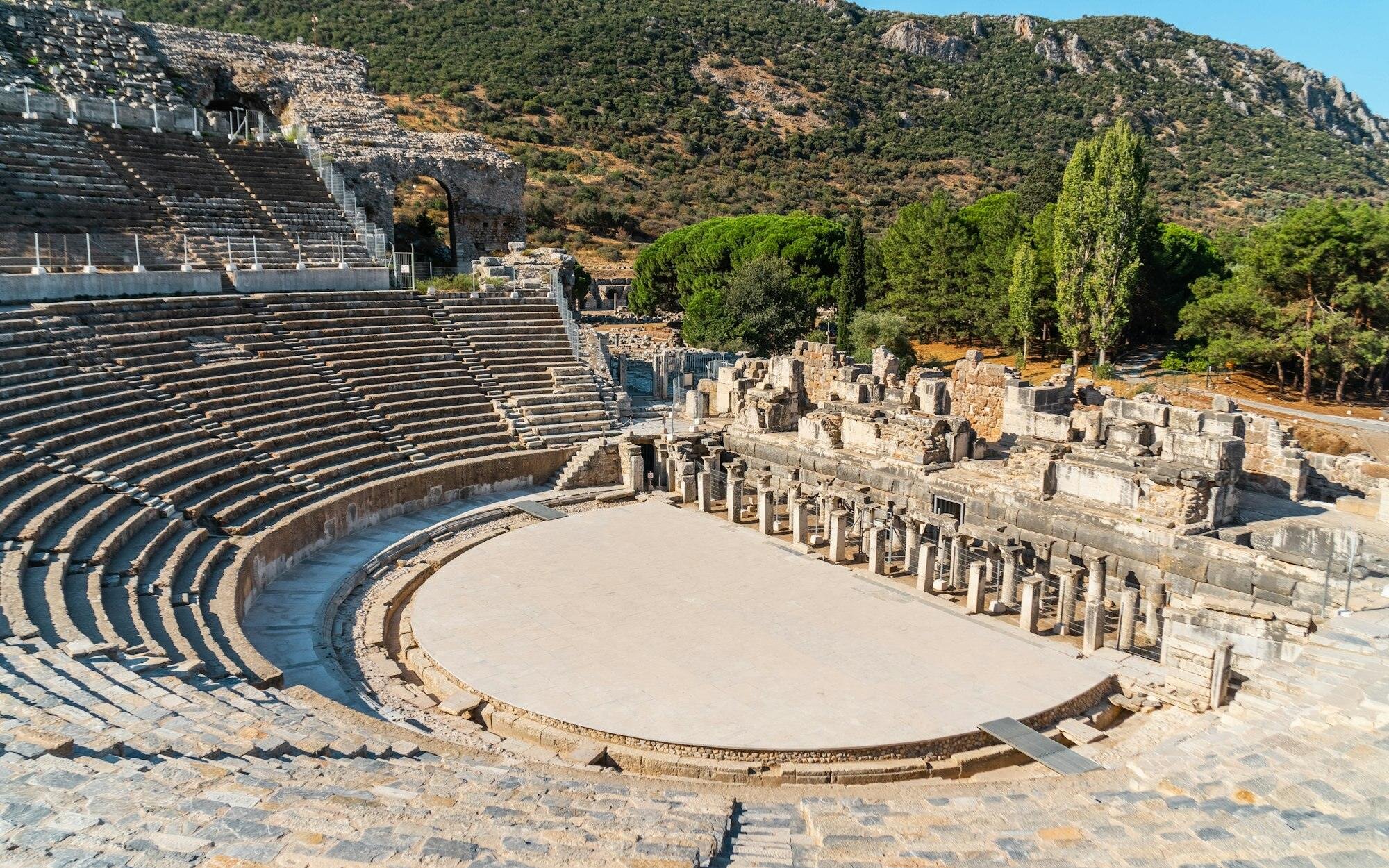
Today, the ruins of Ephesus are a major archaeological site and a UNESCO World Heritage Site. The site attracts millions of visitors each year who come to explore its well-preserved structures, including the Library of Celsus, the Great Theatre, and the Temple of Artemis. The modern town of Selçuk serves as the gateway to the ancient city, offering accommodations and services to tourists .
How to Reach Ephesus
Visitors can easily reach Ephesus by flying into İzmir Adnan Menderes Airport, which is about 60 kilometers from Selçuk. From there, one can take a bus or a taxi to Selçuk, and then either walk or take a short drive to the Ephesus ruins. The proximity to İzmir, one of Turkey's largest cities, makes Ephesus an accessible destination for travelers .
The Archaeological Significance of Ephesus
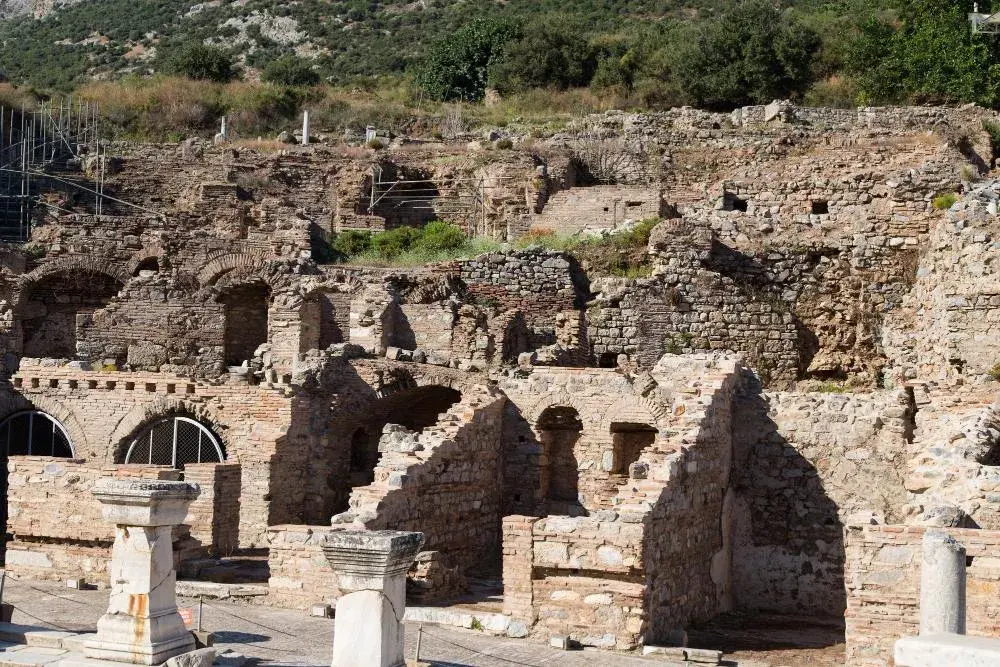
Ephesus is not just a tourist destination; it is also a site of significant archaeological importance. Excavations have been ongoing since the 19th century, revealing the city's intricate urban planning, monumental architecture, and insights into daily life during its peak. The site continues to offer new discoveries that contribute to our understanding of ancient civilizations.
Ongoing Research and Discoveries
Recent archaeological work at Ephesus has focused on preserving its structures and uncovering new aspects of the city's history. Researchers have used advanced technologies like ground-penetrating radar and 3D modeling to explore the site further. These efforts help protect the ruins while providing a more comprehensive picture of life in ancient Ephesus .
Conclusion
Ephesus, located near the modern town of Selçuk in Turkey, remains one of the most important archaeological sites in the world. Its strategic location on the western coast of Asia Minor allowed it to become a center of trade, culture, and religion in antiquity. Today, the ruins of Ephesus continue to draw visitors and scholars alike, offering a glimpse into the grandeur of the ancient world. Whether you are a history enthusiast or a casual traveler, Ephesus is a must-see destination that connects the past with the present.
Explore More About Ephesus’s Role in Ancient Trade
Discover the Significance of the Temple of Artemis
Plan Your Visit to Ephesus
Introduction
Discover the fascinating world of Where Is Ephesus? in Ancient Ephesus in ancient Ephesus. This comprehensive guide explores the historical significance, archaeological findings, and cultural impact of this remarkable aspect of Ephesian heritage.
Historical Background
The history of Where Is Ephesus? in Ancient Ephesus dates back to the early days of Ephesus. Archaeological evidence suggests that this aspect of Ephesian life played a crucial role in shaping the city's development and cultural identity.
Archaeological Discoveries
Recent excavations have unveiled remarkable findings related to Where Is Ephesus? in Ancient Ephesus. These discoveries provide valuable insights into how this aspect of Ephesian life evolved over time.
Cultural Significance
Understanding Where Is Ephesus? in Ancient Ephesus is crucial for appreciating the broader cultural context of ancient Ephesus. Its influence extended beyond the city walls, impacting trade, religion, and daily life.
Visitor Information
Today, visitors to Ephesus can explore the remnants of Where Is Ephesus? in Ancient Ephesus firsthand. This section provides practical information for making the most of your visit.
Preservation and Future
Ongoing conservation efforts ensure that Where Is Ephesus? in Ancient Ephesus remains preserved for future generations. Learn about the challenges and successes in maintaining this important historical site.
Frequently Asked Questions
What is the historical significance of Where Is Ephesus? in Ancient Ephesus?
The Where Is Ephesus? in Ancient Ephesus holds great historical importance in ancient Ephesus, providing valuable insights into the city's cultural and social development.
What can visitors see related to Where Is Ephesus? in Ancient Ephesus today?
Visitors to Ephesus can explore well-preserved remains and artifacts related to Where Is Ephesus? in Ancient Ephesus, offering a glimpse into the ancient world.
When is the best time to visit Where Is Ephesus? in Ancient Ephesus?
The best time to visit is during the spring (April-May) or autumn (September-October) when the weather is mild and crowds are smaller.
Frequently Asked Questions
What is the historical significance of Where Is Ephesus? in Ancient Ephesus?
The Where Is Ephesus? in Ancient Ephesus holds great historical importance in ancient Ephesus, providing valuable insights into the city's cultural and social development.
What can visitors see related to Where Is Ephesus? in Ancient Ephesus today?
Visitors to Ephesus can explore well-preserved remains and artifacts related to Where Is Ephesus? in Ancient Ephesus, offering a glimpse into the ancient world.
When is the best time to visit Where Is Ephesus? in Ancient Ephesus?
The best time to visit is during the spring (April-May) or autumn (September-October) when the weather is mild and crowds are smaller.
Frequently Asked Questions
What is the historical significance of Where Is Ephesus? in Ancient Ephesus?
The Where Is Ephesus? in Ancient Ephesus holds great historical importance in ancient Ephesus, providing valuable insights into the city's cultural and social development.
What can visitors see related to Where Is Ephesus? in Ancient Ephesus today?
Visitors to Ephesus can explore well-preserved remains and artifacts related to Where Is Ephesus? in Ancient Ephesus, offering a glimpse into the ancient world.
When is the best time to visit Where Is Ephesus? in Ancient Ephesus?
The best time to visit is during the spring (April-May) or autumn (September-October) when the weather is mild and crowds are smaller.