

Why Ephesus Was Considered One of the Wonders of the Ancient World
Ephesus, one of the greatest cities of antiquity, held a place of high regard among the wonders of the ancient world. Known for its majestic architecture, cultural significance, and religious importance, Ephesus attracted visitors from across the Mediterranean. While the city itself was not officially one of the Seven Wonders, the Temple of Artemis in Ephesus was recognized as such, standing as a testament to the city’s grandeur. This post explores why Ephesus was celebrated as one of the wonders of its time and the lasting legacy it left behind.
1. The Temple of Artemis: A Wonder of the Ancient World
The Temple of Artemis was the most famous monument in Ephesus and was officially recognized as one of the Seven Wonders of the Ancient World. This temple, dedicated to the goddess Artemis, was an architectural marvel. Built around 550 BC, it featured more than 120 marble columns standing 18 meters tall, and its ornate design included sculptures, frescoes, and golden decorations. The temple attracted pilgrims, traders, and travelers from across the known world, drawn by its beauty and spiritual significance. The Temple of Artemis was not only a place of worship but also a hub of commerce and social activity. It hosted annual festivals and ceremonies honoring Artemis, where the Ephesians celebrated their patron goddess with music, dance, and sacrifices. The temple’s opulence and the cultural events it inspired cemented Ephesus’ reputation as a place of beauty and reverence.
2. Ephesus as a Cultural Crossroads
Situated on the western coast of Asia Minor, Ephesus was a thriving port city that connected the East and West. This strategic location made it a center of commerce, attracting merchants, artisans, and scholars from diverse cultures. The city’s open-minded atmosphere encouraged the blending of Greek, Roman, and Anatolian influences, creating a vibrant society where people of different backgrounds came together to trade goods and ideas. Ephesus was also home to one of the largest libraries of its time, the Library of Celsus, which symbolized the city’s dedication to knowledge and learning. The library’s grand façade, with its towering columns and statues, exemplified the city’s architectural excellence. Ephesus’ role as a cultural crossroads was a key reason why it was considered one of the wonders of the ancient world—a place where different civilizations intersected and flourished.
3. Architectural Achievements of Ephesus
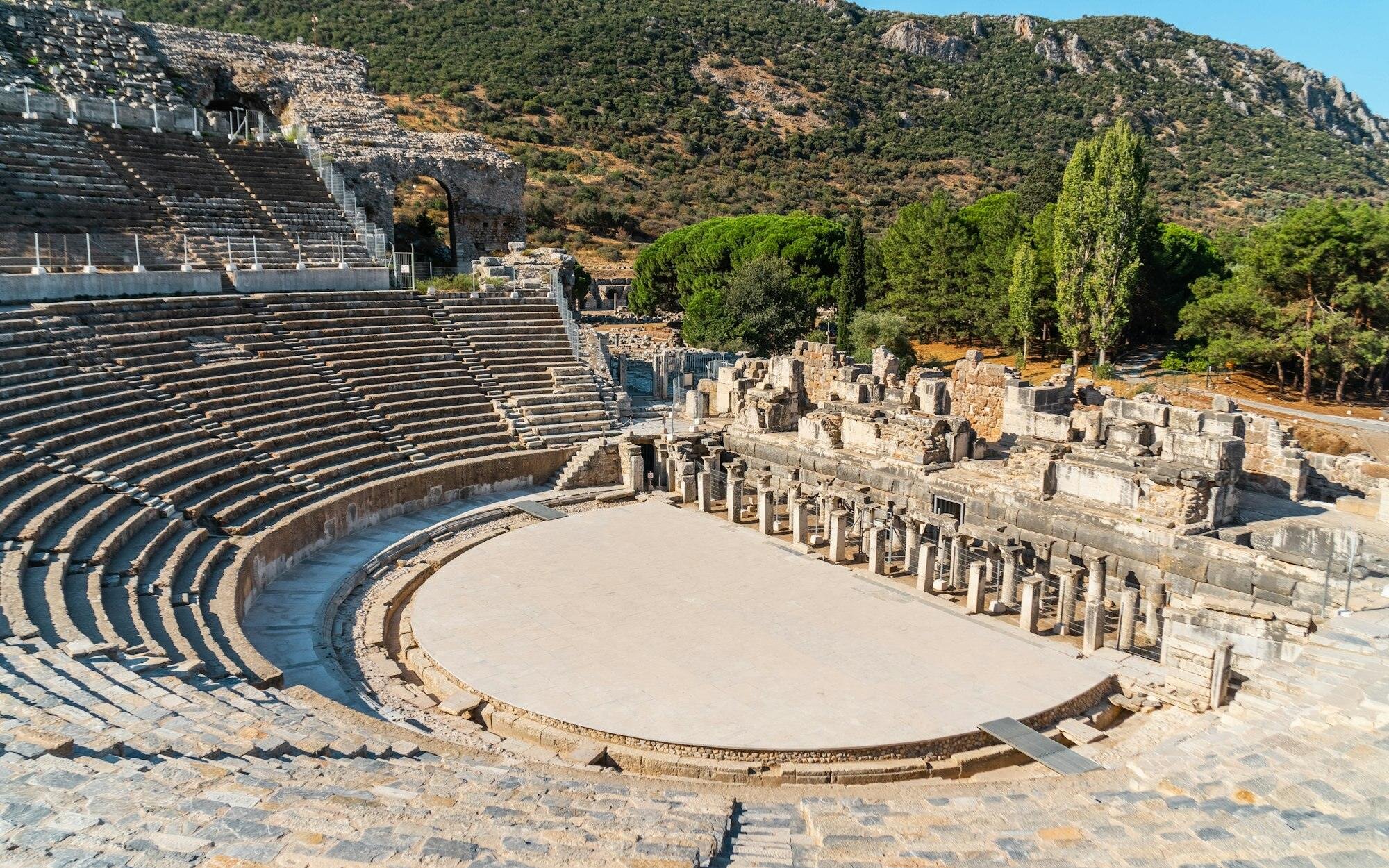
Beyond the Temple of Artemis, Ephesus boasted several other impressive architectural structures. The Great Theatre, capable of seating around 24,000 people, was one of the largest in the ancient world. Carved into the slope of Mount Pion, the theatre showcased exceptional acoustics and a grand design, serving as a venue for theatrical performances, gladiatorial contests, and political gatherings. The city was also known for its well-planned streets, marble-paved walkways, and advanced infrastructure. The agora, or marketplace, was the economic heart of Ephesus, surrounded by shops, administrative buildings, and colonnaded walkways. The architectural sophistication of Ephesus reflected the city’s prosperity and importance, reinforcing its status as a wonder of the ancient world.
4. Religious Significance and Spiritual Legacy
Ephesus was a major center for the worship of Artemis, and its temple played a vital role in the city’s spiritual life. However, Ephesus also held significance for early Christians, as the Apostle Paul preached here, establishing one of the earliest Christian communities. According to tradition, the Virgin Mary spent her final days in Ephesus, and her house on Mount Koressos became a pilgrimage site. The blending of pagan and Christian traditions contributed to the city’s rich spiritual heritage, drawing visitors who sought to connect with both the ancient gods and the early Christian faith. This spiritual diversity set Ephesus apart, as it became a place where people of different faiths and backgrounds could come together. The city’s religious legacy, combined with its architectural marvels, solidified its reputation as a place of wonder and reverence. Conclusion Ephesus was celebrated as one of the wonders of the ancient world for its architectural splendor, cultural richness, and spiritual significance. The city’s monuments, from the Temple of Artemis to the Great Theatre, continue to captivate those who visit. Ephesus stands as a reminder of a time when beauty, knowledge, and faith were deeply intertwined, leaving a legacy that endures through the ages.
For more on the history and significance of Ephesus, visit the Wikipedia page on Ephesus.
Introduction
Discover the fascinating world of Why Ephesus Was Considered One of the Wonders of the Anci... in ancient Ephesus. This comprehensive guide explores the historical significance, archaeological findings, and cultural impact of this remarkable aspect of Ephesian heritage.
Historical Background
The history of Why Ephesus Was Considered One of the Wonders of the Anci... dates back to the early days of Ephesus. Archaeological evidence suggests that this aspect of Ephesian life played a crucial role in shaping the city's development and cultural identity.
Archaeological Discoveries
Recent excavations have unveiled remarkable findings related to Why Ephesus Was Considered One of the Wonders of the Anci.... These discoveries provide valuable insights into how this aspect of Ephesian life evolved over time.
Cultural Significance
Understanding Why Ephesus Was Considered One of the Wonders of the Anci... is crucial for appreciating the broader cultural context of ancient Ephesus. Its influence extended beyond the city walls, impacting trade, religion, and daily life.
Visitor Information
Today, visitors to Ephesus can explore the remnants of Why Ephesus Was Considered One of the Wonders of the Anci... firsthand. This section provides practical information for making the most of your visit.
Preservation and Future
Ongoing conservation efforts ensure that Why Ephesus Was Considered One of the Wonders of the Anci... remains preserved for future generations. Learn about the challenges and successes in maintaining this important historical site.
Frequently Asked Questions
What is the historical significance of Why Ephesus Was Considered One of the Wonders of the Anci...?
The Why Ephesus Was Considered One of the Wonders of the Anci... holds great historical importance in ancient Ephesus, providing valuable insights into the city's cultural and social development.
What can visitors see related to Why Ephesus Was Considered One of the Wonders of the Anci... today?
Visitors to Ephesus can explore well-preserved remains and artifacts related to Why Ephesus Was Considered One of the Wonders of the Anci..., offering a glimpse into the ancient world.
When is the best time to visit Why Ephesus Was Considered One of the Wonders of the Anci...?
The best time to visit is during the spring (April-May) or autumn (September-October) when the weather is mild and crowds are smaller.
Frequently Asked Questions
What is the historical significance of Why Ephesus Was Considered One of the Wonders of the Anci...?
The Why Ephesus Was Considered One of the Wonders of the Anci... holds great historical importance in ancient Ephesus, providing valuable insights into the city's cultural and social development.
What can visitors see related to Why Ephesus Was Considered One of the Wonders of the Anci... today?
Visitors to Ephesus can explore well-preserved remains and artifacts related to Why Ephesus Was Considered One of the Wonders of the Anci..., offering a glimpse into the ancient world.
When is the best time to visit Why Ephesus Was Considered One of the Wonders of the Anci...?
The best time to visit is during the spring (April-May) or autumn (September-October) when the weather is mild and crowds are smaller.
Frequently Asked Questions
What is the historical significance of Why Ephesus Was Considered One of the Wonders of the Anci...?
The Why Ephesus Was Considered One of the Wonders of the Anci... holds great historical importance in ancient Ephesus, providing valuable insights into the city's cultural and social development.
What can visitors see related to Why Ephesus Was Considered One of the Wonders of the Anci... today?
Visitors to Ephesus can explore well-preserved remains and artifacts related to Why Ephesus Was Considered One of the Wonders of the Anci..., offering a glimpse into the ancient world.
When is the best time to visit Why Ephesus Was Considered One of the Wonders of the Anci...?
The best time to visit is during the spring (April-May) or autumn (September-October) when the weather is mild and crowds are smaller.