

A Traveler’s Odyssey: Spiritual Sites and Sacred Moments in Ephesus
Ancient Ephesus has long been a city revered for its spiritual significance. For travelers seeking sacred moments, the city offers sites that have witnessed the devotion of countless pilgrims, the power of ancient gods, and the shifting tides of belief. Ephesus was home to grand temples and sacred groves, where both local citizens and visitors found solace and spiritual insight.
The Temple of Artemis: A Divine Marvel
At the heart of Ephesus stood the Temple of Artemis, one of the Seven Wonders of the Ancient World. This temple was dedicated to Artemis, the goddess of the hunt, wilderness, and chastity, embodying the spiritual soul of the city. Pilgrims from across the Greek world visited Ephesus, eager to offer sacrifices and seek protection from the goddess. The temple’s grand columns and intricate sculptures reflected the devotion of the Ephesian people, who believed that Artemis was the protector of their city. A journey to the temple was an invitation to commune with the divine in a place where spirituality and architectural magnificence coexisted harmoniously.
The Sacred Way and the Groves of Hecate
Ephesus was also known for its connection to Hecate, the goddess of magic, witchcraft, and the underworld. For those brave enough to seek her, the groves on the outskirts of the city provided a place of mystery and power. These groves were adorned with statues and offerings, remnants of rituals performed to honor Hecate and to seek her guidance. The path leading to these sacred spaces was known as the Sacred Way, where travelers could experience a profound connection to the mystical elements of the ancient world. Visiting this grove was both a spiritual pilgrimage and a test of faith, as one would seek blessings or insights from the goddess of the underworld.
Christianity’s Arrival and the House of the Virgin Mary
As centuries passed, Ephesus became a significant site for early Christianity. It is believed that the Apostle John brought Mary, the mother of Jesus, to Ephesus, where she spent her final days. Nestled in the hills, the House of the Virgin Mary remains a place of pilgrimage for both Christians and visitors seeking a moment of peace. Walking through this site offers a spiritual journey, allowing travelers to reflect on the shared history of ancient beliefs and early Christianity in Ephesus. The tranquil setting, combined with its historical significance, makes it a profound destination for those searching for a connection to the past and to divine figures.
The Great Theatre: A Meeting Place of Spirit and Culture
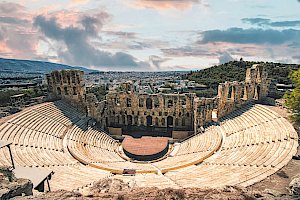
The Great Theatre of Ephesus, which could hold over 20,000 spectators, was more than just an entertainment venue—it was a cultural and spiritual center. This massive structure was a place where the people of Ephesus gathered to watch plays that often reflected the religious themes of the time, mixing entertainment with spiritual lessons. For today’s travelers, standing in the theater offers a chance to imagine the voices and stories that once echoed through its stone seats, capturing the essence of Ephesus as a place where spirituality and daily life intertwined.
Modern Pilgrimages and Reflections
Ephesus remains a timeless destination for those on a spiritual journey. As visitors walk the ancient streets, they follow in the footsteps of those who sought connection with gods, nature, and each other. Whether visiting the Temple of Artemis, exploring the sacred groves, or reflecting at the House of the Virgin Mary, travelers find that Ephesus continues to offer sacred moments that resonate with the heart and soul. For more about Ephesus and its sacred sites, explore the Wikipedia page on Ephesus. And if you're interested in planning a tour, consider checking out Ephesus Tours for an enriching experience that brings history and spirituality to life.
Introduction
Discover the fascinating world of A Traveler’s Odyssey: Spiritual Sites and Sacred Moment... in ancient Ephesus. This comprehensive guide explores the historical significance, archaeological findings, and cultural impact of this remarkable aspect of Ephesian heritage.
Historical Background
The history of A Traveler’s Odyssey: Spiritual Sites and Sacred Moment... dates back to the early days of Ephesus. Archaeological evidence suggests that this aspect of Ephesian life played a crucial role in shaping the city's development and cultural identity.
Archaeological Discoveries
Recent excavations have unveiled remarkable findings related to A Traveler’s Odyssey: Spiritual Sites and Sacred Moment.... These discoveries provide valuable insights into how this aspect of Ephesian life evolved over time.
Cultural Significance
Understanding A Traveler’s Odyssey: Spiritual Sites and Sacred Moment... is crucial for appreciating the broader cultural context of ancient Ephesus. Its influence extended beyond the city walls, impacting trade, religion, and daily life.
Visitor Information
Today, visitors to Ephesus can explore the remnants of A Traveler’s Odyssey: Spiritual Sites and Sacred Moment... firsthand. This section provides practical information for making the most of your visit.
Preservation and Future
Ongoing conservation efforts ensure that A Traveler’s Odyssey: Spiritual Sites and Sacred Moment... remains preserved for future generations. Learn about the challenges and successes in maintaining this important historical site.
Frequently Asked Questions
What is the historical significance of A Traveler’s Odyssey: Spiritual Sites and Sacred Moment...?
The A Traveler’s Odyssey: Spiritual Sites and Sacred Moment... holds great historical importance in ancient Ephesus, providing valuable insights into the city's cultural and social development.
What can visitors see related to A Traveler’s Odyssey: Spiritual Sites and Sacred Moment... today?
Visitors to Ephesus can explore well-preserved remains and artifacts related to A Traveler’s Odyssey: Spiritual Sites and Sacred Moment..., offering a glimpse into the ancient world.
When is the best time to visit A Traveler’s Odyssey: Spiritual Sites and Sacred Moment...?
The best time to visit is during the spring (April-May) or autumn (September-October) when the weather is mild and crowds are smaller.
Frequently Asked Questions
What is the historical significance of A Traveler’s Odyssey: Spiritual Sites and Sacred Moment...?
The A Traveler’s Odyssey: Spiritual Sites and Sacred Moment... holds great historical importance in ancient Ephesus, providing valuable insights into the city's cultural and social development.
What can visitors see related to A Traveler’s Odyssey: Spiritual Sites and Sacred Moment... today?
Visitors to Ephesus can explore well-preserved remains and artifacts related to A Traveler’s Odyssey: Spiritual Sites and Sacred Moment..., offering a glimpse into the ancient world.
When is the best time to visit A Traveler’s Odyssey: Spiritual Sites and Sacred Moment...?
The best time to visit is during the spring (April-May) or autumn (September-October) when the weather is mild and crowds are smaller.
Frequently Asked Questions
What is the historical significance of A Traveler’s Odyssey: Spiritual Sites and Sacred Moment...?
The A Traveler’s Odyssey: Spiritual Sites and Sacred Moment... holds great historical importance in ancient Ephesus, providing valuable insights into the city's cultural and social development.
What can visitors see related to A Traveler’s Odyssey: Spiritual Sites and Sacred Moment... today?
Visitors to Ephesus can explore well-preserved remains and artifacts related to A Traveler’s Odyssey: Spiritual Sites and Sacred Moment..., offering a glimpse into the ancient world.
When is the best time to visit A Traveler’s Odyssey: Spiritual Sites and Sacred Moment...?
The best time to visit is during the spring (April-May) or autumn (September-October) when the weather is mild and crowds are smaller.