
A Walking Guide to the Ancient Streets of Ephesus
Discover a comprehensive walking guide to the ancient streets of Ephesus. Explore must-see sites, historical landmarks, and tips for an unforgettable experience in this iconic city. Ephesus, a UNESCO World Heritage Site, is a city steeped in history, known for its stunning ruins and rich cultural heritage. Walking through the ancient streets allows you to immerse yourself in the stories of the past and experience the grandeur of this once-thriving metropolis. This guide provides a detailed walking route, highlights key sites, and offers tips to enhance your visit.
1. Preparing for Your Walk
Best Time to Visit:
- The ideal times for walking in Ephesus are during the spring (April to June) and fall (September to October) when the weather is mild and crowds are smaller.
What to Wear:
- Comfortable walking shoes are essential, as the terrain can be uneven with ancient stone paths. Dress in light, breathable clothing suitable for warm weather, and don’t forget sun protection like hats and sunglasses.
Hydration and Snacks:
- Bring a refillable water bottle to stay hydrated and pack some snacks to keep your energy up during your exploration.
2. Starting Your Walking Tour
A. Entrance to Ephesus
- Begin your journey at the Main Entrance to Ephesus, where you can purchase tickets and gather maps or guides. This is your gateway to the ancient city.
B. Odeon
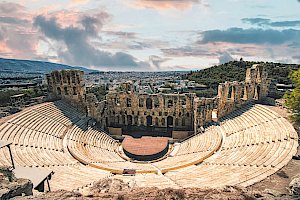
- Overview: As you enter, head to the Odeon, a small theater used for musical performances and public gatherings.
- Highlights: Admire the seating arrangement and the intricate stonework. This is a great place to start your exploration of Ephesus’s cultural life.
3. Key Sites Along the Ancient Streets
C. The Library of Celsus
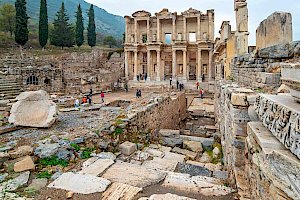
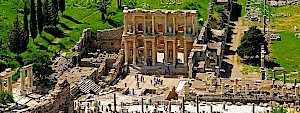
- Overview: One of the most iconic structures in Ephesus, the Library of Celsus was built in honor of Tiberius Julius Celsus, a Roman senator.
- Highlights: Marvel at the grand façade adorned with intricate sculptures. The library once housed thousands of scrolls and served as a tomb for Celsus himself.
D. The Great Theatre
- Overview: Continue to the Great Theatre, which could accommodate around 25,000 spectators.
- Highlights: Climb to the top for breathtaking views of the surrounding landscape. The theatre’s acoustics are remarkable; try speaking from the stage to experience it!
E. The Temple of Artemis (Site of)
- Overview: Though little remains, the site of the Temple of Artemis was one of the Seven Wonders of the Ancient World.
- Highlights: Take time to reflect on the grandeur of the temple that once stood here and its significance in the worship of Artemis.
F. The Agora
- Overview: The Agora served as the commercial and civic center of Ephesus, where trade and social interactions flourished.
- Highlights: Explore the ruins of shops and public buildings, imagining the vibrant market life that once thrived here.
G. The Terrace Houses
- Overview: These well-preserved homes showcase the luxurious lifestyle of Ephesus’s wealthy citizens.
- Highlights: Inside, you’ll find stunning mosaics and frescoes. Consider taking a guided tour to gain insights into the daily life of ancient Ephesians.
4. Continuing Your Journey
H. Basilica of St. John
- Overview: Visit the Basilica of St. John, built over the believed burial site of John the Apostle.
- Highlights: Explore the ruins and learn about the significance of this site in early Christianity. The views from here are also stunning.
I. The House of the Virgin Mary (Optional)
- Overview: Located a short drive from Ephesus, the House of the Virgin Mary is believed to be her last residence.
- Highlights: While this site requires additional travel, it offers a peaceful atmosphere for reflection and prayer, enhancing the spiritual aspect of your visit.
5. Practical Tips for Your Walking Tour
Guided Tours:
- Consider joining a guided walking tour for a more in-depth understanding of Ephesus’s history and architecture. Knowledgeable guides can share fascinating stories and insights.
Photography:
- Don’t forget your camera! Ephesus is incredibly photogenic, and capturing the stunning architecture and landscapes will enrich your memories.
Take Breaks:
- Allow time to rest and soak in the atmosphere. There are benches and shaded areas throughout the site where you can relax and enjoy the view.
6. Conclusion
Walking through the ancient streets of Ephesus is a captivating experience that transports you back in time, allowing you to explore the remnants of a once-great civilization. From the impressive Library of Celsus to the grandeur of the Great Theatre, each site tells a story of Ephesus’s rich history. By following this walking guide, you’ll gain a deeper appreciation for the cultural and historical significance of Ephesus, making your visit an unforgettable journey through time.
Introduction
Discover the fascinating world of A Walking Guide to the Ancient Streets of Ephesus in ancient Ephesus. This comprehensive guide explores the historical significance, archaeological findings, and cultural impact of this remarkable aspect of Ephesian heritage.
Historical Background
The history of A Walking Guide to the Ancient Streets of Ephesus dates back to the early days of Ephesus. Archaeological evidence suggests that this aspect of Ephesian life played a crucial role in shaping the city's development and cultural identity.
Archaeological Discoveries
Recent excavations have unveiled remarkable findings related to A Walking Guide to the Ancient Streets of Ephesus. These discoveries provide valuable insights into how this aspect of Ephesian life evolved over time.
Cultural Significance
Understanding A Walking Guide to the Ancient Streets of Ephesus is crucial for appreciating the broader cultural context of ancient Ephesus. Its influence extended beyond the city walls, impacting trade, religion, and daily life.
Visitor Information
Today, visitors to Ephesus can explore the remnants of A Walking Guide to the Ancient Streets of Ephesus firsthand. This section provides practical information for making the most of your visit.
Preservation and Future
Ongoing conservation efforts ensure that A Walking Guide to the Ancient Streets of Ephesus remains preserved for future generations. Learn about the challenges and successes in maintaining this important historical site.
Frequently Asked Questions
What is the historical significance of A Walking Guide to the Ancient Streets of Ephesus?
The A Walking Guide to the Ancient Streets of Ephesus holds great historical importance in ancient Ephesus, providing valuable insights into the city's cultural and social development.
What can visitors see related to A Walking Guide to the Ancient Streets of Ephesus today?
Visitors to Ephesus can explore well-preserved remains and artifacts related to A Walking Guide to the Ancient Streets of Ephesus, offering a glimpse into the ancient world.
When is the best time to visit A Walking Guide to the Ancient Streets of Ephesus?
The best time to visit is during the spring (April-May) or autumn (September-October) when the weather is mild and crowds are smaller.
Frequently Asked Questions
What is the historical significance of A Walking Guide to the Ancient Streets of Ephesus?
The A Walking Guide to the Ancient Streets of Ephesus holds great historical importance in ancient Ephesus, providing valuable insights into the city's cultural and social development.
What can visitors see related to A Walking Guide to the Ancient Streets of Ephesus today?
Visitors to Ephesus can explore well-preserved remains and artifacts related to A Walking Guide to the Ancient Streets of Ephesus, offering a glimpse into the ancient world.
When is the best time to visit A Walking Guide to the Ancient Streets of Ephesus?
The best time to visit is during the spring (April-May) or autumn (September-October) when the weather is mild and crowds are smaller.
Frequently Asked Questions
What is the historical significance of A Walking Guide to the Ancient Streets of Ephesus?
The A Walking Guide to the Ancient Streets of Ephesus holds great historical importance in ancient Ephesus, providing valuable insights into the city's cultural and social development.
What can visitors see related to A Walking Guide to the Ancient Streets of Ephesus today?
Visitors to Ephesus can explore well-preserved remains and artifacts related to A Walking Guide to the Ancient Streets of Ephesus, offering a glimpse into the ancient world.
When is the best time to visit A Walking Guide to the Ancient Streets of Ephesus?
The best time to visit is during the spring (April-May) or autumn (September-October) when the weather is mild and crowds are smaller.