

Ancient Ephesus and Its Neighbors: A Journey Through Turkish History
Ephesus, one of the most iconic ancient cities on Turkey’s Aegean coast, stands as a testament to the civilizations that have flourished here over thousands of years. But beyond Ephesus, a wealth of other historic sites reveals the depth and diversity of Turkish history. From bustling trade centers to sacred temples, these neighboring sites provide a window into the cultural and spiritual legacy of ancient Anatolia. Together, they form a journey through time, allowing travelers to connect with the past while experiencing the beauty of Turkey’s landscapes.
The Magnificent City of Ephesus
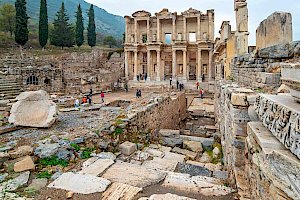
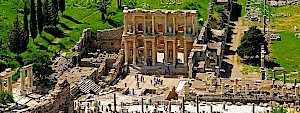
Ephesus is known for its architectural wonders, such as the Temple of Artemis, the Library of Celsus, and the Great Theatre. As a major Roman city, Ephesus thrived as a center of trade, culture, and religion. Its well-preserved ruins offer a glimpse into the daily lives of those who walked its marble streets. The city was also an important center for early Christianity, with landmarks like the Basilica of St. John and the House of the Virgin Mary adding to its spiritual significance.
Priene: A Model of Ancient Urban Planning
Not far from Ephesus, the city of Priene is renowned for its well-planned layout and striking views of the Meander River valley. The Temple of Athena, designed by the famous architect Pytheos, is one of the site’s most impressive structures. Priene’s theater, agora, and residential areas reveal the sophistication of ancient Greek urban design. Today, visitors can wander through the ruins and admire the symmetry and order that made Priene a model city of its time.
Miletus: A Center of Philosophy and Science
Miletus was one of the great intellectual centers of the ancient world, home to philosophers like Thales and Anaximander. The city’s grand theater, expansive stadium, and various temples reflect its cultural and architectural achievements. Miletus was also known for its port, which facilitated trade and cultural exchange throughout the Mediterranean. Exploring Miletus offers insight into the intellectual and economic vitality that characterized this ancient city.
Didyma and the Temple of Apollo
Further south lies Didyma, famous for the Temple of Apollo and its ancient oracle. This sacred site was a major pilgrimage destination, attracting those who sought divine guidance. The temple’s towering columns and intricate carvings are still awe-inspiring today, and the atmosphere of mystery that surrounds Didyma gives it a unique allure. Visitors to Didyma can feel the presence of ancient rituals, experiencing the mystique that made this site so significant.
The Sacred Lake Bafa and Heraclea ad Latmos
Nestled among the mountains, Lake Bafa is a beautiful natural area dotted with ancient ruins. The nearby city of Heraclea ad Latmos features rock-cut tombs, Byzantine monasteries, and fortresses that overlook the lake. This area was a center of monastic life in the Byzantine era, and the remnants of these religious sites offer a peaceful contrast to the bustling urban centers of the past. Lake Bafa’s scenic beauty and historical depth make it a hidden gem for those interested in both nature and history.
Aphrodisias: The City of Art and Beauty
Aphrodisias, located a bit further inland, is dedicated to Aphrodite, the goddess of love and beauty. This ancient city is famous for its sculptural heritage and stunning marble structures, including the Temple of Aphrodite, the Sebasteion, and the impressive stadium. Aphrodisias was a center of art and learning, renowned for its school of sculpture. The city’s well-preserved ruins showcase the artistry and devotion that made Aphrodisias a place of beauty and reverence.
Exploring the Rich Heritage of Anatolia
The ancient sites around Ephesus provide a broader understanding of Turkey’s historical landscape, highlighting the diversity of civilizations that have shaped this region. From the spiritual heart of Didyma to the intellectual hub of Miletus, these neighboring cities offer unique insights into the cultural richness of ancient Anatolia. Each site reflects a different aspect of Turkish history, allowing travelers to experience the depth and beauty of this storied land. For more on the history of Ephesus and its neighboring sites, explore the Wikipedia page on Ephesus. To plan a journey through these ancient wonders, consider a tour with Ephesus Tours, where you can discover the historical treasures that make Turkey an unparalleled destination for cultural exploration.
Introduction
Discover the fascinating world of Ancient Ephesus and Its Neighbors: A Journey Through Turk... in ancient Ephesus. This comprehensive guide explores the historical significance, archaeological findings, and cultural impact of this remarkable aspect of Ephesian heritage.
Historical Background
The history of Ancient Ephesus and Its Neighbors: A Journey Through Turk... dates back to the early days of Ephesus. Archaeological evidence suggests that this aspect of Ephesian life played a crucial role in shaping the city's development and cultural identity.
Archaeological Discoveries
Recent excavations have unveiled remarkable findings related to Ancient Ephesus and Its Neighbors: A Journey Through Turk.... These discoveries provide valuable insights into how this aspect of Ephesian life evolved over time.
Cultural Significance
Understanding Ancient Ephesus and Its Neighbors: A Journey Through Turk... is crucial for appreciating the broader cultural context of ancient Ephesus. Its influence extended beyond the city walls, impacting trade, religion, and daily life.
Visitor Information
Today, visitors to Ephesus can explore the remnants of Ancient Ephesus and Its Neighbors: A Journey Through Turk... firsthand. This section provides practical information for making the most of your visit.
Preservation and Future
Ongoing conservation efforts ensure that Ancient Ephesus and Its Neighbors: A Journey Through Turk... remains preserved for future generations. Learn about the challenges and successes in maintaining this important historical site.
Frequently Asked Questions
What is the historical significance of Ancient Ephesus and Its Neighbors: A Journey Through Turk...?
The Ancient Ephesus and Its Neighbors: A Journey Through Turk... holds great historical importance in ancient Ephesus, providing valuable insights into the city's cultural and social development.
What can visitors see related to Ancient Ephesus and Its Neighbors: A Journey Through Turk... today?
Visitors to Ephesus can explore well-preserved remains and artifacts related to Ancient Ephesus and Its Neighbors: A Journey Through Turk..., offering a glimpse into the ancient world.
When is the best time to visit Ancient Ephesus and Its Neighbors: A Journey Through Turk...?
The best time to visit is during the spring (April-May) or autumn (September-October) when the weather is mild and crowds are smaller.
Frequently Asked Questions
What is the historical significance of Ancient Ephesus and Its Neighbors: A Journey Through Turk...?
The Ancient Ephesus and Its Neighbors: A Journey Through Turk... holds great historical importance in ancient Ephesus, providing valuable insights into the city's cultural and social development.
What can visitors see related to Ancient Ephesus and Its Neighbors: A Journey Through Turk... today?
Visitors to Ephesus can explore well-preserved remains and artifacts related to Ancient Ephesus and Its Neighbors: A Journey Through Turk..., offering a glimpse into the ancient world.
When is the best time to visit Ancient Ephesus and Its Neighbors: A Journey Through Turk...?
The best time to visit is during the spring (April-May) or autumn (September-October) when the weather is mild and crowds are smaller.
Frequently Asked Questions
What is the historical significance of Ancient Ephesus and Its Neighbors: A Journey Through Turk...?
The Ancient Ephesus and Its Neighbors: A Journey Through Turk... holds great historical importance in ancient Ephesus, providing valuable insights into the city's cultural and social development.
What can visitors see related to Ancient Ephesus and Its Neighbors: A Journey Through Turk... today?
Visitors to Ephesus can explore well-preserved remains and artifacts related to Ancient Ephesus and Its Neighbors: A Journey Through Turk..., offering a glimpse into the ancient world.
When is the best time to visit Ancient Ephesus and Its Neighbors: A Journey Through Turk...?
The best time to visit is during the spring (April-May) or autumn (September-October) when the weather is mild and crowds are smaller.