

Following the Sacred Path: The Great Procession of Artemis in Ephesus
In ancient Ephesus, the goddess Artemis was more than just a deity; she was the protector and spiritual heart of the city. Every year, the people of Ephesus honored Artemis with a grand procession that celebrated her power, beauty, and grace. This Great Procession, which moved through the city’s streets and culminated at the magnificent Temple of Artemis, was a sacred event that united the Ephesian people in devotion and reverence.
The Importance of Artemis in Ephesus
Artemis, the goddess of the hunt, wilderness, and fertility, held a central place in the hearts of the Ephesians. Her temple, one of the Seven Wonders of the Ancient World, was a symbol of the city’s wealth and religious dedication. The annual procession, a vibrant display of loyalty and faith, was a testament to the deep connection between the goddess and her people. Ephesians believed that Artemis watched over their city, and they sought to honor her with rituals that reflected their gratitude and devotion.
The Sacred Path of the Procession
The procession began at the city’s gates, where participants gathered in elaborate robes, carrying offerings of flowers, incense, and food. Priests and priestesses led the way, chanting hymns and prayers as they guided the crowd along the sacred path toward the temple. Musicians played flutes and drums, filling the air with melodies that honored Artemis. Dancers performed intricate movements, symbolizing the strength and grace of the goddess. As the procession wound its way through Ephesus, citizens lined the streets to catch a glimpse of the sacred rites. The path was adorned with garlands, and statues of Artemis were carried through the city, representing her divine presence among the people. For those who participated, the procession was not only a celebration but also a deeply spiritual experience, a chance to connect with the goddess and seek her blessings for the year to come.
Rituals and Offerings at the Temple of Artemis
The procession culminated at the Temple of Artemis, where the priests and priestesses performed rituals that honored the goddess and renewed their commitment to her. Offerings were laid at the temple’s altar, including grains, fruits, and animal sacrifices. These acts of devotion were believed to secure Artemis’s favor, ensuring protection and prosperity for the city. The temple, with its towering columns and intricate sculptures, provided a magnificent setting for the final rites. As the sun set over Ephesus, the temple shone with the light of countless torches, illuminating the figures of Artemis and casting a glow over the crowd. For the Ephesians, this moment was a powerful reminder of their bond with the goddess and the role she played in their lives.
The Legacy of the Great Procession
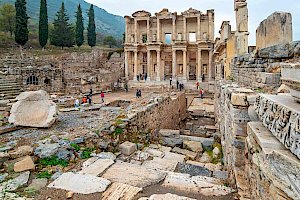
The Great Procession of Artemis was more than just a religious ceremony; it was a symbol of unity and cultural identity for the people of Ephesus. This annual event reinforced the values and beliefs that defined the city, celebrating the goddess who protected them and the traditions that bound them together. Today, the ruins of the Temple of Artemis stand as a reminder of these ancient rituals, evoking the spirit of a time when faith and community were deeply intertwined. To learn more about the history of Ephesus and its sacred traditions, visit the Wikipedia page on Ephesus. For an immersive experience in the world of Artemis, consider a tour with Ephesus Tours, where you can explore the remnants of this ancient city and walk the paths once traveled by the faithful of Ephesus.
Introduction
Discover the fascinating world of Following the Sacred Path: The Great Procession of Artemi... in ancient Ephesus. This comprehensive guide explores the historical significance, archaeological findings, and cultural impact of this remarkable aspect of Ephesian heritage.
Historical Background
The history of Following the Sacred Path: The Great Procession of Artemi... dates back to the early days of Ephesus. Archaeological evidence suggests that this aspect of Ephesian life played a crucial role in shaping the city's development and cultural identity.
Archaeological Discoveries
Recent excavations have unveiled remarkable findings related to Following the Sacred Path: The Great Procession of Artemi.... These discoveries provide valuable insights into how this aspect of Ephesian life evolved over time.
Cultural Significance
Understanding Following the Sacred Path: The Great Procession of Artemi... is crucial for appreciating the broader cultural context of ancient Ephesus. Its influence extended beyond the city walls, impacting trade, religion, and daily life.
Visitor Information
Today, visitors to Ephesus can explore the remnants of Following the Sacred Path: The Great Procession of Artemi... firsthand. This section provides practical information for making the most of your visit.
Preservation and Future
Ongoing conservation efforts ensure that Following the Sacred Path: The Great Procession of Artemi... remains preserved for future generations. Learn about the challenges and successes in maintaining this important historical site.
Frequently Asked Questions
What is the historical significance of Following the Sacred Path: The Great Procession of Artemi...?
The Following the Sacred Path: The Great Procession of Artemi... holds great historical importance in ancient Ephesus, providing valuable insights into the city's cultural and social development.
What can visitors see related to Following the Sacred Path: The Great Procession of Artemi... today?
Visitors to Ephesus can explore well-preserved remains and artifacts related to Following the Sacred Path: The Great Procession of Artemi..., offering a glimpse into the ancient world.
When is the best time to visit Following the Sacred Path: The Great Procession of Artemi...?
The best time to visit is during the spring (April-May) or autumn (September-October) when the weather is mild and crowds are smaller.
Frequently Asked Questions
What is the historical significance of Following the Sacred Path: The Great Procession of Artemi...?
The Following the Sacred Path: The Great Procession of Artemi... holds great historical importance in ancient Ephesus, providing valuable insights into the city's cultural and social development.
What can visitors see related to Following the Sacred Path: The Great Procession of Artemi... today?
Visitors to Ephesus can explore well-preserved remains and artifacts related to Following the Sacred Path: The Great Procession of Artemi..., offering a glimpse into the ancient world.
When is the best time to visit Following the Sacred Path: The Great Procession of Artemi...?
The best time to visit is during the spring (April-May) or autumn (September-October) when the weather is mild and crowds are smaller.
Frequently Asked Questions
What is the historical significance of Following the Sacred Path: The Great Procession of Artemi...?
The Following the Sacred Path: The Great Procession of Artemi... holds great historical importance in ancient Ephesus, providing valuable insights into the city's cultural and social development.
What can visitors see related to Following the Sacred Path: The Great Procession of Artemi... today?
Visitors to Ephesus can explore well-preserved remains and artifacts related to Following the Sacred Path: The Great Procession of Artemi..., offering a glimpse into the ancient world.
When is the best time to visit Following the Sacred Path: The Great Procession of Artemi...?
The best time to visit is during the spring (April-May) or autumn (September-October) when the weather is mild and crowds are smaller.