

Is Ephesus worth visiting? in Ancient Ephesus
Is Ephesus Worth Visiting?
If you're wondering whether Ephesus is worth visiting, the answer is a resounding yes. As one of the most well-preserved ancient cities in the world, Ephesus offers a unique glimpse into the past, showcasing a blend of Roman, Greek, and early Christian heritage. With its impressive monuments, such as the Library of Celsus and the Great Theater, Ephesus is a must-see destination for history enthusiasts, architecture lovers, and those seeking to experience the cultural richness of Turkey.
In this blog, we’ll explore why Ephesus is such a special place and why it should be on your travel itinerary.
What is special about Ephesus?
Ephesus stands out for its remarkable archaeological ruins, which include some of the best-preserved Roman and Greek structures in the world. Here are a few highlights that make Ephesus special:
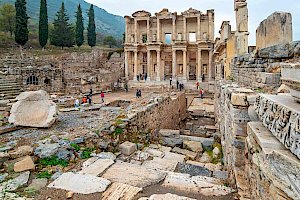
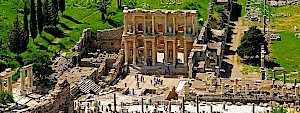
- The Library of Celsus: One of the most iconic buildings in Ephesus, the Library of Celsus was built in the 2nd century AD and was once home to thousands of scrolls. Its stunning facade, with intricate details and statues, makes it a highlight for visitors.
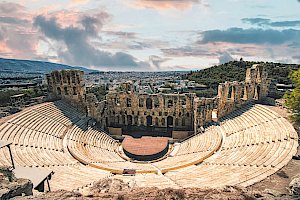
- The Great Theater: This massive theater, which could hold 25,000 spectators, is where public gatherings, performances, and religious ceremonies were held. It’s also famous for being the site of a riot against St. Paul as described in the Acts of the Apostles.
- Temple of Artemis: Though only ruins remain, the Temple of Artemis was one of the Seven Wonders of the Ancient World. It once stood as a grand monument to the goddess Artemis, drawing pilgrims and worshipers from around the Mediterranean.
- Christian Heritage: Ephesus is deeply connected to early Christianity. The city was home to St. Paul, St. John, and is believed to have been the final residence of the Virgin Mary. The House of the Virgin Mary is a key pilgrimage site for both Christians and Muslims.
- Curetes Street: Lined with ancient statues, fountains, and the remains of temples, Curetes Street is one of the main thoroughfares of ancient Ephesus. Walking down this street, you can imagine what life was like in this bustling city.
What is Ephesus called today?
Ephesus is still referred to by its ancient name, but the modern town near the archaeological site is called Selçuk, located in the İzmir province of Turkey. The Ruins of Ephesus remain one of the most popular tourist destinations in the country.
Is Ephesus a Greek or Turkish city?
Ephesus was originally a Greek city, founded in the 10th century BC by Ionian Greeks. Over time, it came under Persian and later Roman rule, becoming a major city in the Roman Empire. Today, Ephesus is located in modern Turkey, near the town of Selçuk.
Why did everyone leave Ephesus?
The decline of Ephesus was gradual and occurred over several centuries. There were multiple reasons for the city's abandonment:
- Environmental changes: The Harbor of Ephesus, which was essential for trade, gradually silted up due to the build-up of sediment from the nearby Cayster River. As the harbor became unusable, Ephesus lost its significance as a commercial center.
- Earthquakes: The region around Ephesus was prone to earthquakes, and several significant tremors damaged the city’s infrastructure, contributing to its decline.
- Christianity and religious shifts: As the Roman Empire embraced Christianity, many of the pagan temples and structures in Ephesus fell into disuse. The city’s role as a religious center shifted with the rise of Constantinople.
- Invasions: Over the centuries, Ephesus faced invasions and attacks from the Goths and other groups, which further weakened the city.
By the Byzantine period, the city had largely been abandoned, and it eventually fell into ruins.
Conclusion: Why Ephesus is Worth Visiting
With its rich history, awe-inspiring ruins, and deep connections to both pagan and Christian heritage, Ephesus is undoubtedly worth visiting. Whether you are fascinated by ancient history, interested in biblical sites, or simply want to experience the beauty of one of the world’s greatest archaeological sites, Ephesus has something to offer every traveler. It’s a place where the past comes to life, making it a must-see destination on your journey through Turkey.
External Links for Further Reading
Introduction
Discover the fascinating world of Is Ephesus worth visiting? in Ancient Ephesus in ancient Ephesus. This comprehensive guide explores the historical significance, archaeological findings, and cultural impact of this remarkable aspect of Ephesian heritage.
Historical Background
The history of Is Ephesus worth visiting? in Ancient Ephesus dates back to the early days of Ephesus. Archaeological evidence suggests that this aspect of Ephesian life played a crucial role in shaping the city's development and cultural identity.
Archaeological Discoveries
Recent excavations have unveiled remarkable findings related to Is Ephesus worth visiting? in Ancient Ephesus. These discoveries provide valuable insights into how this aspect of Ephesian life evolved over time.
Cultural Significance
Understanding Is Ephesus worth visiting? in Ancient Ephesus is crucial for appreciating the broader cultural context of ancient Ephesus. Its influence extended beyond the city walls, impacting trade, religion, and daily life.
Visitor Information
Today, visitors to Ephesus can explore the remnants of Is Ephesus worth visiting? in Ancient Ephesus firsthand. This section provides practical information for making the most of your visit.
Preservation and Future
Ongoing conservation efforts ensure that Is Ephesus worth visiting? in Ancient Ephesus remains preserved for future generations. Learn about the challenges and successes in maintaining this important historical site.
Frequently Asked Questions
What is the historical significance of Is Ephesus worth visiting? in Ancient Ephesus?
The Is Ephesus worth visiting? in Ancient Ephesus holds great historical importance in ancient Ephesus, providing valuable insights into the city's cultural and social development.
What can visitors see related to Is Ephesus worth visiting? in Ancient Ephesus today?
Visitors to Ephesus can explore well-preserved remains and artifacts related to Is Ephesus worth visiting? in Ancient Ephesus, offering a glimpse into the ancient world.
When is the best time to visit Is Ephesus worth visiting? in Ancient Ephesus?
The best time to visit is during the spring (April-May) or autumn (September-October) when the weather is mild and crowds are smaller.
Frequently Asked Questions
What is the historical significance of Is Ephesus worth visiting? in Ancient Ephesus?
The Is Ephesus worth visiting? in Ancient Ephesus holds great historical importance in ancient Ephesus, providing valuable insights into the city's cultural and social development.
What can visitors see related to Is Ephesus worth visiting? in Ancient Ephesus today?
Visitors to Ephesus can explore well-preserved remains and artifacts related to Is Ephesus worth visiting? in Ancient Ephesus, offering a glimpse into the ancient world.
When is the best time to visit Is Ephesus worth visiting? in Ancient Ephesus?
The best time to visit is during the spring (April-May) or autumn (September-October) when the weather is mild and crowds are smaller.
Frequently Asked Questions
What is the historical significance of Is Ephesus worth visiting? in Ancient Ephesus?
The Is Ephesus worth visiting? in Ancient Ephesus holds great historical importance in ancient Ephesus, providing valuable insights into the city's cultural and social development.
What can visitors see related to Is Ephesus worth visiting? in Ancient Ephesus today?
Visitors to Ephesus can explore well-preserved remains and artifacts related to Is Ephesus worth visiting? in Ancient Ephesus, offering a glimpse into the ancient world.
When is the best time to visit Is Ephesus worth visiting? in Ancient Ephesus?
The best time to visit is during the spring (April-May) or autumn (September-October) when the weather is mild and crowds are smaller.