

The Road Less Traveled: Ephesus in 1952 Through an Adventurers Eyes
In 1952, Ephesus was far from the bustling tourist destination it is today. For those adventurous enough to explore its ruins, the city offered a sense of solitude and mystery. Walking through Ephesus during this era, an adventurer would have encountered a landscape of partially unearthed structures, silent reminders of a civilization that once thrived along the Aegean coast. This journey into the heart of an ancient world was an experience shaped by discovery, reflection, and a sense of timeless wonder.
Approaching the Ancient Ruins
In the early 1950s, the approach to Ephesus would have been a journey in itself. Dirt paths led travelers to the city’s gates, with wild olive groves and sprawling fields surrounding the site. The landscape was quiet, and without the crowds and amenities that accompany today’s visits, an adventurer would have felt a profound connection to the environment. Arriving at Ephesus in 1952 meant stepping into a silent world, where the remains of temples, theaters, and marble streets lay undisturbed by modern tourism.
Exploring the Temple of Artemis
The Temple of Artemis, though largely in ruins, was still a focal point of the site, hinting at its former grandeur. This Wonder of the Ancient World attracted explorers drawn to its storied past. In 1952, the temple’s site would have been a peaceful place, with columns and stones lying amidst wildflowers and shrubs. An adventurer could wander freely among the remains, contemplating the faith and devotion that once drew pilgrims to this sacred place. For a solitary traveler, the temple was more than a historical artifact—it was a link to ancient rituals, evoking images of worshippers seeking the protection of Artemis. In those days, Ephesus held a certain mystique, and standing among the ruins of the temple would have provided a profound sense of the city’s spiritual heritage.
Wandering the Streets of Ephesus
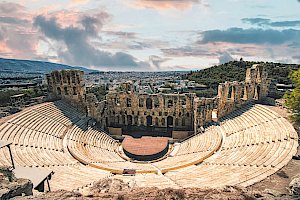
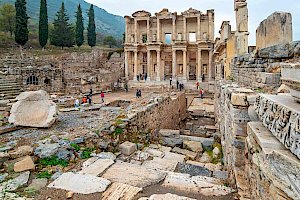
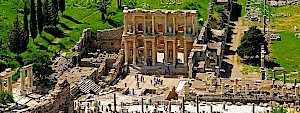
The main street of Ephesus, the Marble Road, stretched out before visitors, lined with the remnants of columns and statues. In 1952, an adventurer could walk these streets largely undisturbed, discovering the city’s ruins at their own pace. The Library of Celsus, with its impressive facade, still stood as a reminder of Ephesus’s intellectual legacy. Though partially restored, the library’s columns and carvings offered an intimate look at the artistic achievements of the ancient city. Walking through Ephesus, an explorer would have encountered the Great Theatre, where echoes of past performances seemed to linger. The theater’s towering seats and open stage provided a striking contrast to the quiet surroundings, inspiring thoughts of the gatherings, debates, and performances that once animated the space. In 1952, the theater and other landmarks of Ephesus would have been overgrown with vegetation, adding to the feeling of stepping into a forgotten world.
Reflections on Ephesus in a Changing World
To walk through Ephesus in 1952 was to experience a city on the edge of modernity, yet untouched by the tourist developments that would soon follow. For the adventurer, Ephesus offered a rare chance to connect with the past in a personal and unhurried way. The city’s ruins told stories of ancient rituals, philosophical discussions, and the lives of ordinary people who had walked the same paths centuries earlier. In those quiet moments, exploring the ruins without guides or crowds, an adventurer would have found a sense of timelessness. Ephesus was a place where the past felt alive, where the stones and columns seemed to speak of their own histories. For the traveler of 1952, the city’s allure lay in its mystery, and the experience of exploring Ephesus was one of wonder, solitude, and discovery. Today, Ephesus is a well-preserved site that attracts millions of visitors each year. Yet the spirit of those early explorations remains, inviting all who walk its paths to rediscover the beauty and history of one of the ancient world’s greatest cities. For more on the historical significance of Ephesus, visit the Wikipedia page on Ephesus. To experience this ancient city, consider a guided tour with Ephesus Tours, where the legacy of past explorers continues to inspire.
Introduction
Discover the fascinating world of The Road Less Traveled: Ephesus in 1952 Through an Advent... in ancient Ephesus. This comprehensive guide explores the historical significance, archaeological findings, and cultural impact of this remarkable aspect of Ephesian heritage.
Historical Background
The history of The Road Less Traveled: Ephesus in 1952 Through an Advent... dates back to the early days of Ephesus. Archaeological evidence suggests that this aspect of Ephesian life played a crucial role in shaping the city's development and cultural identity.
Archaeological Discoveries
Recent excavations have unveiled remarkable findings related to The Road Less Traveled: Ephesus in 1952 Through an Advent.... These discoveries provide valuable insights into how this aspect of Ephesian life evolved over time.
Cultural Significance
Understanding The Road Less Traveled: Ephesus in 1952 Through an Advent... is crucial for appreciating the broader cultural context of ancient Ephesus. Its influence extended beyond the city walls, impacting trade, religion, and daily life.
Visitor Information
Today, visitors to Ephesus can explore the remnants of The Road Less Traveled: Ephesus in 1952 Through an Advent... firsthand. This section provides practical information for making the most of your visit.
Preservation and Future
Ongoing conservation efforts ensure that The Road Less Traveled: Ephesus in 1952 Through an Advent... remains preserved for future generations. Learn about the challenges and successes in maintaining this important historical site.
Frequently Asked Questions
What is the historical significance of The Road Less Traveled: Ephesus in 1952 Through an Advent...?
The The Road Less Traveled: Ephesus in 1952 Through an Advent... holds great historical importance in ancient Ephesus, providing valuable insights into the city's cultural and social development.
What can visitors see related to The Road Less Traveled: Ephesus in 1952 Through an Advent... today?
Visitors to Ephesus can explore well-preserved remains and artifacts related to The Road Less Traveled: Ephesus in 1952 Through an Advent..., offering a glimpse into the ancient world.
When is the best time to visit The Road Less Traveled: Ephesus in 1952 Through an Advent...?
The best time to visit is during the spring (April-May) or autumn (September-October) when the weather is mild and crowds are smaller.
Frequently Asked Questions
What is the historical significance of The Road Less Traveled: Ephesus in 1952 Through an Advent...?
The The Road Less Traveled: Ephesus in 1952 Through an Advent... holds great historical importance in ancient Ephesus, providing valuable insights into the city's cultural and social development.
What can visitors see related to The Road Less Traveled: Ephesus in 1952 Through an Advent... today?
Visitors to Ephesus can explore well-preserved remains and artifacts related to The Road Less Traveled: Ephesus in 1952 Through an Advent..., offering a glimpse into the ancient world.
When is the best time to visit The Road Less Traveled: Ephesus in 1952 Through an Advent...?
The best time to visit is during the spring (April-May) or autumn (September-October) when the weather is mild and crowds are smaller.
Frequently Asked Questions
What is the historical significance of The Road Less Traveled: Ephesus in 1952 Through an Advent...?
The The Road Less Traveled: Ephesus in 1952 Through an Advent... holds great historical importance in ancient Ephesus, providing valuable insights into the city's cultural and social development.
What can visitors see related to The Road Less Traveled: Ephesus in 1952 Through an Advent... today?
Visitors to Ephesus can explore well-preserved remains and artifacts related to The Road Less Traveled: Ephesus in 1952 Through an Advent..., offering a glimpse into the ancient world.
When is the best time to visit The Road Less Traveled: Ephesus in 1952 Through an Advent...?
The best time to visit is during the spring (April-May) or autumn (September-October) when the weather is mild and crowds are smaller.