
The Seven Wonders of Ephesus in Ancient Ephesus
Introduction
Ephesus, an ancient city located in modern-day Turkey, is a treasure trove of history, culture, and architectural grandeur. Once a bustling port city, Ephesus was home to some of the world’s greatest wonders. In this blog, we will guide you through seven must-see ancient marvels that make Ephesus a top destination for history lovers and curious travelers.
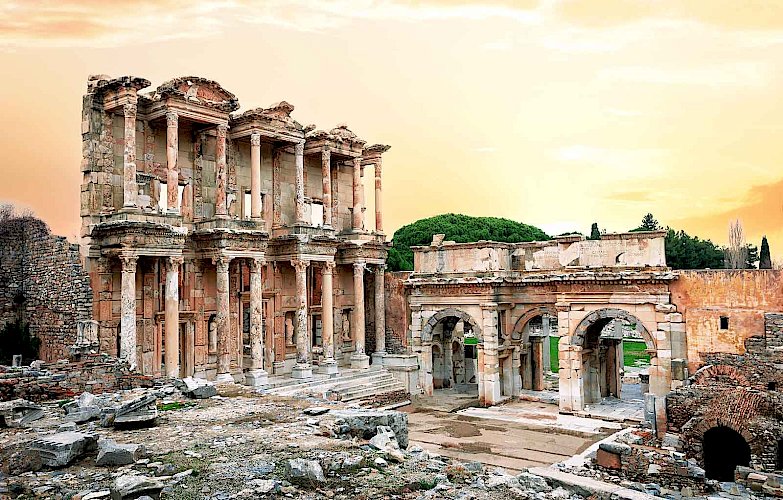
1. The Library of Celsus
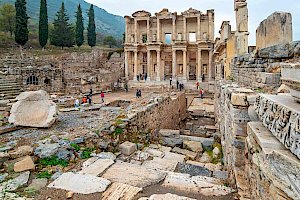
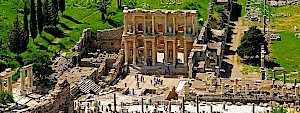
One of the most iconic structures in Ephesus, the Library of Celsus, was built in 110 AD in honor of Roman Senator Tiberius Julius Celsus Polemaeanus. The library is renowned for its stunning two-story façade, intricate carvings, and the statues symbolizing wisdom, knowledge, and virtue. Once housing more than 12,000 scrolls, the Library of Celsus is a testament to the intellectual and cultural sophistication of ancient Ephesus.
2. The Great Theatre
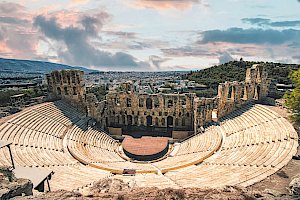
Able to seat over 25,000 people, the Great Theatre is one of the largest and most impressive structures in Ephesus. This grand amphitheater hosted everything from dramatic performances to gladiatorial contests. Today, it stands as a symbol of the city’s entertainment and political importance.
3. The Temple of Artemis
The Temple of Artemis, once considered one of the Seven Wonders of the Ancient World, was a grand temple dedicated to Artemis, the Greek goddess of the hunt. Although little remains of the temple today, its significance in ancient Greek and Roman culture is unparalleled. Visitors can still marvel at the ruins and imagine the temple’s former grandeur.
4. The Temple of Hadrian
Dedicated to Roman Emperor Hadrian, the Temple of Hadrian is a beautifully preserved monument. The temple’s intricate friezes depict the founding of Ephesus and various gods, adding to its historical importance.
5. The Terrace Houses
The Terrace Houses are a unique glimpse into the lives of Ephesus’s wealthy elite. These luxurious homes feature stunning mosaics, frescoes, and an advanced heating system, showing how advanced Roman engineering was during this period.
6. The Basilica of St. John
Believed to be the burial site of John the Apostle, the Basilica of St. John is a significant Christian monument in Ephesus. Built in the 6th century by Emperor Justinian, this basilica is a place of pilgrimage for many visitors.
7. The Odeon
The Odeon, also known as the Bouleuterion, was a small theater used for music performances, meetings, and council gatherings. It could seat about 1,500 people and is notable for its well-preserved architecture.
Plan Your Visit to Ephesus
Visiting Ephesus is like stepping back in time, with its ruins telling the stories of ancient Greeks, Romans, and early Christians. Whether you’re fascinated by history or looking for a cultural adventure, Ephesus offers endless wonders to explore.
For guided tours, transport options, and accommodation packages, visit Ephesus Tours to plan your trip.
Historical Background
The history of The Seven Wonders of Ephesus in Ancient Ephesus dates back to the early days of Ephesus. Archaeological evidence suggests that this aspect of Ephesian life played a crucial role in shaping the city's development and cultural identity.
Archaeological Discoveries
Recent excavations have unveiled remarkable findings related to The Seven Wonders of Ephesus in Ancient Ephesus. These discoveries provide valuable insights into how this aspect of Ephesian life evolved over time.
Cultural Significance
Understanding The Seven Wonders of Ephesus in Ancient Ephesus is crucial for appreciating the broader cultural context of ancient Ephesus. Its influence extended beyond the city walls, impacting trade, religion, and daily life.
Visitor Information
Today, visitors to Ephesus can explore the remnants of The Seven Wonders of Ephesus in Ancient Ephesus firsthand. This section provides practical information for making the most of your visit.
Preservation and Future
Ongoing conservation efforts ensure that The Seven Wonders of Ephesus in Ancient Ephesus remains preserved for future generations. Learn about the challenges and successes in maintaining this important historical site.
Frequently Asked Questions
What is the historical significance of The Seven Wonders of Ephesus in Ancient Ephesus?
The The Seven Wonders of Ephesus in Ancient Ephesus holds great historical importance in ancient Ephesus, providing valuable insights into the city's cultural and social development.
What can visitors see related to The Seven Wonders of Ephesus in Ancient Ephesus today?
Visitors to Ephesus can explore well-preserved remains and artifacts related to The Seven Wonders of Ephesus in Ancient Ephesus, offering a glimpse into the ancient world.
When is the best time to visit The Seven Wonders of Ephesus in Ancient Ephesus?
The best time to visit is during the spring (April-May) or autumn (September-October) when the weather is mild and crowds are smaller.
Frequently Asked Questions
What is the historical significance of The Seven Wonders of Ephesus in Ancient Ephesus?
The The Seven Wonders of Ephesus in Ancient Ephesus holds great historical importance in ancient Ephesus, providing valuable insights into the city's cultural and social development.
What can visitors see related to The Seven Wonders of Ephesus in Ancient Ephesus today?
Visitors to Ephesus can explore well-preserved remains and artifacts related to The Seven Wonders of Ephesus in Ancient Ephesus, offering a glimpse into the ancient world.
When is the best time to visit The Seven Wonders of Ephesus in Ancient Ephesus?
The best time to visit is during the spring (April-May) or autumn (September-October) when the weather is mild and crowds are smaller.
Frequently Asked Questions
What is the historical significance of The Seven Wonders of Ephesus in Ancient Ephesus?
The The Seven Wonders of Ephesus in Ancient Ephesus holds great historical importance in ancient Ephesus, providing valuable insights into the city's cultural and social development.
What can visitors see related to The Seven Wonders of Ephesus in Ancient Ephesus today?
Visitors to Ephesus can explore well-preserved remains and artifacts related to The Seven Wonders of Ephesus in Ancient Ephesus, offering a glimpse into the ancient world.
When is the best time to visit The Seven Wonders of Ephesus in Ancient Ephesus?
The best time to visit is during the spring (April-May) or autumn (September-October) when the weather is mild and crowds are smaller.