
Walking in Mary’s Footsteps: A Spiritual Journey in Ephesus
Ephesus, an ancient city with a rich spiritual heritage, holds a special place in Christian tradition as the final home of the Virgin Mary. According to legend, Mary spent her last years near Ephesus, where she lived a life of prayer and contemplation. For many visitors, retracing Mary’s steps is a deeply moving experience, offering a connection to one of Christianity’s most revered figures. A journey through the sacred sites of Ephesus invites pilgrims to reflect, renew their faith, and experience the serenity of a city that has inspired devotion for centuries.
The House of the Virgin Mary
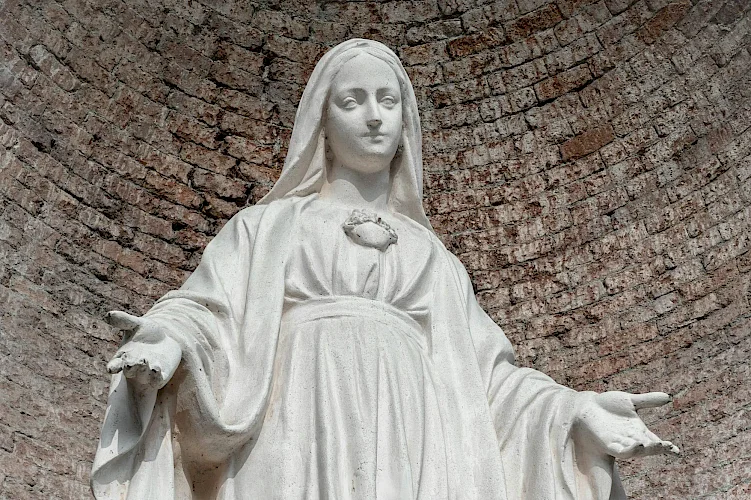
Nestled on a quiet hillside near Ephesus, the House of the Virgin Mary is believed to be where Mary spent her final years. Discovered in the 19th century based on the visions of a German nun, the site has since become a pilgrimage destination for Christians and Muslims alike. The small stone house, set amidst lush greenery, exudes a sense of peace, and visitors are encouraged to light candles, offer prayers, and reflect on Mary’s life. Many who visit the House of the Virgin Mary report feeling a profound sense of calm, as if stepping into a sanctuary blessed by centuries of devotion. The site includes a prayer wall where pilgrims leave notes of supplication, seeking Mary’s intercession. For those walking in Mary’s footsteps, this is a moment to connect with her legacy of faith and compassion.
The Basilica of St. John
Ephesus is also home to the Basilica of St. John, built on the believed burial site of John the Apostle. Tradition holds that John cared for Mary after the crucifixion, bringing her to Ephesus to live out her final years. The basilica, though now in ruins, was once a grand structure that attracted worshippers from across the region. Today, visitors can explore the site and reflect on the bond between Mary and John, as well as their shared commitment to spreading the Christian message. Standing among the basilica’s ancient columns, travelers can sense the history that has unfolded here—a history marked by devotion, pilgrimage, and the enduring impact of Mary and John’s spiritual influence in Ephesus.
The Spiritual Heritage of Ephesus
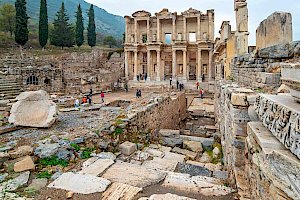
Ephesus was not only a center of early Christianity but also a city that embraced diverse religious traditions. Walking through its streets, visitors encounter sites that reflect this rich spiritual heritage, from the Temple of Artemis to early Christian churches. Ephesus is a place where the sacred and the everyday intertwined, shaping a unique cultural landscape that continues to inspire reverence. For those tracing Mary’s footsteps, Ephesus offers a chance to experience the city’s deep spiritual resonance. Each step through its ancient ruins is a reminder of the faith that sustained Mary and the early Christian community. The journey is one of reflection, inviting pilgrims to draw strength from the same spiritual wellsprings that have nourished believers for centuries.
Connecting with Mary’s Legacy Today
Walking in Mary’s footsteps in Ephesus is more than just a historical exploration—it is a spiritual journey that allows visitors to connect with her legacy of love, compassion, and resilience. Whether lighting a candle at her house or standing in silent reflection at St. John’s Basilica, travelers can experience the profound peace that Mary’s presence brings to this ancient city. Ephesus is a place where history and faith converge, offering a space for contemplation, prayer, and renewal. For those who wish to delve deeper into the story of Mary in Ephesus, visit the Wikipedia page on Ephesus. To experience a guided journey through these sacred sites, consider Ephesus Tours, where you can walk in the footsteps of Mary and discover the spiritual heritage that continues to inspire pilgrims today.
Introduction
Discover the fascinating world of Walking in Mary’s Footsteps: A Spiritual Journey in Eph... in ancient Ephesus. This comprehensive guide explores the historical significance, archaeological findings, and cultural impact of this remarkable aspect of Ephesian heritage.
Historical Background
The history of Walking in Mary’s Footsteps: A Spiritual Journey in Eph... dates back to the early days of Ephesus. Archaeological evidence suggests that this aspect of Ephesian life played a crucial role in shaping the city's development and cultural identity.
Archaeological Discoveries
Recent excavations have unveiled remarkable findings related to Walking in Mary’s Footsteps: A Spiritual Journey in Eph.... These discoveries provide valuable insights into how this aspect of Ephesian life evolved over time.
Cultural Significance
Understanding Walking in Mary’s Footsteps: A Spiritual Journey in Eph... is crucial for appreciating the broader cultural context of ancient Ephesus. Its influence extended beyond the city walls, impacting trade, religion, and daily life.
Visitor Information
Today, visitors to Ephesus can explore the remnants of Walking in Mary’s Footsteps: A Spiritual Journey in Eph... firsthand. This section provides practical information for making the most of your visit.
Preservation and Future
Ongoing conservation efforts ensure that Walking in Mary’s Footsteps: A Spiritual Journey in Eph... remains preserved for future generations. Learn about the challenges and successes in maintaining this important historical site.
Frequently Asked Questions
What is the historical significance of Walking in Mary’s Footsteps: A Spiritual Journey in Eph...?
The Walking in Mary’s Footsteps: A Spiritual Journey in Eph... holds great historical importance in ancient Ephesus, providing valuable insights into the city's cultural and social development.
What can visitors see related to Walking in Mary’s Footsteps: A Spiritual Journey in Eph... today?
Visitors to Ephesus can explore well-preserved remains and artifacts related to Walking in Mary’s Footsteps: A Spiritual Journey in Eph..., offering a glimpse into the ancient world.
When is the best time to visit Walking in Mary’s Footsteps: A Spiritual Journey in Eph...?
The best time to visit is during the spring (April-May) or autumn (September-October) when the weather is mild and crowds are smaller.
Frequently Asked Questions
What is the historical significance of Walking in Mary’s Footsteps: A Spiritual Journey in Eph...?
The Walking in Mary’s Footsteps: A Spiritual Journey in Eph... holds great historical importance in ancient Ephesus, providing valuable insights into the city's cultural and social development.
What can visitors see related to Walking in Mary’s Footsteps: A Spiritual Journey in Eph... today?
Visitors to Ephesus can explore well-preserved remains and artifacts related to Walking in Mary’s Footsteps: A Spiritual Journey in Eph..., offering a glimpse into the ancient world.
When is the best time to visit Walking in Mary’s Footsteps: A Spiritual Journey in Eph...?
The best time to visit is during the spring (April-May) or autumn (September-October) when the weather is mild and crowds are smaller.
Frequently Asked Questions
What is the historical significance of Walking in Mary’s Footsteps: A Spiritual Journey in Eph...?
The Walking in Mary’s Footsteps: A Spiritual Journey in Eph... holds great historical importance in ancient Ephesus, providing valuable insights into the city's cultural and social development.
What can visitors see related to Walking in Mary’s Footsteps: A Spiritual Journey in Eph... today?
Visitors to Ephesus can explore well-preserved remains and artifacts related to Walking in Mary’s Footsteps: A Spiritual Journey in Eph..., offering a glimpse into the ancient world.
When is the best time to visit Walking in Mary’s Footsteps: A Spiritual Journey in Eph...?
The best time to visit is during the spring (April-May) or autumn (September-October) when the weather is mild and crowds are smaller.