

A Guide to Ephesus’ Festivals and Ancient Celebrations
Explore the vibrant festivals and ancient celebrations of Ephesus. Discover how these events reflect the city's rich cultural heritage and religious significance. Ephesus, one of the most significant ancient cities in the world, was not only known for its remarkable ruins but also for its vibrant festivals and celebrations that reflected the cultural and religious life of its inhabitants. This guide provides an overview of Ephesus’s festivals, both historical and modern, showcasing how these events have shaped the city’s identity.
1. Ancient Festivals of Ephesus
A. The Festival of Artemis
- Overview: As the primary deity of Ephesus, Artemis was celebrated with great reverence. The Festival of Artemis, or the Artemisia, was one of the city’s most important religious celebrations.
- Activities: The festival included processions, sacrifices, and various athletic competitions. These festivities aimed to honor Artemis, ensuring her favor and protection for the city and its inhabitants.
- Cultural Significance: The temple dedicated to Artemis was not only a religious center but also a hub for economic activity, attracting visitors and pilgrims from across the region.
B. The Ephesus Theatre Festivals
- Overview: The Ancient Theater of Ephesus was a venue for dramatic performances, especially during festivals dedicated to Dionysus, the god of wine and fertility.
- Activities: These festivals included theatrical performances, music, and dance, celebrating the arts and fostering community spirit. Local playwrights would showcase their works, and the events drew large audiences.
- Cultural Impact: The emphasis on performing arts highlighted Ephesus's role as a cultural center in the ancient world, influencing literature and drama in the region.
2. Modern Festivals in Ephesus
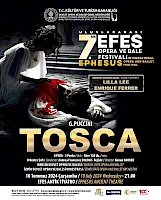
A. Ephesus Culture and Arts Festival
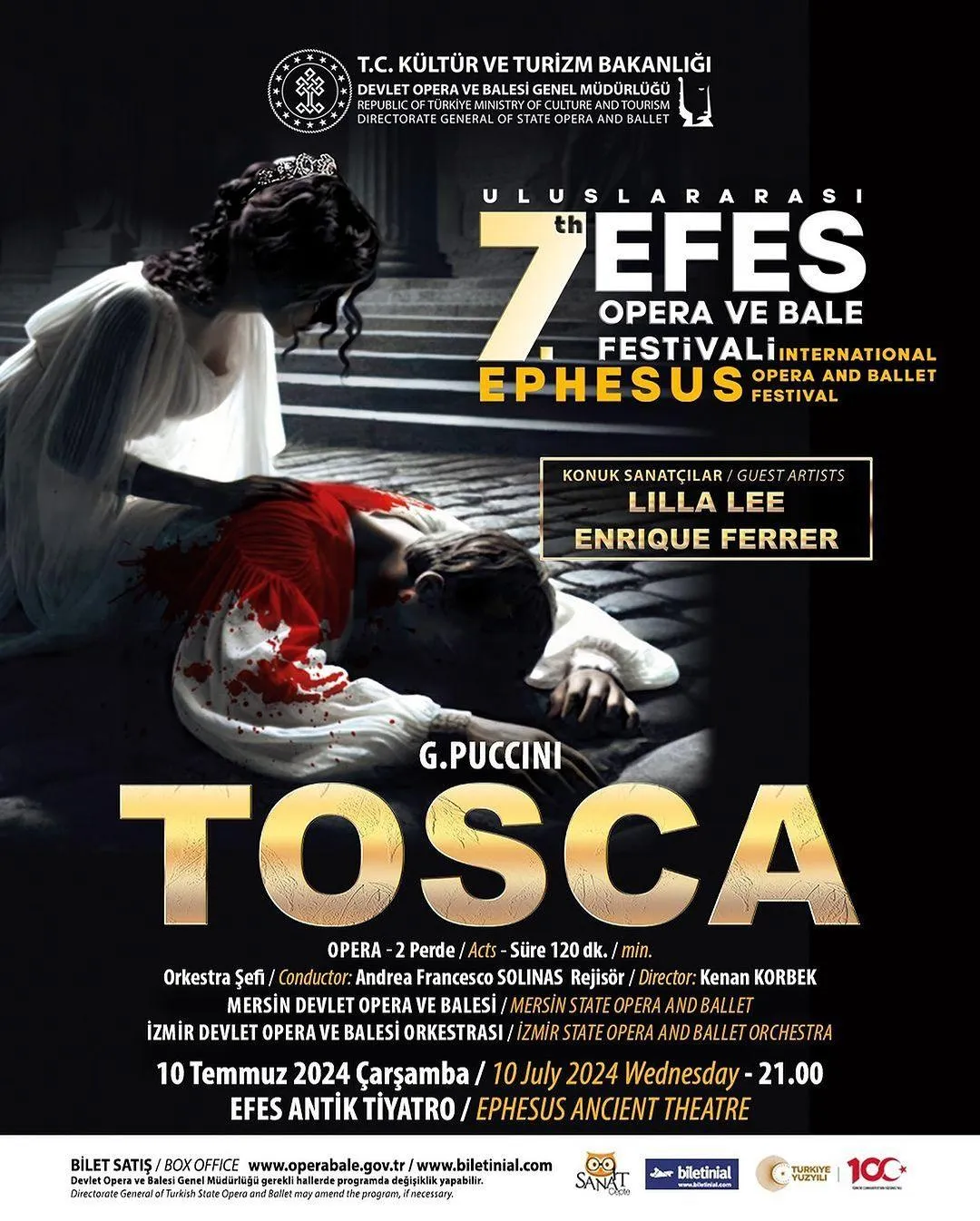
- Overview: This contemporary festival takes place annually, celebrating the rich cultural heritage of Ephesus and the surrounding region.
- Activities: The festival features art exhibitions, musical performances, dance, and theater, attracting local and international artists. Workshops and seminars may also be included, focusing on traditional crafts and art forms.
- Cultural Significance: The festival aims to preserve and promote the cultural legacy of Ephesus, providing a platform for artists and fostering community engagement.
B. Selçuk Ephesus International Film Festival
- Overview: Held in Selçuk, this film festival celebrates cinema and showcases films from around the world.
- Activities: The festival includes screenings, panel discussions, and awards for outstanding films. It often features themes related to cultural heritage, history, and social issues.
- Cultural Impact: By bringing filmmakers and audiences together, the festival promotes artistic expression and highlights the importance of storytelling in preserving history.
3. Religious Celebrations
A. Pilgrimages to the House of the Virgin Mary
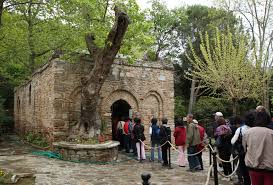
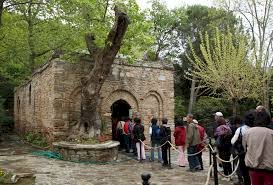
- Overview: Located near Ephesus, the House of the Virgin Mary is a significant pilgrimage site for Christians. Annually, many pilgrims visit to honor Mary and seek spiritual renewal.
- Activities: Pilgrims engage in prayer, reflection, and ceremonies that celebrate the significance of Mary in Christian faith.
- Cultural Importance: The pilgrimage reflects the religious diversity and significance of Ephesus, connecting the ancient city to contemporary spiritual practices.
4. Tips for Enjoying Festivals in Ephesus
- Plan Ahead: If you wish to attend a specific festival, check the dates and schedule in advance. Some festivals may require tickets or reservations.
- Engage with Locals: Participate in local customs and traditions during festivals. Engaging with residents can enhance your experience and provide deeper insight into Ephesus's cultural heritage.
- Explore Nearby Attractions: Festivals often coincide with local events, making it a great opportunity to explore nearby attractions in Selçuk and other areas around Ephesus.
- Enjoy Local Cuisine: Festivals typically feature food stalls or local vendors. Take the opportunity to try traditional Turkish dishes and beverages.
5. Conclusion
Ephesus’s festivals and ancient celebrations reflect the city’s rich cultural and religious heritage, offering visitors a unique glimpse into its historical significance. From the grand Festival of Artemis in ancient times to contemporary arts and cultural events, these celebrations continue to shape the identity of Ephesus. Whether you’re wandering through ancient ruins during a festival or participating in modern cultural events, Ephesus provides a vibrant backdrop for experiencing the spirit of this extraordinary city.
Introduction
Discover the fascinating world of A Guide to Ephesus’ Festivals and Ancient Celebrations in ancient Ephesus. This comprehensive guide explores the historical significance, archaeological findings, and cultural impact of this remarkable aspect of Ephesian heritage.
Historical Background
The history of A Guide to Ephesus’ Festivals and Ancient Celebrations dates back to the early days of Ephesus. Archaeological evidence suggests that this aspect of Ephesian life played a crucial role in shaping the city's development and cultural identity.
Archaeological Discoveries
Recent excavations have unveiled remarkable findings related to A Guide to Ephesus’ Festivals and Ancient Celebrations. These discoveries provide valuable insights into how this aspect of Ephesian life evolved over time.
Visitor Information
Today, visitors to Ephesus can explore the remnants of A Guide to Ephesus’ Festivals and Ancient Celebrations firsthand. This section provides practical information for making the most of your visit.
Preservation and Future
Ongoing conservation efforts ensure that A Guide to Ephesus’ Festivals and Ancient Celebrations remains preserved for future generations. Learn about the challenges and successes in maintaining this important historical site.
Frequently Asked Questions
What is the historical significance of A Guide to Ephesus’ Festivals and Ancient Celebrations?
The A Guide to Ephesus’ Festivals and Ancient Celebrations holds great historical importance in ancient Ephesus, providing valuable insights into the city's cultural and social development.
What can visitors see related to A Guide to Ephesus’ Festivals and Ancient Celebrations today?
Visitors to Ephesus can explore well-preserved remains and artifacts related to A Guide to Ephesus’ Festivals and Ancient Celebrations, offering a glimpse into the ancient world.
When is the best time to visit A Guide to Ephesus’ Festivals and Ancient Celebrations?
The best time to visit is during the spring (April-May) or autumn (September-October) when the weather is mild and crowds are smaller.
Frequently Asked Questions
What is the historical significance of A Guide to Ephesus’ Festivals and Ancient Celebrations?
The A Guide to Ephesus’ Festivals and Ancient Celebrations holds great historical importance in ancient Ephesus, providing valuable insights into the city's cultural and social development.
What can visitors see related to A Guide to Ephesus’ Festivals and Ancient Celebrations today?
Visitors to Ephesus can explore well-preserved remains and artifacts related to A Guide to Ephesus’ Festivals and Ancient Celebrations, offering a glimpse into the ancient world.
When is the best time to visit A Guide to Ephesus’ Festivals and Ancient Celebrations?
The best time to visit is during the spring (April-May) or autumn (September-October) when the weather is mild and crowds are smaller.
Frequently Asked Questions
What is the historical significance of A Guide to Ephesus’ Festivals and Ancient Celebrations?
The A Guide to Ephesus’ Festivals and Ancient Celebrations holds great historical importance in ancient Ephesus, providing valuable insights into the city's cultural and social development.
What can visitors see related to A Guide to Ephesus’ Festivals and Ancient Celebrations today?
Visitors to Ephesus can explore well-preserved remains and artifacts related to A Guide to Ephesus’ Festivals and Ancient Celebrations, offering a glimpse into the ancient world.
When is the best time to visit A Guide to Ephesus’ Festivals and Ancient Celebrations?
The best time to visit is during the spring (April-May) or autumn (September-October) when the weather is mild and crowds are smaller.