

Ephesus: A Meeting Point of Ancient Faiths and Cultures
Ephesus, one of the most influential cities of the ancient world, was more than just a hub of trade and commerce—it was a place where diverse cultures and religious beliefs converged. Located on the Aegean coast of what is now Turkey, Ephesus was home to people from across the Mediterranean, each bringing their own traditions, beliefs, and practices. From the grand Temple of Artemis to early Christian churches, Ephesus stands as a testament to the city’s role as a meeting point of faiths and cultures, offering a window into the spiritual and cultural mosaic of the ancient world.
The Temple of Artemis: A Center of Pagan Worship
The Temple of Artemis, one of the Seven Wonders of the Ancient World, was dedicated to the goddess of the hunt and fertility. The temple drew worshippers from across the region, creating a vibrant center of pagan worship. This sacred space symbolized Ephesus’s deep connection to Greek religion, where festivals and rituals celebrated the power and beauty of Artemis. As a city with Greek roots, Ephesus embraced the worship of the Olympian gods, integrating its spiritual life into the broader cultural traditions of the Hellenistic world. The Temple of Artemis reflects the devotion of the city’s people and their reverence for a deity who was believed to protect the city and its inhabitants.
The Influence of Early Christianity
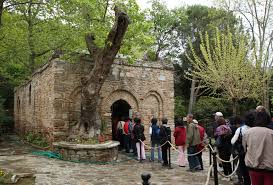
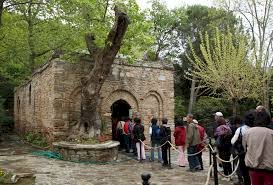
Ephesus also holds a special place in Christian history. The Apostle Paul spent significant time in Ephesus, establishing a Christian community and spreading the teachings of Jesus. His Epistle to the Ephesians is a cornerstone of Christian scripture, reflecting the impact of Paul’s work in the city. Ephesus later became one of the Seven Churches of Revelation, highlighting its importance in the spread of early Christianity. The city is also associated with the Apostle John, who is believed to have cared for the Virgin Mary in her final years. The Basilica of St. John, built over his supposed tomb, became a major pilgrimage site, underscoring Ephesus’s role as a spiritual center for Christians. These connections to early Christianity demonstrate Ephesus’s role in the growth of the faith and its influence on religious life in the region.
A Jewish Presence in the Ancient City
Ephesus was also home to a significant Jewish community, contributing to the city’s religious diversity. The presence of synagogues and Jewish merchants highlights the role of Jewish culture in the city’s social and economic life. This Jewish presence brought with it traditions and beliefs that further enriched the cultural tapestry of Ephesus, creating an environment where different faiths coexisted and interacted. The multicultural nature of Ephesus fostered an atmosphere of tolerance, where various religious groups could practice their beliefs. This diversity reflects the city’s role as a meeting point for people of different backgrounds, each contributing to the richness of Ephesian society.
The Intersection of Roman and Greek Influences
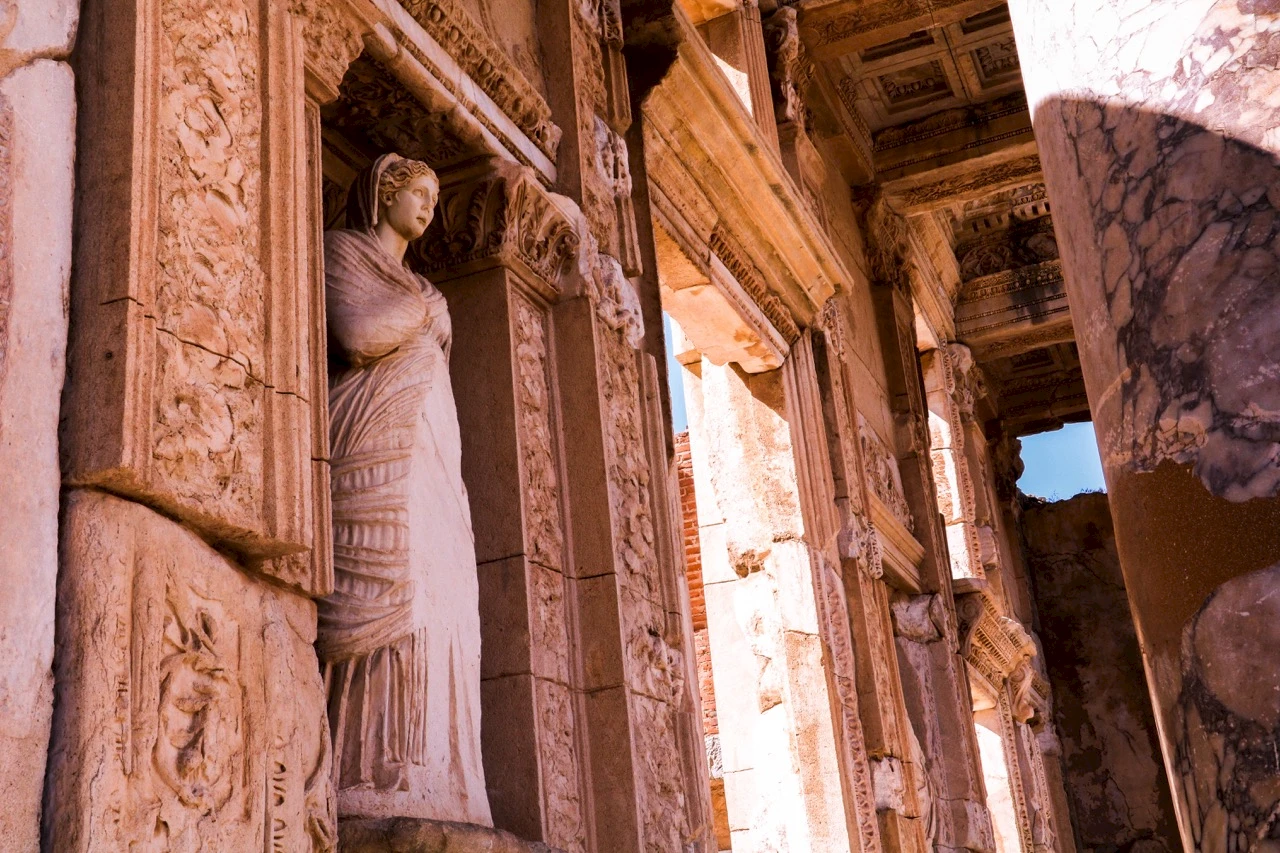
Under Roman rule, Ephesus continued to thrive as a cultural crossroads, blending Greek and Roman traditions. The city’s architecture, including its temples, theaters, and public baths, showcased Roman engineering and artistry while retaining Greek elements. The Romans embraced the worship of their gods alongside Greek deities, with temples dedicated to emperors and divine figures like Hadrian and Artemis. This cultural synthesis allowed Ephesus to flourish as a cosmopolitan city where people could experience the best of both Greek and Roman worlds. The influence of these two powerful civilizations left a lasting mark on Ephesus, shaping its cultural identity and contributing to its role as a center of artistic and intellectual exchange.
Ephesus Today: A Legacy of Diversity and Tolerance
Today, the ruins of Ephesus reflect its legacy as a meeting point of ancient faiths and cultures. Visitors can walk among the remains of temples, churches, and synagogues, experiencing the layers of history that tell the story of a city where diverse beliefs came together. Ephesus offers a unique perspective on the ways in which ancient cultures coexisted, each contributing to a shared heritage that continues to inspire awe and respect. For those interested in exploring the history of Ephesus and its religious heritage, visit the Wikipedia page on Ephesus. To experience this city’s enduring legacy, consider a guided tour with Ephesus Tours, where the stories of faith, culture, and community come alive amidst the ruins.
Introduction
Discover the fascinating world of Ephesus: A Meeting Point of Ancient Faiths and Cultures in ancient Ephesus. This comprehensive guide explores the historical significance, archaeological findings, and cultural impact of this remarkable aspect of Ephesian heritage.
Historical Background
The history of Ephesus: A Meeting Point of Ancient Faiths and Cultures dates back to the early days of Ephesus. Archaeological evidence suggests that this aspect of Ephesian life played a crucial role in shaping the city's development and cultural identity.
Archaeological Discoveries
Recent excavations have unveiled remarkable findings related to Ephesus: A Meeting Point of Ancient Faiths and Cultures. These discoveries provide valuable insights into how this aspect of Ephesian life evolved over time.
Cultural Significance
Understanding Ephesus: A Meeting Point of Ancient Faiths and Cultures is crucial for appreciating the broader cultural context of ancient Ephesus. Its influence extended beyond the city walls, impacting trade, religion, and daily life.
Visitor Information
Today, visitors to Ephesus can explore the remnants of Ephesus: A Meeting Point of Ancient Faiths and Cultures firsthand. This section provides practical information for making the most of your visit.
Preservation and Future
Ongoing conservation efforts ensure that Ephesus: A Meeting Point of Ancient Faiths and Cultures remains preserved for future generations. Learn about the challenges and successes in maintaining this important historical site.
Frequently Asked Questions
What is the historical significance of Ephesus: A Meeting Point of Ancient Faiths and Cultures?
The Ephesus: A Meeting Point of Ancient Faiths and Cultures holds great historical importance in ancient Ephesus, providing valuable insights into the city's cultural and social development.
What can visitors see related to Ephesus: A Meeting Point of Ancient Faiths and Cultures today?
Visitors to Ephesus can explore well-preserved remains and artifacts related to Ephesus: A Meeting Point of Ancient Faiths and Cultures, offering a glimpse into the ancient world.
When is the best time to visit Ephesus: A Meeting Point of Ancient Faiths and Cultures?
The best time to visit is during the spring (April-May) or autumn (September-October) when the weather is mild and crowds are smaller.
Frequently Asked Questions
What is the historical significance of Ephesus: A Meeting Point of Ancient Faiths and Cultures?
The Ephesus: A Meeting Point of Ancient Faiths and Cultures holds great historical importance in ancient Ephesus, providing valuable insights into the city's cultural and social development.
What can visitors see related to Ephesus: A Meeting Point of Ancient Faiths and Cultures today?
Visitors to Ephesus can explore well-preserved remains and artifacts related to Ephesus: A Meeting Point of Ancient Faiths and Cultures, offering a glimpse into the ancient world.
When is the best time to visit Ephesus: A Meeting Point of Ancient Faiths and Cultures?
The best time to visit is during the spring (April-May) or autumn (September-October) when the weather is mild and crowds are smaller.
Frequently Asked Questions
What is the historical significance of Ephesus: A Meeting Point of Ancient Faiths and Cultures?
The Ephesus: A Meeting Point of Ancient Faiths and Cultures holds great historical importance in ancient Ephesus, providing valuable insights into the city's cultural and social development.
What can visitors see related to Ephesus: A Meeting Point of Ancient Faiths and Cultures today?
Visitors to Ephesus can explore well-preserved remains and artifacts related to Ephesus: A Meeting Point of Ancient Faiths and Cultures, offering a glimpse into the ancient world.
When is the best time to visit Ephesus: A Meeting Point of Ancient Faiths and Cultures?
The best time to visit is during the spring (April-May) or autumn (September-October) when the weather is mild and crowds are smaller.