

Exploring Ephesus: The City of the Bee and the Mother Goddess
Ephesus, one of the most celebrated cities of the ancient world, holds deep connections to the symbolism of the bee and the veneration of the Mother Goddess. Known for the Temple of Artemis, Ephesus was a center of religious devotion where worshippers honored a goddess associated with fertility, nature, and protection. The bee, a sacred symbol linked to the goddess, represents community, productivity, and the natural cycles of life. Exploring Ephesus through the lens of the bee and the Mother Goddess reveals a rich spiritual heritage that shaped the city’s identity and its people’s beliefs.
The Bee: A Symbol of Divine Connection
In ancient Ephesus, the bee was more than just an insect; it was a revered symbol associated with the goddess Artemis and her priestesses. Known as the melissae, or “bees,” the priestesses of Artemis embodied the virtues of dedication, cooperation, and spiritual insight. The bee symbolized the connection between the goddess and her followers, representing fertility and the nurturing power of nature. The Ephesians believed that bees carried divine messages, acting as intermediaries between the human and spiritual realms. The honey produced by bees was seen as a gift from the gods, symbolizing the sweetness of life and the blessings of the goddess. In this way, the bee became a central symbol of Ephesian spirituality, embodying the relationship between the goddess, her priestesses, and the natural world.
Artemis of Ephesus: The Mother Goddess
Artemis, the patron goddess of Ephesus, was revered as a Mother Goddess who protected the city and its inhabitants. Unlike the Greek Artemis, the goddess worshipped in Ephesus was associated with fertility, motherhood, and abundance. Her temple, one of the Seven Wonders of the Ancient World, was a center of worship where pilgrims came to seek her blessings and pay homage. The statue of Artemis in Ephesus depicted her with multiple breasts or layered objects, symbolizing her role as a provider and nurturer. This unique form of Artemis emphasized her connection to the earth, animals, and all living things. As a Mother Goddess, Artemis represented the cycle of life, from birth to death, reflecting the natural processes that sustained the city and its people.
The Temple of Artemis: A Sacred Sanctuary
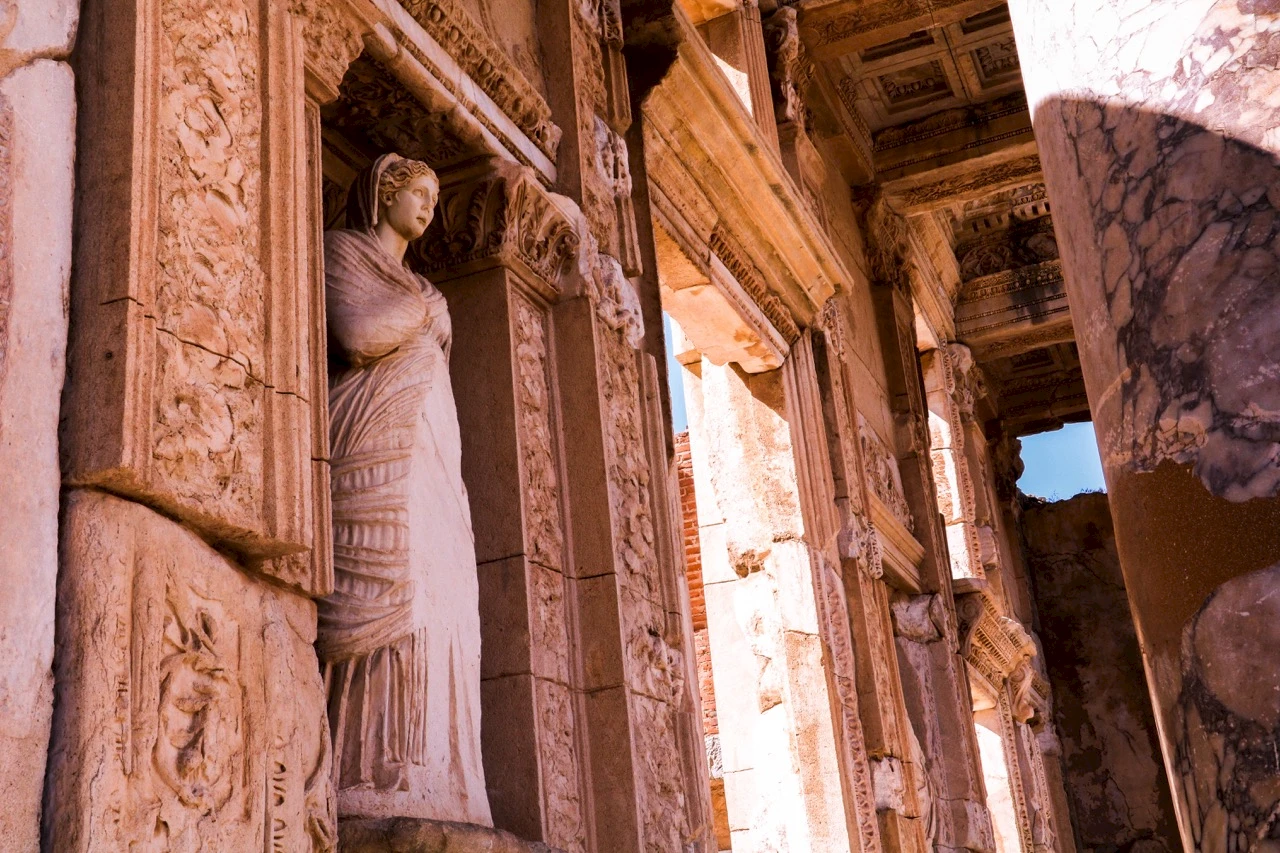
The Temple of Artemis was not only a place of worship but also a sanctuary for the people of Ephesus. The temple’s grand design, with its towering columns and intricate carvings, demonstrated the city’s devotion to the goddess. This sacred space was a refuge where worshippers could connect with the Mother Goddess, seeking guidance, healing, and protection. The priestesses, or melissae, served as guardians of the temple, performing rituals and ceremonies that honored Artemis. These priestesses played a crucial role in the religious life of Ephesus, embodying the goddess’s virtues and acting as her representatives on earth. The temple’s influence extended beyond Ephesus, attracting pilgrims from across the ancient world and reinforcing the city’s status as a spiritual center.
Ephesus and the Legacy of the Bee
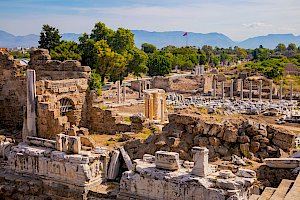
The symbolism of the bee and the worship of the Mother Goddess left a lasting mark on the culture and identity of Ephesus. The city’s connection to Artemis and the bee reflects a worldview that celebrated the interconnectedness of nature, humanity, and the divine. The legacy of this symbolism continues to resonate, drawing visitors who seek to understand the spiritual traditions that shaped one of the ancient world’s most remarkable cities. Today, exploring the ruins of Ephesus provides a glimpse into a time when the bee was seen as a sacred creature, and the Mother Goddess was the heart of the city’s religious life. Walking among the remnants of the Temple of Artemis, travelers can imagine the ceremonies and rituals that once filled the air with the sounds and scents of devotion. For more information on the history of Ephesus and its spiritual heritage, visit the Wikipedia page on Ephesus. To experience this ancient city and its timeless symbols firsthand, consider a guided tour with Ephesus Tours, where the stories of the Mother Goddess and the bee come to life amidst the city’s storied ruins.
Introduction
Discover the fascinating world of Exploring Ephesus: The City of the Bee and the Mother God... in ancient Ephesus. This comprehensive guide explores the historical significance, archaeological findings, and cultural impact of this remarkable aspect of Ephesian heritage.
Historical Background
The history of Exploring Ephesus: The City of the Bee and the Mother God... dates back to the early days of Ephesus. Archaeological evidence suggests that this aspect of Ephesian life played a crucial role in shaping the city's development and cultural identity.
Archaeological Discoveries
Recent excavations have unveiled remarkable findings related to Exploring Ephesus: The City of the Bee and the Mother God.... These discoveries provide valuable insights into how this aspect of Ephesian life evolved over time.
Cultural Significance
Understanding Exploring Ephesus: The City of the Bee and the Mother God... is crucial for appreciating the broader cultural context of ancient Ephesus. Its influence extended beyond the city walls, impacting trade, religion, and daily life.
Visitor Information
Today, visitors to Ephesus can explore the remnants of Exploring Ephesus: The City of the Bee and the Mother God... firsthand. This section provides practical information for making the most of your visit.
Preservation and Future
Ongoing conservation efforts ensure that Exploring Ephesus: The City of the Bee and the Mother God... remains preserved for future generations. Learn about the challenges and successes in maintaining this important historical site.
Frequently Asked Questions
What is the historical significance of Exploring Ephesus: The City of the Bee and the Mother God...?
The Exploring Ephesus: The City of the Bee and the Mother God... holds great historical importance in ancient Ephesus, providing valuable insights into the city's cultural and social development.
What can visitors see related to Exploring Ephesus: The City of the Bee and the Mother God... today?
Visitors to Ephesus can explore well-preserved remains and artifacts related to Exploring Ephesus: The City of the Bee and the Mother God..., offering a glimpse into the ancient world.
When is the best time to visit Exploring Ephesus: The City of the Bee and the Mother God...?
The best time to visit is during the spring (April-May) or autumn (September-October) when the weather is mild and crowds are smaller.
Frequently Asked Questions
What is the historical significance of Exploring Ephesus: The City of the Bee and the Mother God...?
The Exploring Ephesus: The City of the Bee and the Mother God... holds great historical importance in ancient Ephesus, providing valuable insights into the city's cultural and social development.
What can visitors see related to Exploring Ephesus: The City of the Bee and the Mother God... today?
Visitors to Ephesus can explore well-preserved remains and artifacts related to Exploring Ephesus: The City of the Bee and the Mother God..., offering a glimpse into the ancient world.
When is the best time to visit Exploring Ephesus: The City of the Bee and the Mother God...?
The best time to visit is during the spring (April-May) or autumn (September-October) when the weather is mild and crowds are smaller.
Frequently Asked Questions
What is the historical significance of Exploring Ephesus: The City of the Bee and the Mother God...?
The Exploring Ephesus: The City of the Bee and the Mother God... holds great historical importance in ancient Ephesus, providing valuable insights into the city's cultural and social development.
What can visitors see related to Exploring Ephesus: The City of the Bee and the Mother God... today?
Visitors to Ephesus can explore well-preserved remains and artifacts related to Exploring Ephesus: The City of the Bee and the Mother God..., offering a glimpse into the ancient world.
When is the best time to visit Exploring Ephesus: The City of the Bee and the Mother God...?
The best time to visit is during the spring (April-May) or autumn (September-October) when the weather is mild and crowds are smaller.