

How to Visit Ephesus: A Comprehensive Guide
Discover essential tips for visiting Ephesus, including transportation options, key attractions, and practical advice for an unforgettable experience at this ancient city. Ephesus, one of the most important archaeological sites in the world, offers a fascinating glimpse into ancient civilization. Whether you're a history buff or a casual traveler, visiting Ephesus is a rewarding experience. Here’s a comprehensive guide on how to visit Ephesus, covering everything from transportation to must-see attractions.
1. Getting to Ephesus
Transportation Options:
A. By Air
- Izmir Adnan Menderes Airport: The nearest major airport, located about 60 km (37 miles) from Ephesus. You can take a shuttle, taxi, or bus to reach Selçuk, the town closest to Ephesus.
B. By Bus
- Intercity Buses: Regular bus services operate from major cities like Izmir, Bodrum, and Pamukkale to Selçuk. This is one of the most affordable and convenient options for reaching Ephesus.
C. By Train
- Train Services: Trains from Izmir to Selçuk run regularly and offer a scenic route. The train station in Selçuk is within walking distance of the entrance to Ephesus.
D. By Car
- Renting a Car: Renting a car provides flexibility for your trip. Ensure you have GPS or a map for navigation.
2. Where to Stay
Accommodation Options:
- Selçuk: This town is the best base for visiting Ephesus, offering a range of accommodations, from budget hostels to boutique hotels. Staying in Selçuk allows for easy access to the ruins.
- Kuşadası: About 20 km (12 miles) from Ephesus, this coastal town offers beachside hotels and vibrant nightlife, ideal for travelers seeking relaxation after a day of exploration.
3. Entry Fees and Tickets
Admission Costs:
- Be prepared to pay an entry fee to access the archaeological site of Ephesus. Look for combined tickets that provide access to multiple attractions, such as the Terrace Houses and the Ephesus Archaeological Museum, for better value.
4. Must-See Attractions in Ephesus
Key Sites:
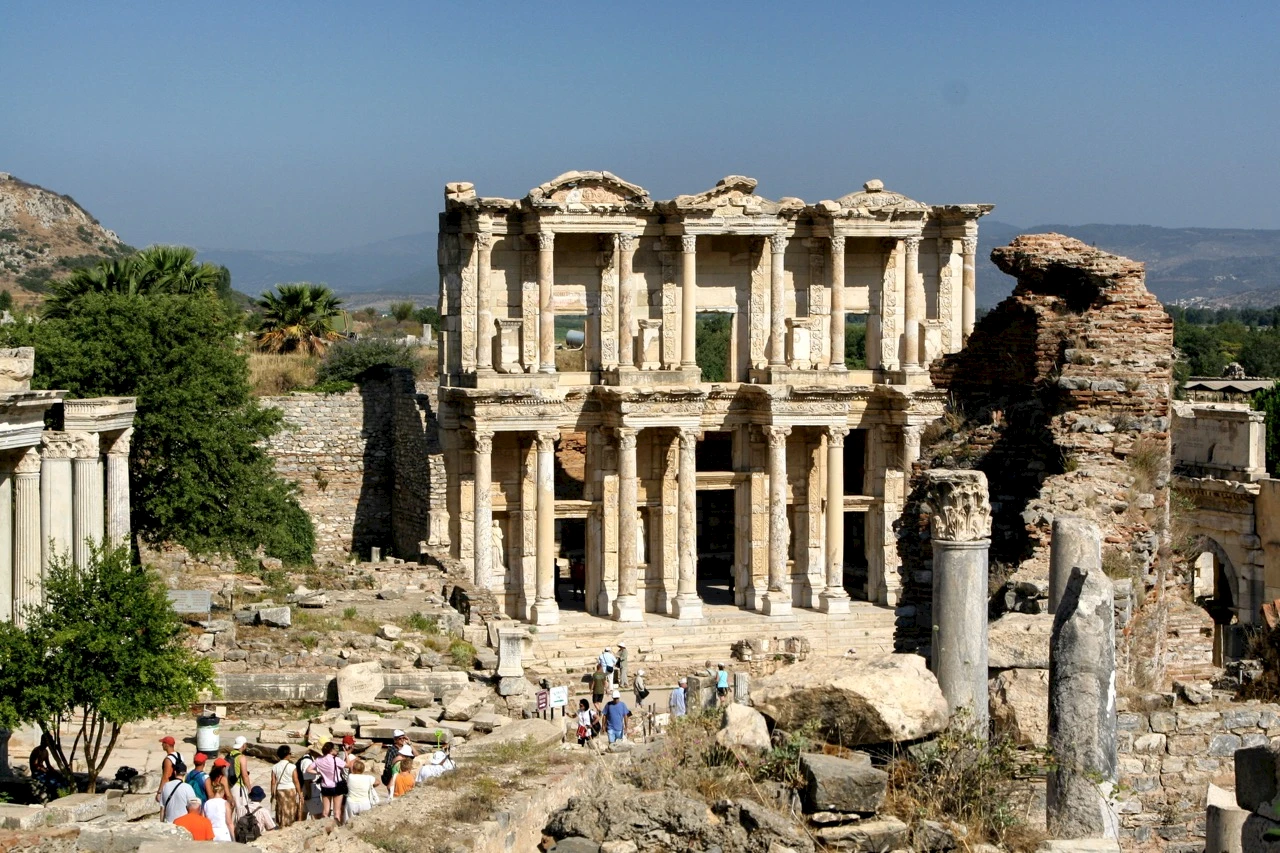
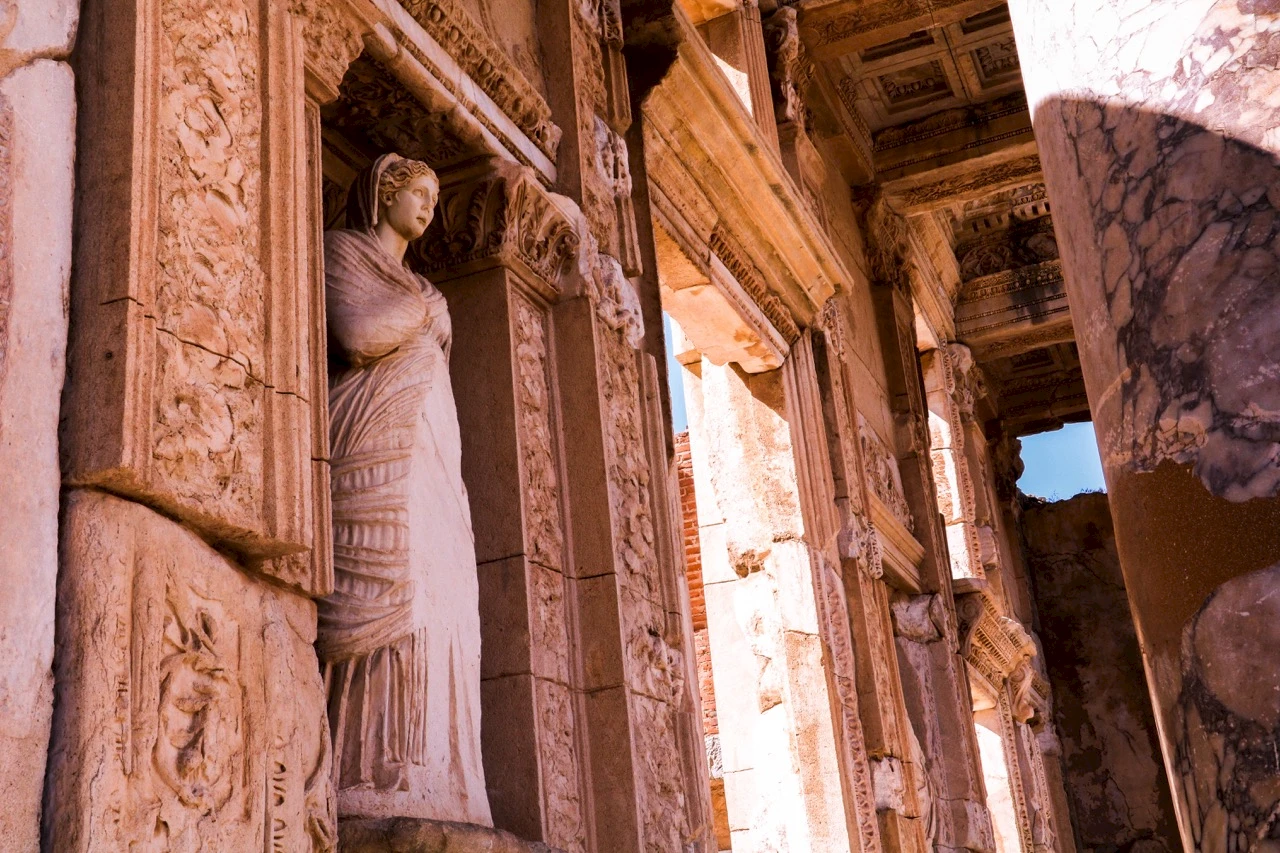
- Library of Celsus: One of the most iconic structures, showcasing impressive architecture and historical significance.
- Great Theatre: An enormous amphitheater that could seat around 25,000 spectators, known for its remarkable acoustics.
- Temple of Artemis (Site of): Once one of the Seven Wonders of the Ancient World, only ruins remain, but it’s worth a visit for its historical context.
- Terrace Houses: Explore the well-preserved homes of Ephesus’s wealthy citizens, featuring stunning mosaics and frescoes.
- Agora: The city’s commercial center, where you can imagine the vibrant market life that once thrived here.
5. Preparing for Your Visit
What to Wear:
- Dress comfortably for walking, as you will be exploring ancient ruins. Lightweight, breathable clothing and sturdy shoes are recommended.
Stay Hydrated:
- Bring a refillable water bottle to stay hydrated, especially during warmer months when temperatures can rise significantly.
6. Guided Tours vs. Self-Guided Exploration
Guided Tours:
- Consider joining a guided tour for a more informative experience. Knowledgeable guides can provide insights into the history and significance of the sites.
Self-Guided Exploration:
- If you prefer to explore at your own pace, consider downloading a mobile app or guidebook for information about the sites.
7. Local Cuisine and Dining Options
Where to Eat:
- After exploring Ephesus, head to local restaurants in Selçuk for traditional Turkish cuisine. Try dishes like kebabs, pide (Turkish pizza), and mezes (small plates).
Street Food:
- Don’t miss out on local street food options, such as simit (sesame bread) or döner kebab, for a quick and delicious meal.
8. Cultural Considerations
Respect Local Customs:
- Dress modestly when visiting religious sites, and be respectful of local traditions and customs.
9. Safety Tips
Stay Aware:
- While Ephesus is generally safe, always be aware of your surroundings. Keep an eye on your belongings and avoid secluded areas after dark.
10. Conclusion
Visiting Ephesus is a rewarding experience that offers a unique glimpse into ancient civilization. By planning your trip thoughtfully and considering transportation, accommodation, and key attractions, you can make the most of your visit to this remarkable site. Whether you’re wandering through the impressive ruins or savoring local cuisine, Ephesus promises to be an unforgettable part of your journey in Turkey.
Introduction
Discover the fascinating world of How to Visit Ephesus: A Comprehensive Guide in ancient Ephesus. This comprehensive guide explores the historical significance, archaeological findings, and cultural impact of this remarkable aspect of Ephesian heritage.
Historical Background
The history of How to Visit Ephesus: A Comprehensive Guide dates back to the early days of Ephesus. Archaeological evidence suggests that this aspect of Ephesian life played a crucial role in shaping the city's development and cultural identity.
Archaeological Discoveries
Recent excavations have unveiled remarkable findings related to How to Visit Ephesus: A Comprehensive Guide. These discoveries provide valuable insights into how this aspect of Ephesian life evolved over time.
Cultural Significance
Understanding How to Visit Ephesus: A Comprehensive Guide is crucial for appreciating the broader cultural context of ancient Ephesus. Its influence extended beyond the city walls, impacting trade, religion, and daily life.
Visitor Information
Today, visitors to Ephesus can explore the remnants of How to Visit Ephesus: A Comprehensive Guide firsthand. This section provides practical information for making the most of your visit.
Preservation and Future
Ongoing conservation efforts ensure that How to Visit Ephesus: A Comprehensive Guide remains preserved for future generations. Learn about the challenges and successes in maintaining this important historical site.
Frequently Asked Questions
What is the historical significance of How to Visit Ephesus: A Comprehensive Guide?
The How to Visit Ephesus: A Comprehensive Guide holds great historical importance in ancient Ephesus, providing valuable insights into the city's cultural and social development.
What can visitors see related to How to Visit Ephesus: A Comprehensive Guide today?
Visitors to Ephesus can explore well-preserved remains and artifacts related to How to Visit Ephesus: A Comprehensive Guide, offering a glimpse into the ancient world.
When is the best time to visit How to Visit Ephesus: A Comprehensive Guide?
The best time to visit is during the spring (April-May) or autumn (September-October) when the weather is mild and crowds are smaller.
Frequently Asked Questions
What is the historical significance of How to Visit Ephesus: A Comprehensive Guide?
The How to Visit Ephesus: A Comprehensive Guide holds great historical importance in ancient Ephesus, providing valuable insights into the city's cultural and social development.
What can visitors see related to How to Visit Ephesus: A Comprehensive Guide today?
Visitors to Ephesus can explore well-preserved remains and artifacts related to How to Visit Ephesus: A Comprehensive Guide, offering a glimpse into the ancient world.
When is the best time to visit How to Visit Ephesus: A Comprehensive Guide?
The best time to visit is during the spring (April-May) or autumn (September-October) when the weather is mild and crowds are smaller.
Frequently Asked Questions
What is the historical significance of How to Visit Ephesus: A Comprehensive Guide?
The How to Visit Ephesus: A Comprehensive Guide holds great historical importance in ancient Ephesus, providing valuable insights into the city's cultural and social development.
What can visitors see related to How to Visit Ephesus: A Comprehensive Guide today?
Visitors to Ephesus can explore well-preserved remains and artifacts related to How to Visit Ephesus: A Comprehensive Guide, offering a glimpse into the ancient world.
When is the best time to visit How to Visit Ephesus: A Comprehensive Guide?
The best time to visit is during the spring (April-May) or autumn (September-October) when the weather is mild and crowds are smaller.