
A Guide to Entrance Fees for Ephesus’ Historical Sites
Ephesus, one of Turkey’s most famous ancient cities, offers a range of historical attractions that provide a glimpse into the past. From the main archaeological site to the nearby Terrace Houses and religious landmarks, each location has its own entry fee. This guide will help you understand the costs of visiting Ephesus and its surrounding sites, allowing you to plan your trip with ease.
1. Main Entrance Fee for Ephesus Archaeological Site
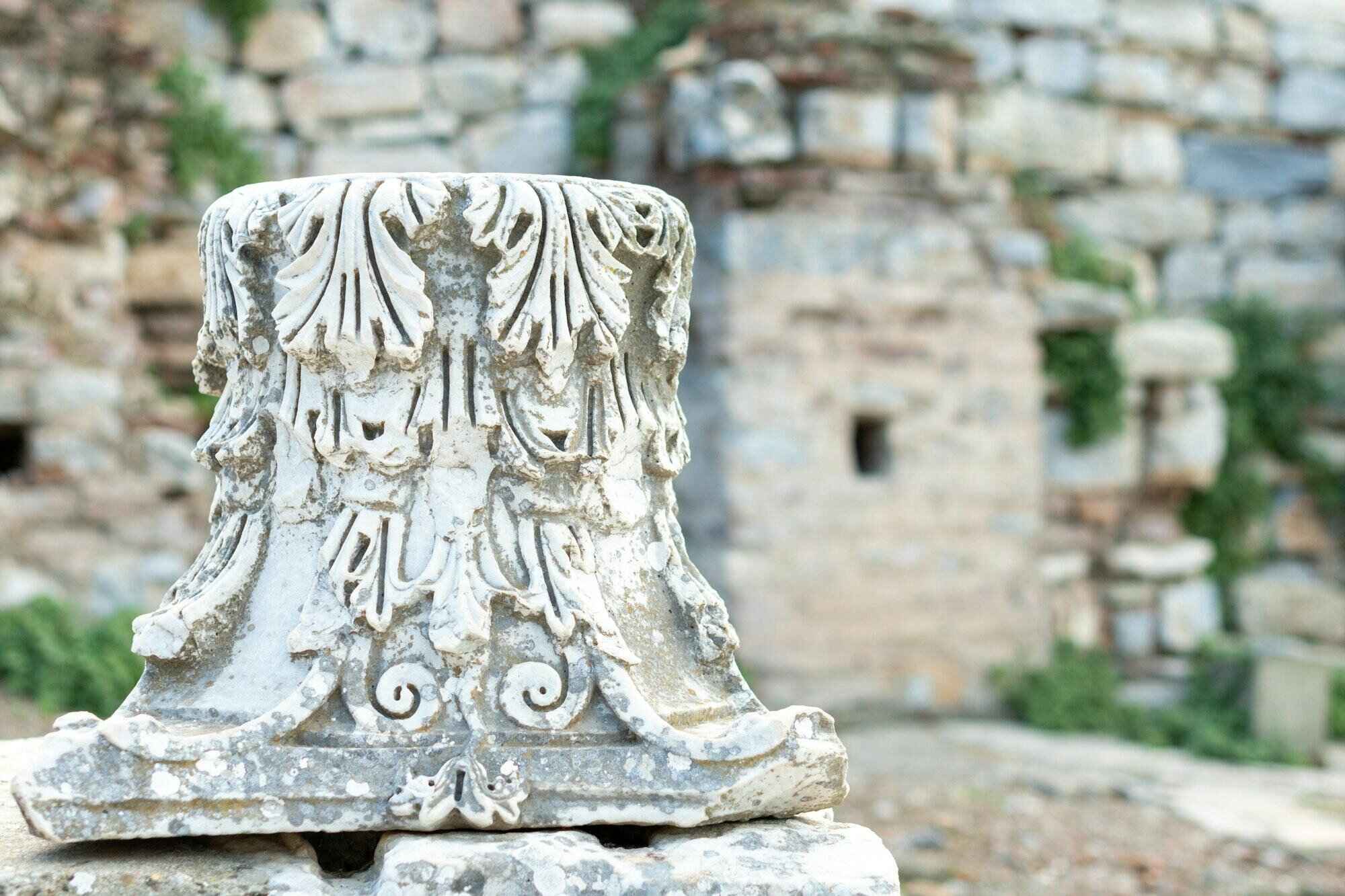
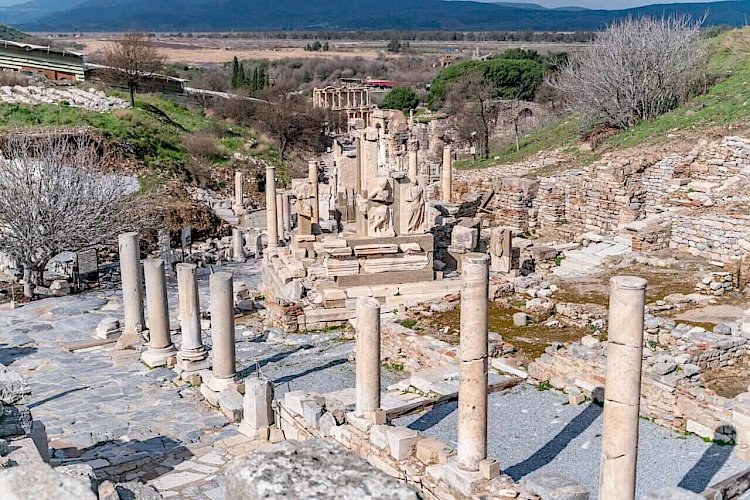
The primary site at Ephesus, which includes the Great Theatre, Library of Celsus, and Curetes Street, requires an entry ticket for access. The fee for the main site is approximately 400 Turkish Lira (TRY) per adult. Children under the age of six can typically enter for free. The main site is expansive, and visitors are advised to allow at least two to three hours to fully explore its landmarks.
2. Terrace Houses
The Terrace Houses, a section within the main Ephesus site, feature beautifully preserved frescoes, mosaics, and the luxurious homes of ancient Ephesian elites. Access to the Terrace Houses requires an additional ticket, priced at around 85 TRY. This area provides a more detailed look into the daily life of Ephesus’s wealthy residents and is a highlight for those interested in art and architecture.
3. The Basilica of St. John
Located near Ephesus in the town of Selçuk, the Basilica of St. John is believed to be the burial site of John the Apostle. Entry to the basilica costs around 50 TRY. The site includes impressive ruins, with columns, arches, and a peaceful setting that offers a sense of the city’s early Christian history. Many visitors find this site to be a worthwhile addition to their Ephesus itinerary.
4. The House of the Virgin Mary
Situated on Mount Koressos, the House of the Virgin Mary is a revered pilgrimage site believed to be where Mary spent her final years. The entry fee is approximately 100 TRY, and the site features a small chapel, prayer walls, and fountains. The serene setting and spiritual significance of the House of the Virgin Mary make it a meaningful stop for many visitors.
5. Ephesus Museum in Selçuk
For those interested in learning more about the artifacts found at Ephesus, the Ephesus Museum in Selçuk is a must-visit. The museum houses statues, jewelry, and other relics from the site, providing context for the ancient city’s history. The entry fee for the museum is typically around 60 TRY. Visiting the museum before or after exploring Ephesus can enhance your understanding of the city’s cultural heritage.
6. Temple of Artemis
Although only a few columns remain of the once-grand Temple of Artemis, one of the Seven Wonders of the Ancient World, the site is open to the public free of charge. While there is no entrance fee, visitors may wish to make a small donation to local guides or purchase souvenirs from vendors near the site. The Temple of Artemis holds historical significance as a center of worship and reflects the religious devotion of ancient Ephesus.
Additional Tips for Visiting Ephesus
- Museum Pass: If you plan to visit multiple sites in Turkey, consider purchasing a Museum Pass, which provides access to a variety of historical sites, including Ephesus, at a reduced rate.
- Guided Tours: For a more in-depth experience, guided tours are available for Ephesus and its surrounding sites. Tour prices vary, but many include entrance fees and transportation.
- Check for Updates: Entrance fees can fluctuate, so it’s advisable to check current prices before your visit. Online resources or local tourist information centers can provide the latest information.
Understanding the entrance fees for Ephesus’s historical sites will help you make the most of your visit. Whether you’re exploring the main ruins, admiring the Terrace Houses, or visiting nearby religious sites, Ephesus offers a wealth of experiences that capture the essence of ancient Anatolia. For more details on Ephesus, visit the Wikipedia page on Ephesus. To plan a guided tour of the city’s landmarks, consider Ephesus Tours, where you can discover the history and beauty of one of Turkey’s most remarkable archaeological sites.
Introduction
Discover the fascinating world of A Guide to Entrance Fees for Ephesus’ Historical Sites in ancient Ephesus. This comprehensive guide explores the historical significance, archaeological findings, and cultural impact of this remarkable aspect of Ephesian heritage.
Historical Background
The history of A Guide to Entrance Fees for Ephesus’ Historical Sites dates back to the early days of Ephesus. Archaeological evidence suggests that this aspect of Ephesian life played a crucial role in shaping the city's development and cultural identity.
Archaeological Discoveries
Recent excavations have unveiled remarkable findings related to A Guide to Entrance Fees for Ephesus’ Historical Sites. These discoveries provide valuable insights into how this aspect of Ephesian life evolved over time.
Cultural Significance
Understanding A Guide to Entrance Fees for Ephesus’ Historical Sites is crucial for appreciating the broader cultural context of ancient Ephesus. Its influence extended beyond the city walls, impacting trade, religion, and daily life.
Visitor Information
Today, visitors to Ephesus can explore the remnants of A Guide to Entrance Fees for Ephesus’ Historical Sites firsthand. This section provides practical information for making the most of your visit.
Preservation and Future
Ongoing conservation efforts ensure that A Guide to Entrance Fees for Ephesus’ Historical Sites remains preserved for future generations. Learn about the challenges and successes in maintaining this important historical site.
Frequently Asked Questions
What is the historical significance of A Guide to Entrance Fees for Ephesus’ Historical Sites?
The A Guide to Entrance Fees for Ephesus’ Historical Sites holds great historical importance in ancient Ephesus, providing valuable insights into the city's cultural and social development.
What can visitors see related to A Guide to Entrance Fees for Ephesus’ Historical Sites today?
Visitors to Ephesus can explore well-preserved remains and artifacts related to A Guide to Entrance Fees for Ephesus’ Historical Sites, offering a glimpse into the ancient world.
When is the best time to visit A Guide to Entrance Fees for Ephesus’ Historical Sites?
The best time to visit is during the spring (April-May) or autumn (September-October) when the weather is mild and crowds are smaller.
Frequently Asked Questions
What is the historical significance of A Guide to Entrance Fees for Ephesus’ Historical Sites?
The A Guide to Entrance Fees for Ephesus’ Historical Sites holds great historical importance in ancient Ephesus, providing valuable insights into the city's cultural and social development.
What can visitors see related to A Guide to Entrance Fees for Ephesus’ Historical Sites today?
Visitors to Ephesus can explore well-preserved remains and artifacts related to A Guide to Entrance Fees for Ephesus’ Historical Sites, offering a glimpse into the ancient world.
When is the best time to visit A Guide to Entrance Fees for Ephesus’ Historical Sites?
The best time to visit is during the spring (April-May) or autumn (September-October) when the weather is mild and crowds are smaller.
Frequently Asked Questions
What is the historical significance of A Guide to Entrance Fees for Ephesus’ Historical Sites?
The A Guide to Entrance Fees for Ephesus’ Historical Sites holds great historical importance in ancient Ephesus, providing valuable insights into the city's cultural and social development.
What can visitors see related to A Guide to Entrance Fees for Ephesus’ Historical Sites today?
Visitors to Ephesus can explore well-preserved remains and artifacts related to A Guide to Entrance Fees for Ephesus’ Historical Sites, offering a glimpse into the ancient world.
When is the best time to visit A Guide to Entrance Fees for Ephesus’ Historical Sites?
The best time to visit is during the spring (April-May) or autumn (September-October) when the weather is mild and crowds are smaller.