

Rebuilding Ephesus: The Impact of Alexander the Great's Visit
Ephesus, a city of great cultural and economic importance, experienced a period of renewal and prosperity under the influence of Alexander the Great. Known for his vision of creating a unified empire that merged Greek and local cultures, Alexander’s influence extended to the cities he visited and conquered. Ephesus, with its strategic location and architectural grandeur, was no exception. While not as well-documented as some of his other campaigns, Alexander’s impact on Ephesus contributed to the city’s legacy and set the stage for its development during the Hellenistic period.
1. Alexander’s Arrival in Ephesus
In 334 BC, Alexander the Great began his campaign in Asia Minor, defeating the Persian satraps and liberating Greek cities along the coast. When Alexander arrived in Ephesus, the city was under Persian control, and his arrival was seen as a moment of liberation for the Ephesians. By expelling Persian influence, Alexander was welcomed as a hero, and the city became part of his rapidly expanding empire. Alexander’s presence in Ephesus symbolized a shift towards a new era, as he encouraged the spread of Hellenistic culture, architecture, and ideas. His visit paved the way for Ephesus to experience a period of renewal, blending Greek influences with local traditions.
2. Restoration of the Temple of Artemis
Although Alexander’s exact contributions to the Temple of Artemis remain a topic of debate, it’s widely believed that he offered to fund its restoration after it was destroyed by a fire in 356 BC, the very night he was born. The Ephesians declined his offer to rebuild the temple, explaining that it was improper to let a mortal fund the restoration of a temple dedicated to a goddess. Nevertheless, Alexander’s offer underscores his respect for the city’s spiritual heritage and his recognition of the temple as an important religious site. The restoration of the temple continued under the Hellenistic rulers who followed Alexander, and the temple became a significant symbol of the cultural and architectural accomplishments of Ephesus during this era.
3. Influence on Urban Development and Cultural Integration
With Alexander’s arrival, Ephesus became part of a broader cultural and economic network that connected the Greek world with Asia. This integration led to the spread of Hellenistic ideals and innovations in Ephesus, as Greek art, architecture, and learning took root. The influence of Greek culture was evident in the city’s public buildings, sculptures, and coinage, reflecting a blending of Greek and local styles. Under the influence of Alexander’s successors, the city saw the construction of new buildings, enhancements to its infrastructure, and a renewed emphasis on art and philosophy. These developments transformed Ephesus into a Hellenistic hub, making it one of the most important cities in the eastern Mediterranean.
4. Legacy of Hellenistic Ephesus
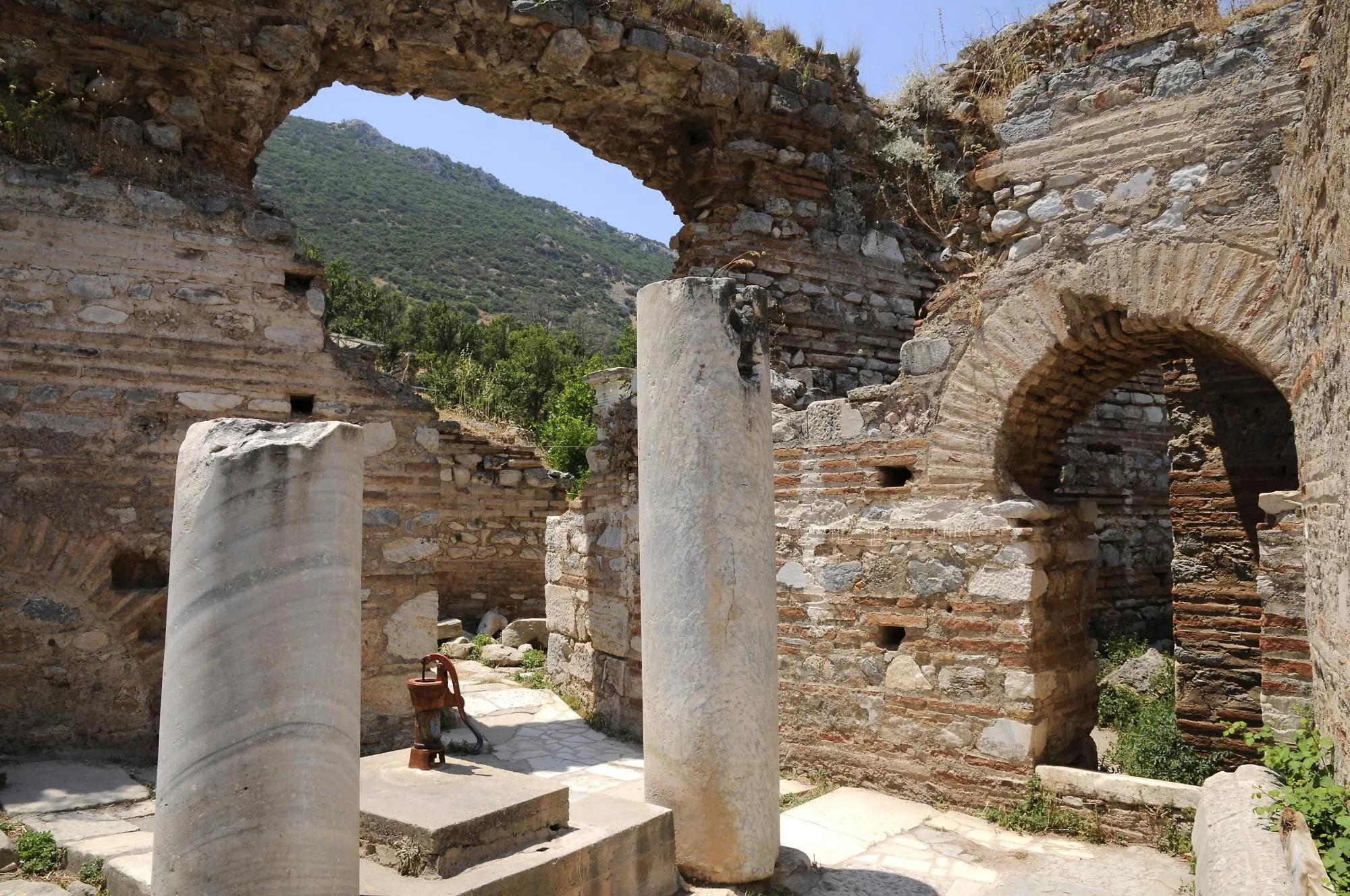
The period following Alexander’s conquest marked a golden age for Ephesus. The city thrived as a center of trade, culture, and learning, attracting scholars, artists, and merchants from across the empire. The influence of Hellenistic ideals and Alexander’s vision for a unified world continued to shape Ephesus for centuries, solidifying its reputation as a major cultural center. Today, the ruins of Ephesus reflect this rich legacy. The city’s Hellenistic and Roman structures, including its theaters, temples, and marketplaces, are a testament to the impact of Alexander’s influence and the era of prosperity that followed his visit. As a bridge between East and West, Ephesus remains a symbol of the cultural and historical achievements inspired by Alexander’s vision. Conclusion Although Alexander the Great’s direct contributions to Ephesus may not be fully documented, his influence on the city’s development is undeniable. By bringing Ephesus into his empire, Alexander helped foster an environment of cultural exchange and renewal, shaping the city’s legacy as a vibrant Hellenistic center. As visitors walk through the ancient streets of Ephesus today, they can still feel the echoes of a time when Alexander’s dream of a united world left its mark on this remarkable city.
For more about the history and legacy of Ephesus, visit the Wikipedia page on Ephesus.
Introduction
Discover the fascinating world of Rebuilding Ephesus: The Impact of Alexander the Great's V... in ancient Ephesus. This comprehensive guide explores the historical significance, archaeological findings, and cultural impact of this remarkable aspect of Ephesian heritage.
Historical Background
The history of Rebuilding Ephesus: The Impact of Alexander the Great's V... dates back to the early days of Ephesus. Archaeological evidence suggests that this aspect of Ephesian life played a crucial role in shaping the city's development and cultural identity.
Archaeological Discoveries
Recent excavations have unveiled remarkable findings related to Rebuilding Ephesus: The Impact of Alexander the Great's V.... These discoveries provide valuable insights into how this aspect of Ephesian life evolved over time.
Cultural Significance
Understanding Rebuilding Ephesus: The Impact of Alexander the Great's V... is crucial for appreciating the broader cultural context of ancient Ephesus. Its influence extended beyond the city walls, impacting trade, religion, and daily life.
Visitor Information
Today, visitors to Ephesus can explore the remnants of Rebuilding Ephesus: The Impact of Alexander the Great's V... firsthand. This section provides practical information for making the most of your visit.
Preservation and Future
Ongoing conservation efforts ensure that Rebuilding Ephesus: The Impact of Alexander the Great's V... remains preserved for future generations. Learn about the challenges and successes in maintaining this important historical site.
Frequently Asked Questions
What is the historical significance of Rebuilding Ephesus: The Impact of Alexander the Great's V...?
The Rebuilding Ephesus: The Impact of Alexander the Great's V... holds great historical importance in ancient Ephesus, providing valuable insights into the city's cultural and social development.
What can visitors see related to Rebuilding Ephesus: The Impact of Alexander the Great's V... today?
Visitors to Ephesus can explore well-preserved remains and artifacts related to Rebuilding Ephesus: The Impact of Alexander the Great's V..., offering a glimpse into the ancient world.
When is the best time to visit Rebuilding Ephesus: The Impact of Alexander the Great's V...?
The best time to visit is during the spring (April-May) or autumn (September-October) when the weather is mild and crowds are smaller.
Frequently Asked Questions
What is the historical significance of Rebuilding Ephesus: The Impact of Alexander the Great's V...?
The Rebuilding Ephesus: The Impact of Alexander the Great's V... holds great historical importance in ancient Ephesus, providing valuable insights into the city's cultural and social development.
What can visitors see related to Rebuilding Ephesus: The Impact of Alexander the Great's V... today?
Visitors to Ephesus can explore well-preserved remains and artifacts related to Rebuilding Ephesus: The Impact of Alexander the Great's V..., offering a glimpse into the ancient world.
When is the best time to visit Rebuilding Ephesus: The Impact of Alexander the Great's V...?
The best time to visit is during the spring (April-May) or autumn (September-October) when the weather is mild and crowds are smaller.
Frequently Asked Questions
What is the historical significance of Rebuilding Ephesus: The Impact of Alexander the Great's V...?
The Rebuilding Ephesus: The Impact of Alexander the Great's V... holds great historical importance in ancient Ephesus, providing valuable insights into the city's cultural and social development.
What can visitors see related to Rebuilding Ephesus: The Impact of Alexander the Great's V... today?
Visitors to Ephesus can explore well-preserved remains and artifacts related to Rebuilding Ephesus: The Impact of Alexander the Great's V..., offering a glimpse into the ancient world.
When is the best time to visit Rebuilding Ephesus: The Impact of Alexander the Great's V...?
The best time to visit is during the spring (April-May) or autumn (September-October) when the weather is mild and crowds are smaller.