

The Marble Street of Ephesus: History Underfoot
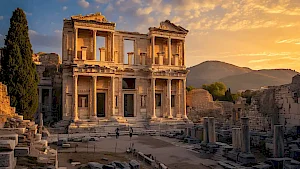
As you walk through the ancient city of Ephesus, one path stands out for its elegance and historical significance: the Marble Street. Connecting the iconic Library of Celsus to the grand theatre, the Marble Street was a main artery of the city, bustling with activity and lined with shops, temples, and statues. This post delves into the history and features of the Marble Street, offering a glimpse into the daily life of Ephesians who once traversed this remarkable thoroughfare.
1. Origins and Design of the Marble Street
The Marble Street, as the name suggests, was paved with gleaming marble stones that have endured centuries of foot traffic. Initially constructed during the Hellenistic period and expanded under Roman rule, the street exemplifies the wealth and architectural prowess of Ephesus. The smooth, polished stones reflect the city’s prosperity, while the remnants of columns and statues along the route showcase the artistry that once adorned this central avenue. Key Features of the Marble Street:
- Polished Marble Pathway: A smooth surface that reflects the craftsmanship and resources available to Ephesus.
- Grooves from Chariots: Visible grooves worn into the marble, a reminder of the chariots and carts that once traversed the street.
2. The Life Along the Marble Street
The Marble Street was a lively place where citizens from all walks of life gathered. Merchants displayed their goods along the street, selling everything from textiles and pottery to spices and perfumes. Street musicians and performers entertained passersby, while philosophers and scholars engaged in lively discussions. The Marble Street was a hub of social activity, embodying the city’s vibrant commercial and cultural life. Highlights Along the Street:
- Shops and Market Stalls: Remnants of small shops and vendor spaces where goods were traded.
- Public Latrines and Fountains: Facilities that reflect the city’s advanced public infrastructure, serving residents and travelers alike.
3. Landmarks Along the Marble Street
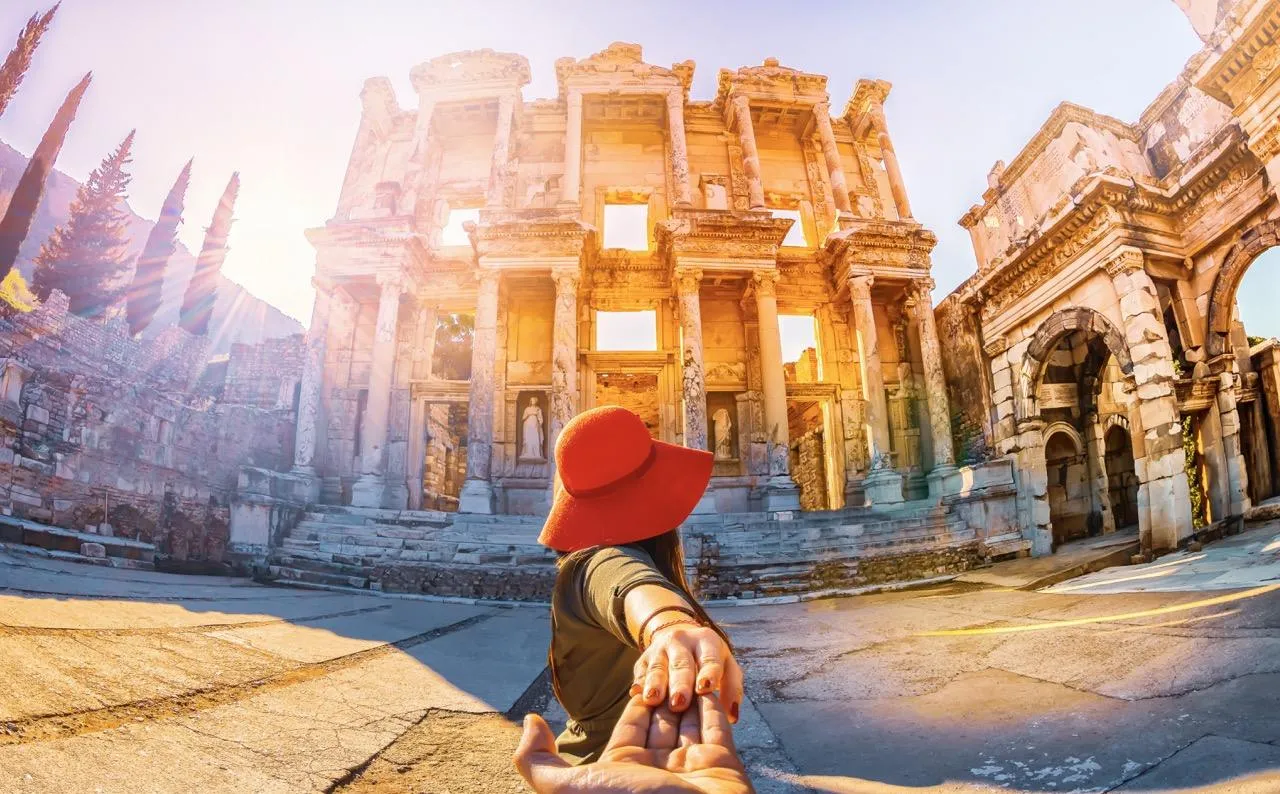
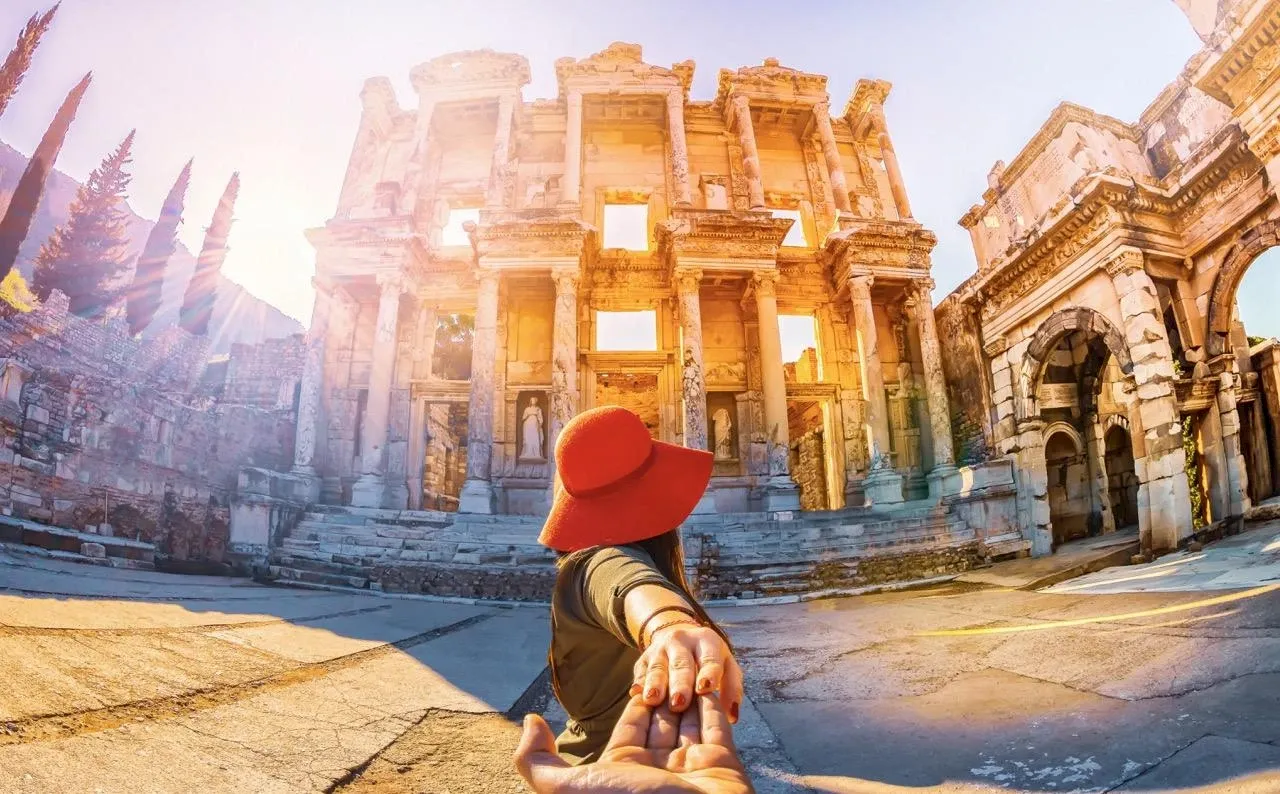
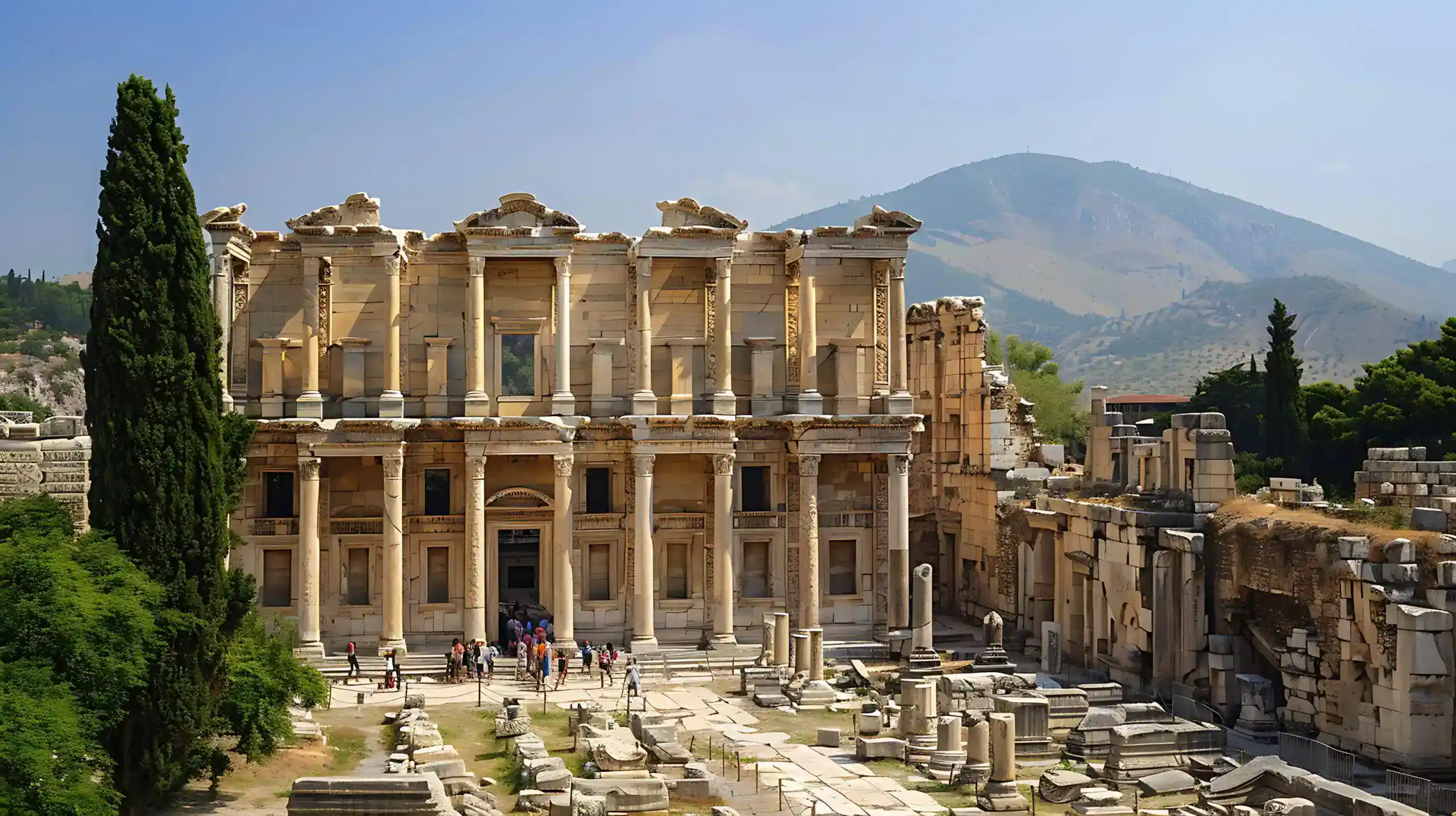
Walking down the Marble Street, visitors can encounter several notable landmarks that add to the street’s historical allure. The path starts at the Library of Celsus, one of Ephesus’ most famous structures, and ends at the grand theatre, which could seat up to 24,000 people. Along the way, you’ll pass the Temple of Hadrian, a beautifully preserved monument dedicated to the Roman emperor, and the Fountain of Trajan, a grand fountain that once featured statues of gods and emperors. Must-See Sites Along Marble Street:
- The Library of Celsus: A testament to Ephesus’ commitment to knowledge and learning.
- The Great Theatre: A monumental structure where the city’s citizens gathered for performances, debates, and gladiatorial games.
4. Religious and Social Gatherings
The Marble Street was more than just a thoroughfare; it was a place for religious processions and public ceremonies. During festivals honoring Artemis, the city’s patron goddess, processions would move down the street, filling it with music, dancing, and colorful displays. The street also hosted civic events and speeches, underscoring its role as a central gathering place for the community. Its connection to both the Library of Celsus and the theatre reflects the blending of intellectual, religious, and social life in ancient Ephesus.
5. The Legacy of the Marble Street Today
Today, the Marble Street offers a fascinating journey through history for visitors who walk its length. As you explore the street, you can imagine the lively scenes that once filled it—merchants calling out to customers, philosophers debating, and families celebrating religious festivals. The smooth marble underfoot and the remnants of grand structures along the way provide a tangible connection to the city’s past, allowing modern visitors to experience the atmosphere of ancient Ephesus firsthand. Conclusion The Marble Street of Ephesus is more than just a road; it is a pathway through history. Each step along its polished stones brings you closer to the people and events that shaped this extraordinary city. As you walk the Marble Street today, you are following in the footsteps of countless individuals who contributed to the legacy of Ephesus, leaving behind a city that continues to inspire wonder and curiosity.
For more information on Ephesus and its ancient streets, visit the Wikipedia pag
Introduction
Discover the fascinating world of The Marble Street of Ephesus: History Underfoot in ancient Ephesus. This comprehensive guide explores the historical significance, archaeological findings, and cultural impact of this remarkable aspect of Ephesian heritage.
Historical Background
The history of The Marble Street of Ephesus: History Underfoot dates back to the early days of Ephesus. Archaeological evidence suggests that this aspect of Ephesian life played a crucial role in shaping the city's development and cultural identity.
Archaeological Discoveries
Recent excavations have unveiled remarkable findings related to The Marble Street of Ephesus: History Underfoot. These discoveries provide valuable insights into how this aspect of Ephesian life evolved over time.
Cultural Significance
Understanding The Marble Street of Ephesus: History Underfoot is crucial for appreciating the broader cultural context of ancient Ephesus. Its influence extended beyond the city walls, impacting trade, religion, and daily life.
Visitor Information
Today, visitors to Ephesus can explore the remnants of The Marble Street of Ephesus: History Underfoot firsthand. This section provides practical information for making the most of your visit.
Preservation and Future
Ongoing conservation efforts ensure that The Marble Street of Ephesus: History Underfoot remains preserved for future generations. Learn about the challenges and successes in maintaining this important historical site.
Frequently Asked Questions
What is the historical significance of The Marble Street of Ephesus: History Underfoot?
The The Marble Street of Ephesus: History Underfoot holds great historical importance in ancient Ephesus, providing valuable insights into the city's cultural and social development.
What can visitors see related to The Marble Street of Ephesus: History Underfoot today?
Visitors to Ephesus can explore well-preserved remains and artifacts related to The Marble Street of Ephesus: History Underfoot, offering a glimpse into the ancient world.
When is the best time to visit The Marble Street of Ephesus: History Underfoot?
The best time to visit is during the spring (April-May) or autumn (September-October) when the weather is mild and crowds are smaller.
Frequently Asked Questions
What is the historical significance of The Marble Street of Ephesus: History Underfoot?
The The Marble Street of Ephesus: History Underfoot holds great historical importance in ancient Ephesus, providing valuable insights into the city's cultural and social development.
What can visitors see related to The Marble Street of Ephesus: History Underfoot today?
Visitors to Ephesus can explore well-preserved remains and artifacts related to The Marble Street of Ephesus: History Underfoot, offering a glimpse into the ancient world.
When is the best time to visit The Marble Street of Ephesus: History Underfoot?
The best time to visit is during the spring (April-May) or autumn (September-October) when the weather is mild and crowds are smaller.
Frequently Asked Questions
What is the historical significance of The Marble Street of Ephesus: History Underfoot?
The The Marble Street of Ephesus: History Underfoot holds great historical importance in ancient Ephesus, providing valuable insights into the city's cultural and social development.
What can visitors see related to The Marble Street of Ephesus: History Underfoot today?
Visitors to Ephesus can explore well-preserved remains and artifacts related to The Marble Street of Ephesus: History Underfoot, offering a glimpse into the ancient world.
When is the best time to visit The Marble Street of Ephesus: History Underfoot?
The best time to visit is during the spring (April-May) or autumn (September-October) when the weather is mild and crowds are smaller.