

Ephesus Through the Ages: From Ancient to Present
Explore the rich history of Ephesus from its ancient beginnings to the present day. Discover how this iconic city evolved through various civilizations and continues to captivate visitors. Ephesus, one of the most important cities in the ancient world, has a rich and varied history that spans thousands of years. From its establishment as a Greek settlement to its prominence during the Roman Empire and its eventual decline, Ephesus has seen the rise and fall of civilizations. This guide explores the journey of Ephesus through the ages, highlighting its transformation and enduring significance.
1. The Ancient Era: Foundations of Ephesus
Greek Settlement (10th Century BCE):
- Origins: Ephesus was founded around the 10th century BCE by the Greeks, who established it as a center for trade and culture. The city's strategic location along major trade routes contributed to its growth and prosperity.
- Hellenistic Influence: During the Hellenistic period, Ephesus flourished, characterized by impressive architectural developments, including the construction of temples, public buildings, and an extensive water system.
Key Structures:
- Temple of Artemis: One of the largest temples dedicated to the goddess Artemis was constructed around the 6th century BCE and later rebuilt after destruction. It became one of the Seven Wonders of the Ancient World, showcasing the city's religious significance.
2. Roman Dominance: The Height of Ephesus
Roman Conquest (2nd Century BCE):
- Integration into the Roman Empire: Ephesus became part of the Roman Empire in the 2nd century BCE, leading to significant economic and cultural growth. The city thrived as a major trade center and administrative hub.
Key Developments:
- Urban Planning: The Romans implemented sophisticated urban planning, constructing a grid-like street system, public baths, and a large amphitheater.
- Cultural Exchange: The interaction between Greek and Roman cultures resulted in a unique blend of architectural styles and artistic expressions.
Notable Structures:
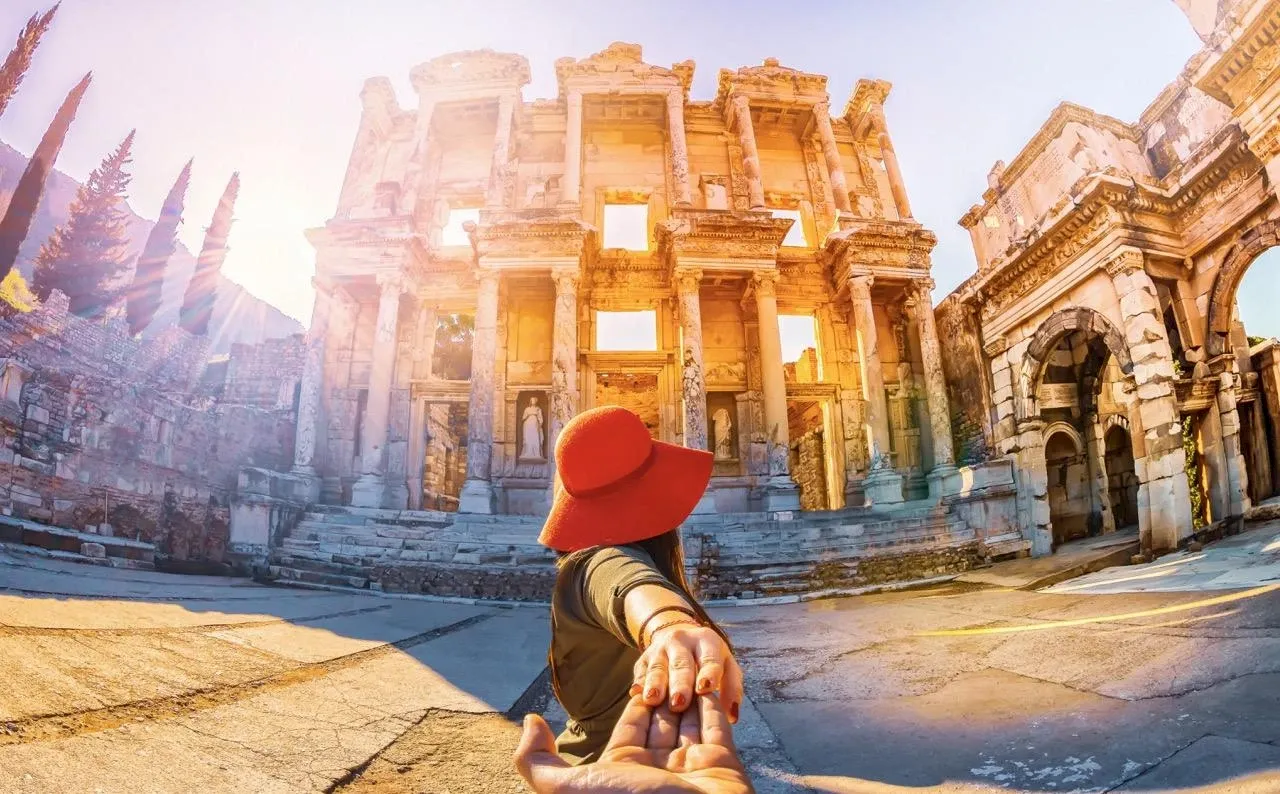
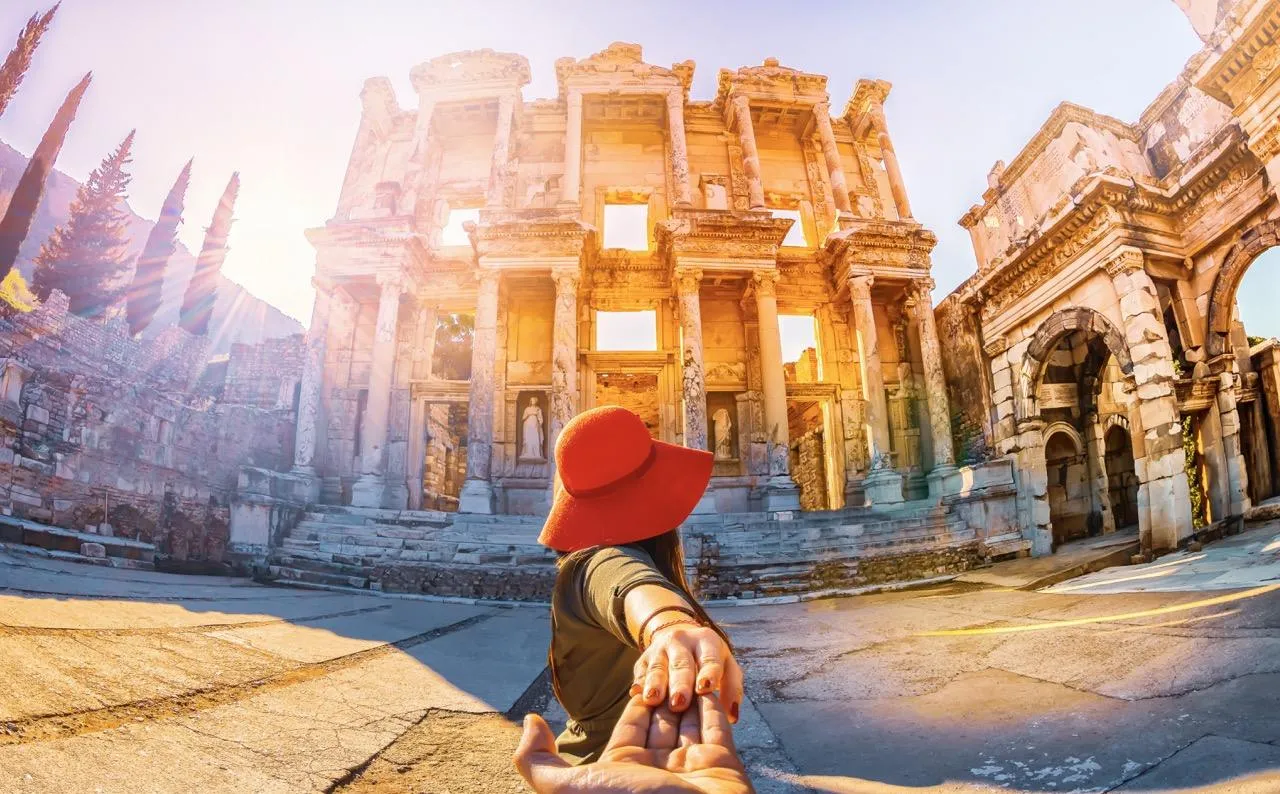
- Library of Celsus: Built in the 2nd century CE, this iconic library served as a monumental tomb for Tiberius Julius Celsus Polemaeanus and a center for learning, housing thousands of scrolls.
3. Decline and Transformation: Byzantine Era
Shift in Power (4th Century CE):
- Rise of Christianity: With the spread of Christianity, Ephesus became an important center for the early Christian church. The city was referenced in the New Testament and played a role in several significant events of early Christianity.
- Byzantine Influence: Following the fall of the Western Roman Empire, Ephesus transitioned into the Byzantine period, which saw the construction of churches and basilicas.
Key Structures:
- Basilica of St. John: Built over the reputed burial site of John the Apostle, this basilica is a significant example of early Christian architecture, reflecting the city's religious transformation.
4. The Medieval and Ottoman Periods
Medieval Decline:
- Geographic Changes: Ephesus began to decline in the medieval period due to changing trade routes and the silting of its harbor, which affected its economic significance.
- Abandonment: By the 15th century, much of the city had been abandoned, with many inhabitants moving to nearby Selçuk.
Ottoman Rule:
- Cultural Continuity: The Ottoman Empire recognized the historical significance of Ephesus, and while the city was no longer a major urban center, it remained a site of interest and pilgrimage.
- Preservation Efforts: Ottoman authorities took steps to preserve some of the ancient ruins, recognizing their cultural value.
5. Rediscovery and Archaeological Efforts
19th Century Excavations:
- Archaeological Interest: The city gained renewed interest in the 19th century, leading to extensive archaeological excavations that uncovered many significant structures and artifacts.
- Key Figures: Excavations led by British archaeologist John Turtle Wood and the Austrian Archaeological Institute revealed the grandeur of Ephesus and its historical treasures.
Modern Archaeology:
- Ongoing Excavations: Excavation work continues today, with researchers uncovering new structures and artifacts that shed light on Ephesus's complex history.
- Preservation Initiatives: Efforts to preserve and restore the ruins are ongoing, ensuring that future generations can appreciate the significance of this ancient city.
6. Ephesus Today: A Cultural Treasure
Tourist Destination:
- Attraction: Today, Ephesus is one of Turkey's top tourist attractions, drawing millions of visitors each year who come to explore its rich history and impressive ruins.
- Cultural Events: The site hosts various cultural events, including concerts and festivals, which celebrate the city's ancient heritage.
Heritage Recognition:
- UNESCO World Heritage Site: Ephesus was designated a UNESCO World Heritage Site in 2015, recognizing its outstanding universal value and the importance of preserving its archaeological remains.
Conclusion
Ephesus has a rich and multifaceted history that reflects the rise and fall of civilizations over millennia. From its ancient Greek origins to its Roman prominence and later transformations, the city has undergone significant changes while maintaining its cultural significance. Today, Ephesus stands as a testament to the achievements of ancient societies and continues to captivate visitors with its stunning ruins and rich history. Exploring Ephesus is not just a journey through ancient stones; it is a journey through time, revealing the wonders of a city that has withstood the test of time.
Introduction
Discover the fascinating world of Ephesus Through the Ages: From Ancient to Present in ancient Ephesus. This comprehensive guide explores the historical significance, archaeological findings, and cultural impact of this remarkable aspect of Ephesian heritage.
Historical Background
The history of Ephesus Through the Ages: From Ancient to Present dates back to the early days of Ephesus. Archaeological evidence suggests that this aspect of Ephesian life played a crucial role in shaping the city's development and cultural identity.
Archaeological Discoveries
Recent excavations have unveiled remarkable findings related to Ephesus Through the Ages: From Ancient to Present. These discoveries provide valuable insights into how this aspect of Ephesian life evolved over time.
Cultural Significance
Understanding Ephesus Through the Ages: From Ancient to Present is crucial for appreciating the broader cultural context of ancient Ephesus. Its influence extended beyond the city walls, impacting trade, religion, and daily life.
Visitor Information
Today, visitors to Ephesus can explore the remnants of Ephesus Through the Ages: From Ancient to Present firsthand. This section provides practical information for making the most of your visit.
Preservation and Future
Ongoing conservation efforts ensure that Ephesus Through the Ages: From Ancient to Present remains preserved for future generations. Learn about the challenges and successes in maintaining this important historical site.
Frequently Asked Questions
What is the historical significance of Ephesus Through the Ages: From Ancient to Present?
The Ephesus Through the Ages: From Ancient to Present holds great historical importance in ancient Ephesus, providing valuable insights into the city's cultural and social development.
What can visitors see related to Ephesus Through the Ages: From Ancient to Present today?
Visitors to Ephesus can explore well-preserved remains and artifacts related to Ephesus Through the Ages: From Ancient to Present, offering a glimpse into the ancient world.
When is the best time to visit Ephesus Through the Ages: From Ancient to Present?
The best time to visit is during the spring (April-May) or autumn (September-October) when the weather is mild and crowds are smaller.
Frequently Asked Questions
What is the historical significance of Ephesus Through the Ages: From Ancient to Present?
The Ephesus Through the Ages: From Ancient to Present holds great historical importance in ancient Ephesus, providing valuable insights into the city's cultural and social development.
What can visitors see related to Ephesus Through the Ages: From Ancient to Present today?
Visitors to Ephesus can explore well-preserved remains and artifacts related to Ephesus Through the Ages: From Ancient to Present, offering a glimpse into the ancient world.
When is the best time to visit Ephesus Through the Ages: From Ancient to Present?
The best time to visit is during the spring (April-May) or autumn (September-October) when the weather is mild and crowds are smaller.
Frequently Asked Questions
What is the historical significance of Ephesus Through the Ages: From Ancient to Present?
The Ephesus Through the Ages: From Ancient to Present holds great historical importance in ancient Ephesus, providing valuable insights into the city's cultural and social development.
What can visitors see related to Ephesus Through the Ages: From Ancient to Present today?
Visitors to Ephesus can explore well-preserved remains and artifacts related to Ephesus Through the Ages: From Ancient to Present, offering a glimpse into the ancient world.
When is the best time to visit Ephesus Through the Ages: From Ancient to Present?
The best time to visit is during the spring (April-May) or autumn (September-October) when the weather is mild and crowds are smaller.