

Architectural Brilliance
Structure and Design
The theatre was built into the natural slope of Mount Pion and featured a semicircular seating arrangement (cavea), offering excellent acoustics and unobstructed views. The seating area was divided into three tiers, each designated for different social classes.
The orchestra area, originally designed for the chorus of Greek dramas, was later adapted for Roman spectacles. The stage building (scaenae) was a multi-story structure adorned with columns and statues, serving as the backdrop for performances.
Masterful Acoustics
One of the theatre's most remarkable features was its acoustics. The curved seating and strategic placement of the stage allowed even the faintest sounds to reach the uppermost seats.
Roman Expansions
The Romans expanded the theatre to accommodate larger audiences and introduced new forms of entertainment, such as gladiatorial games and animal hunts. The stage was adorned with elaborate reliefs and statues, reflecting the wealth and artistic diversity of Ephesus.
Cultural and Social Significance
A Center for Entertainment
The theatre was the cultural heart of Ephesus, hosting numerous events, including theatrical performances, concerts, and festivals. These events strengthened social bonds and contributed to the city's cultural identity.
Political and Religious Gatherings
Beyond entertainment, the theatre served as a forum for political and religious assemblies. Important announcements and debates were held here. In the Acts of the Apostles, the theatre is mentioned as the site of a riot against the teachings of Paul.
Archaeological Discoveries
Findings and Insights
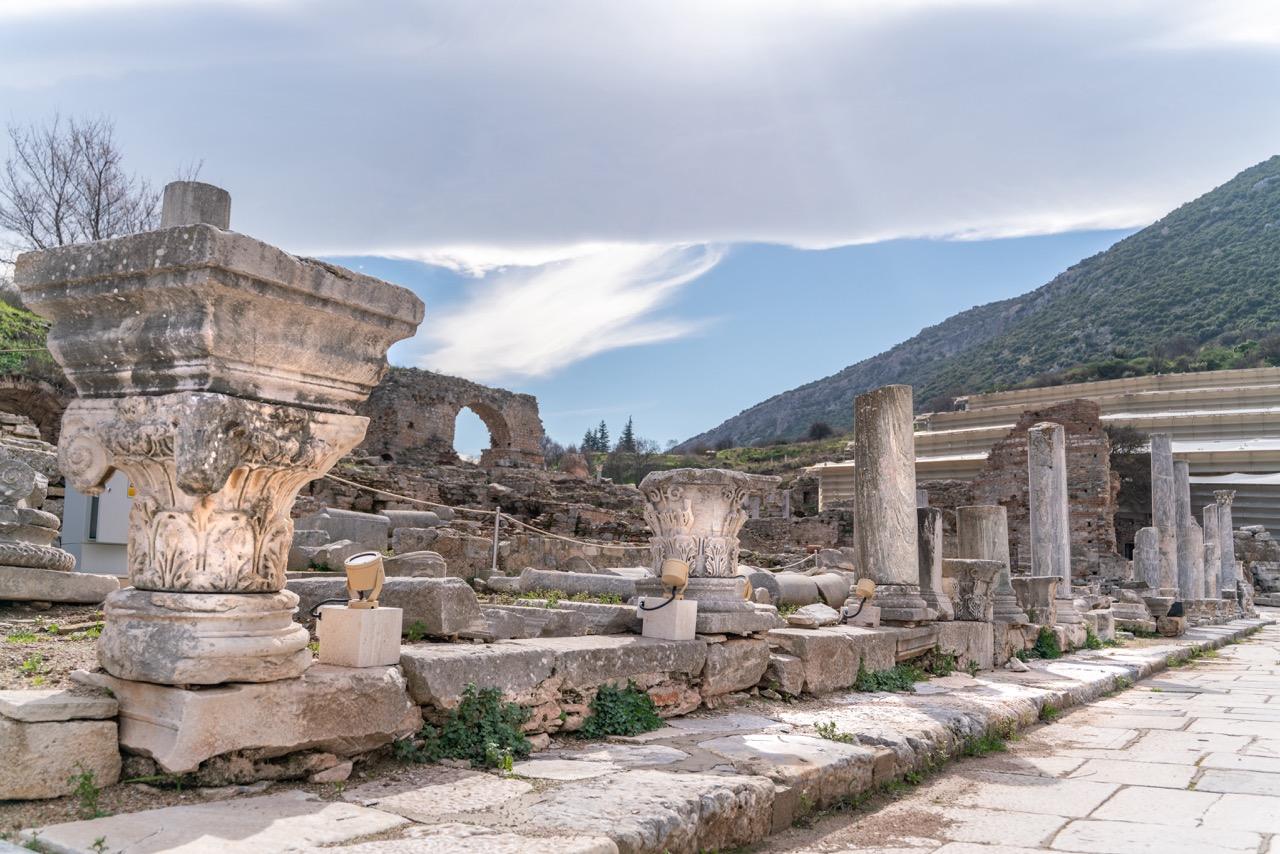
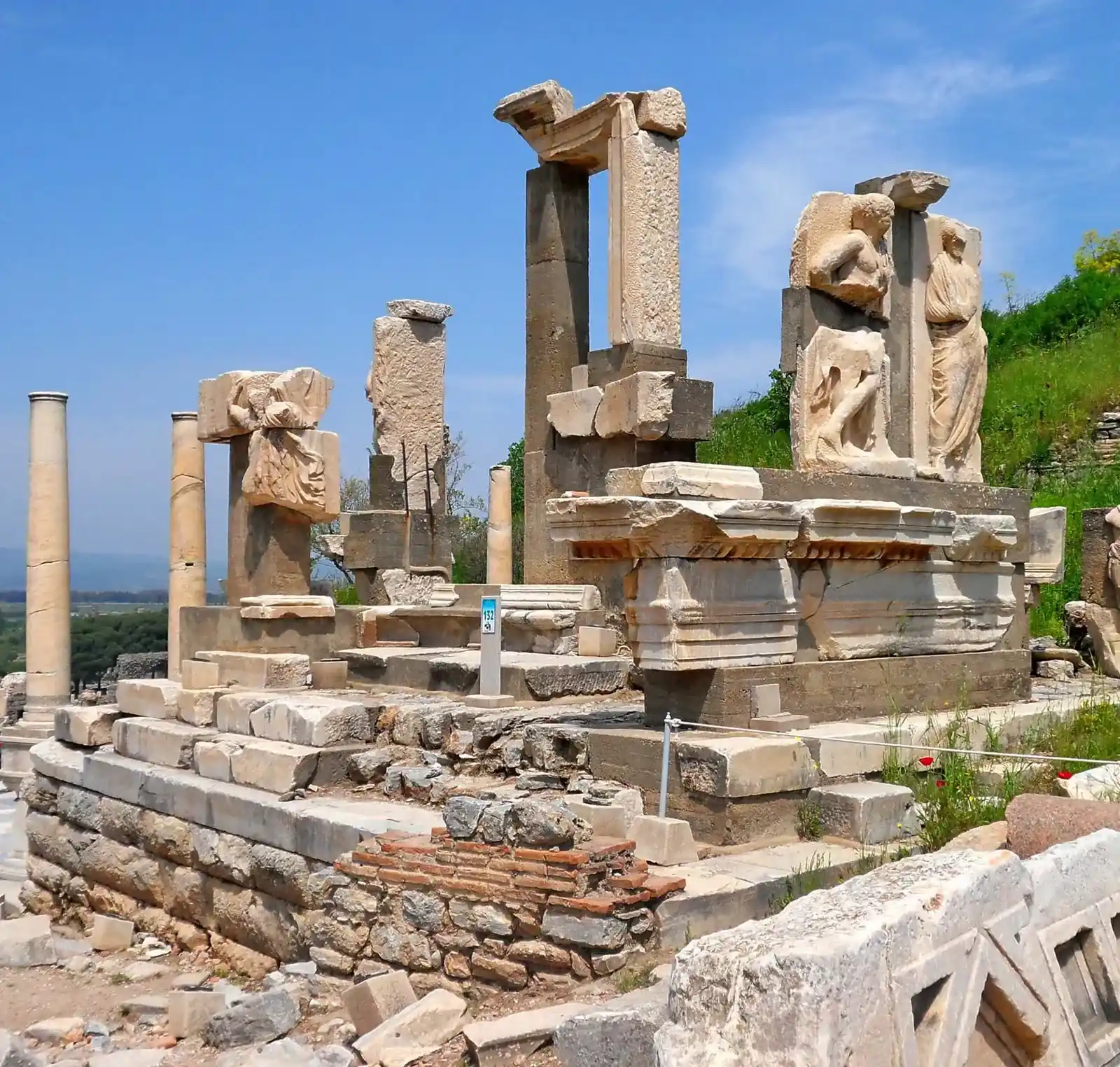
Excavations at the theatre have uncovered numerous artifacts, inscriptions, and architectural details, offering insights into its use and significance. The well-preserved seating and stage allow visitors to experience the scale and grandeur of the structure.
Visiting the Great Theatre Today
Highlights
- Seating Tiers: Climb the marble steps and enjoy panoramic views of the theatre and surrounding landscape.
- Stage Façade: Admire the remains of the richly decorated stage.
- Acoustics: Test the theatre's extraordinary acoustics by speaking or clapping from the stage.
Practical Information
- Location: The theatre is situated within the ancient city of Ephesus, near other major landmarks such as the Library of Celsus.
- Opening Hours: Open year-round, with extended hours in summer.
- Admission: Access to the theatre is included in the general ticket for Ephesus.
Visitor Tips
- Best Time: Visit early in the morning or late in the afternoon to enjoy pleasant temperatures and fewer crowds.
- Guided Tours: Take advantage of a guide's expertise to learn more about the theatre's history and significance.
- Nearby Attractions: Combine your visit to the theatre with a tour of the Temple of Artemis and the Terrace Houses.
Lessons from the Past
The Great Theatre of Ephesus is a monument to the engineering skill, creativity, and community spirit of ancient civilizations. Its architecture and functionality provide valuable insights into ancient urban planning, while its cultural role highlights the importance of shared experiences.
Conclusion
The Great Theatre of Ephesus is more than a historical structure it is a living testament to the rich cultural and social history of antiquity. A visit to the theatre offers a chance to immerse yourself in the past and appreciate the achievements of one of the greatest civilizations in human history. Plan your trip to Ephesus and experience the wonder of this unique site.