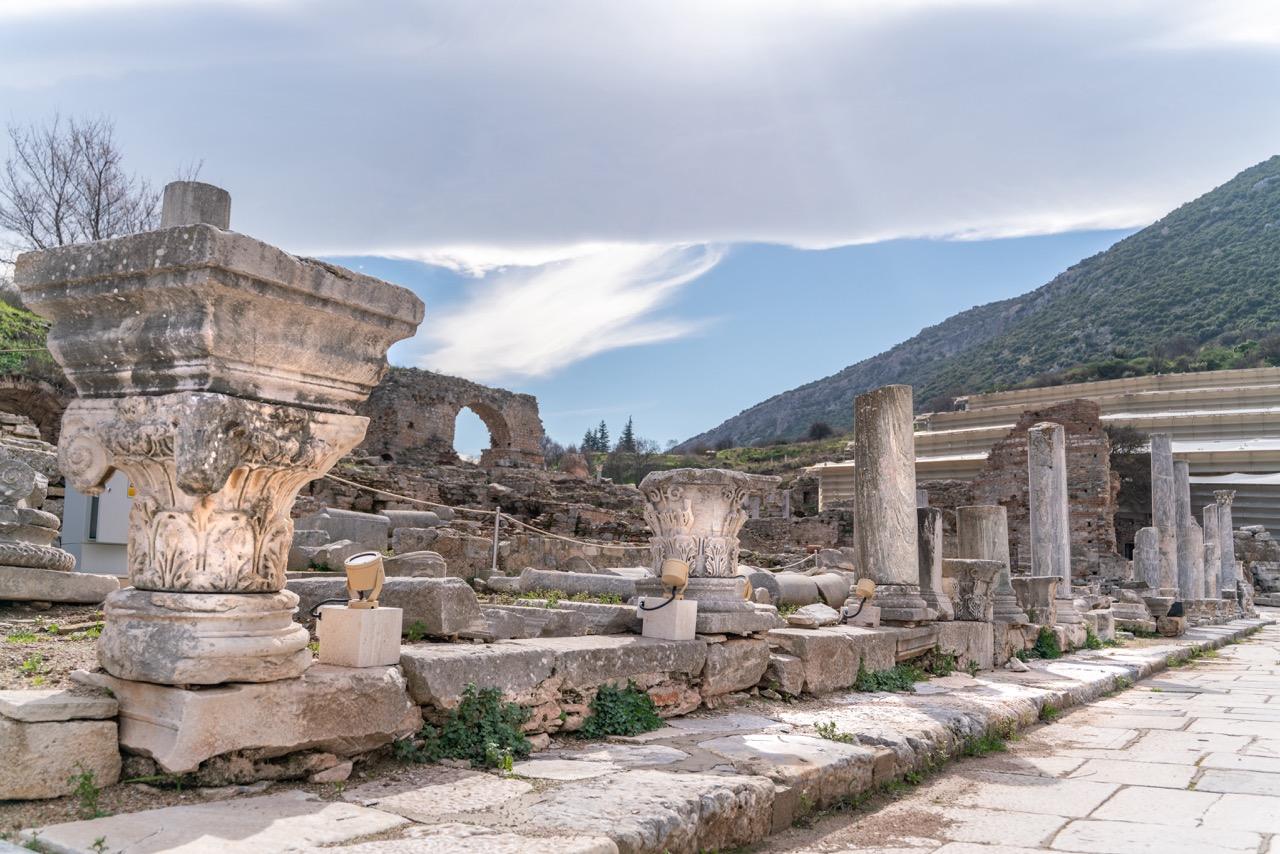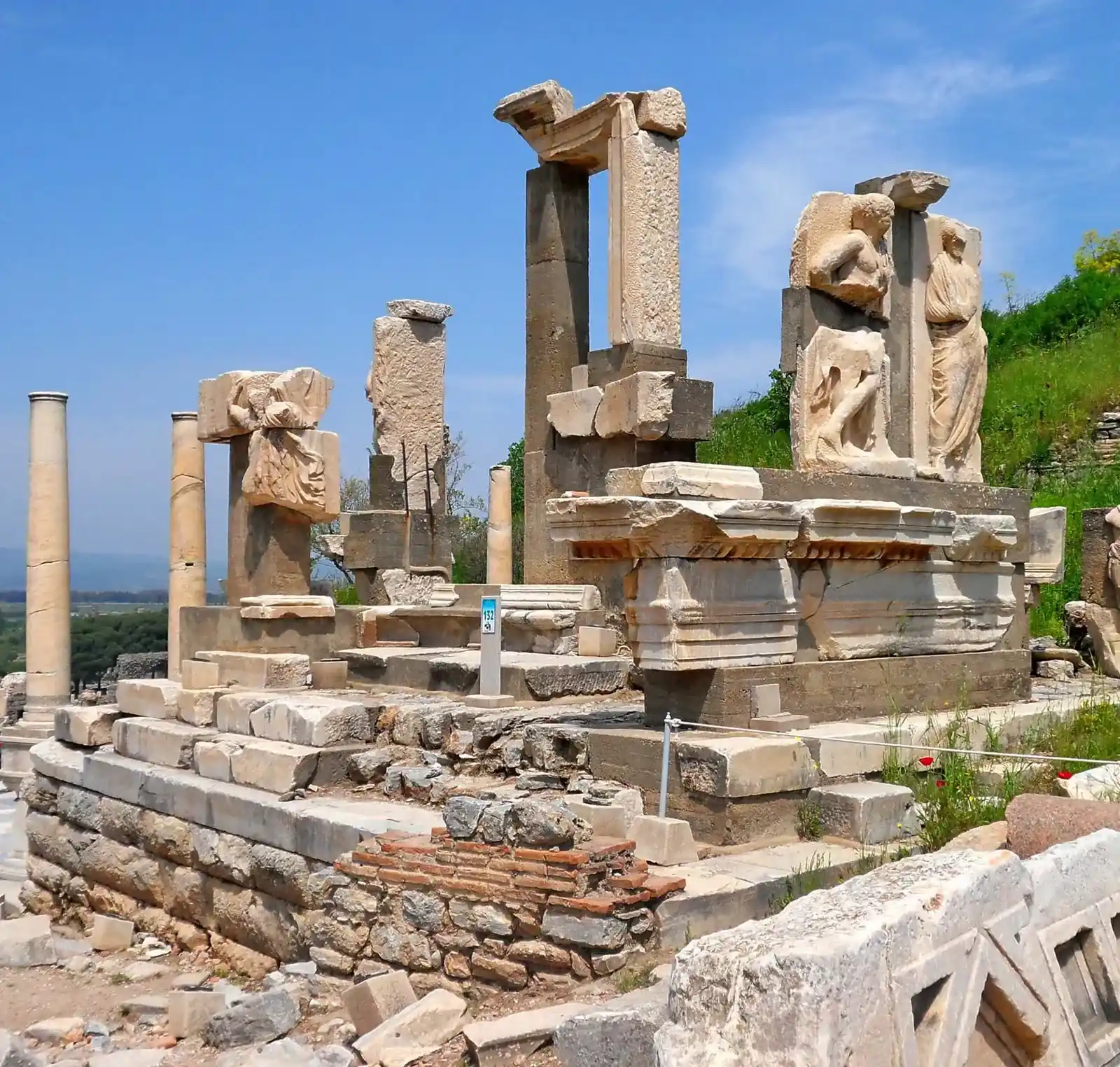


Explore the environmental and historical factors that led to Ephesus losing its port. Understand how changes in geography, trade routes, and historical events affected this ancient city. Ephesus, once a bustling port city on the Aegean coast, experienced a significant decline in its maritime activity over the centuries. Several environmental and historical factors contributed to the loss of its port, ultimately impacting the city’s economic and cultural prominence. This guide explores the reasons behind this transformation and how they shaped the legacy of Ephesus.
1. Environmental Factors
A. Silting of the Meander River
- Natural Sedimentation: The Meander River, which once flowed near Ephesus, gradually silted up due to sediment deposition. Over time, this natural process filled the riverbed and obstructed access to the sea.
- Impact on Navigation: As the river silted, ships could no longer navigate easily to the port. This led to a decline in maritime trade and commerce, which had been vital to Ephesus’s economy.
B. Coastal Changes
- Shifting Shoreline: The geographical landscape of the Aegean coast changed due to natural factors such as erosion, sedimentation, and tectonic activity. These changes altered the coastline and diminished the harbor’s effectiveness.
- Loss of Accessibility: As the shoreline moved further away from the city, the once-bustling port became increasingly isolated, further diminishing its role as a trading hub.
2. Historical Factors
A. Decline of Trade Routes
- Shifts in Trade Patterns: As trade routes evolved and new ports emerged in the region, Ephesus began to lose its status as a major center of commerce. Competing ports, such as those in Pergamon and Smyrna, gained prominence.
- Economic Impact: The decline in trade routes contributed to economic stagnation, making it difficult for Ephesus to maintain its previous level of wealth and influence.
B. Political Changes
- Roman and Byzantine Rule: Ephesus was under the control of various empires, including the Romans and later the Byzantines. Political shifts often led to changes in administrative focus, which could divert resources and attention away from maintaining the port.
- Military Conflicts: Throughout its history, Ephesus faced military conflicts and invasions, which impacted its economic stability and ability to maintain trade routes.
3. Consequences of Losing the Port
A. Economic Decline
- Loss of Maritime Trade: As the port became less accessible, Ephesus's economy suffered due to reduced trade and commerce. This decline affected local businesses, jobs, and overall prosperity.
- Shifts in Population: The economic downturn led to a decrease in population as people migrated to other cities in search of better opportunities.
B. Cultural and Social Changes
- Decline in Cultural Significance: Ephesus's status as a major cultural and religious center diminished as trade and population declined. The loss of economic power often results in reduced cultural influence and public works.
- Transformation into a Landlocked City: Over time, Ephesus transitioned from a vibrant port city to a more landlocked settlement, altering its social and cultural dynamics.
4. Legacy of Ephesus
Despite its decline as a port city, Ephesus remains one of the best-preserved ancient sites in the world. The ruins continue to attract visitors and scholars, providing valuable insights into the city’s rich history and cultural heritage. The environmental and historical factors that led to the loss of its port highlight the complexities of urban development and the fragility of economic power over time.
5. Conclusion
The decline of Ephesus as a port city can be attributed to a combination of environmental changes and historical events. The silting of the Meander River and shifts in coastal geography, coupled with changing trade routes and political dynamics, significantly impacted the city’s economic and cultural prominence. Today, Ephesus stands as a testament to the rise and fall of ancient civilizations, reminding us of the intricate relationship between geography, trade, and urban development throughout history.