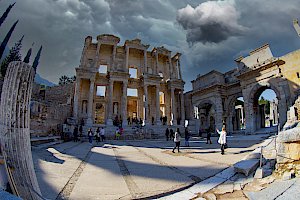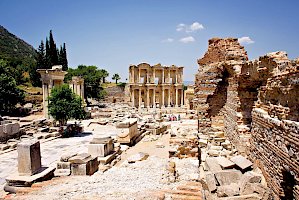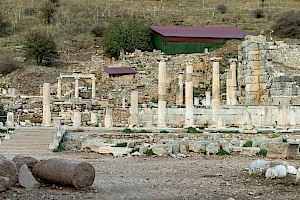

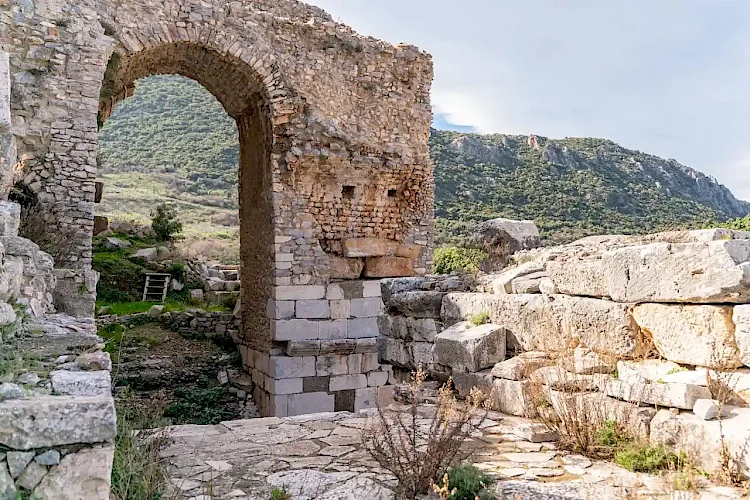
Discover the ancient temples of Ephesus, from the grand Temple of Artemis to the lesser-known shrines. Learn about the myths, gods, and rituals that shaped the spiritual life of this historic city. Ephesus, once a vibrant city on the western coast of Asia Minor, was a place where religion and daily life were intricately intertwined. The city was renowned for its grand temples, which served not only as places of worship but also as centers of community life, culture, and commerce. From the majestic Temple of Artemis to smaller shrines dedicated to various gods, the temples of Ephesus offer a glimpse into the spiritual heart of the ancient city. Here, we’ll explore the sacred sites of Ephesus and uncover the stories behind them.
The Temple of Artemis: A Wonder of the Ancient World
The Temple of Artemis, also known as the Artemision, was one of the Seven Wonders of the Ancient World and one of the most significant temples in Ephesus. Built in honor of Artemis, the goddess of the hunt, fertility, and childbirth, the temple was a massive structure larger than the Parthenon in Athens. According to ancient accounts, it was adorned with over a hundred marble columns, each standing nearly 60 feet tall. The temple was a major pilgrimage site, drawing worshippers from across the Mediterranean. Pilgrims visited Ephesus to pay tribute to Artemis, participate in festivals, and make offerings at her shrine. In addition to being a religious center, the temple also played a significant role in the city’s economy, as it attracted merchants, artists, and travelers.
Myths and Rituals at the Temple of Artemis
The worship of Artemis in Ephesus was unique, blending Greek and Anatolian influences. Artemis was revered not only as a huntress but also as a mother goddess who protected the city. Festivals dedicated to Artemis, such as the Artemisia, were held annually, featuring processions, sacrifices, and athletic competitions. Her temple also served as a sanctuary, providing refuge for those seeking protection from persecution. While only a few fragments remain of the original temple, the legacy of Artemis endures. Archaeological finds, such as statues and inscriptions, have provided insights into the temple's scale and its significance to Ephesians. To learn more about this wonder, you can visit Wikipedia.
The Temple of Hadrian: Honoring an Emperor
Another remarkable temple in Ephesus is the Temple of Hadrian, dedicated to Emperor Hadrian, who visited the city in 128 CE. Built by wealthy Ephesians to honor the emperor, the temple is adorned with intricate reliefs depicting various scenes from mythology and city life. The structure reflects the architectural elegance of the Roman period, with Corinthian columns and a richly decorated arch.
Mythological Scenes and Roman Influence
The reliefs on the temple include scenes from the myth of Androklos, the legendary founder of Ephesus, as well as depictions of the gods and goddesses associated with the city. Androklos, guided by a prophecy, founded Ephesus where a boar and a fish appeared together. This myth reinforced the city’s connection to the divine and to Roman culture. The Temple of Hadrian exemplifies the influence of Roman emperors on local religious practices. By venerating Hadrian as a deity, the people of Ephesus displayed their loyalty to Rome, aligning themselves with the imperial cult. This practice helped integrate Roman identity into the city’s spiritual life, blending local traditions with the empire’s political authority.
The Temple of Domitian: Imperial Worship
The Temple of Domitian was one of the largest temples in Ephesus, dedicated to Emperor Domitian and built during his reign in the 1st century CE. As the first structure in Ephesus devoted to the worship of a Roman emperor, it signaled a significant shift in religious practices, emphasizing the integration of the imperial cult into the city’s religious landscape.
A Center for Imperial Cult Worship
The temple served as a place where the people of Ephesus could express their loyalty to the emperor and the Roman state. Rituals, processions, and sacrifices were held to honor Domitian, who was deified during his rule. While the temple was eventually dismantled after Domitian’s death, its influence on the religious culture of Ephesus endured, as other emperors were similarly venerated in the city.
The Prytaneion and the Eternal Flame
The Prytaneion was the city’s town hall, where official ceremonies and public events were held. It also housed the eternal flame of Hestia, the goddess of the hearth, symbolizing the city’s unity and protection. This flame was tended by priests and priestesses and played a vital role in civic rituals.
The Role of the Prytaneion in Public Life
The Prytaneion was a place of both political and spiritual importance, where leaders gathered to discuss civic matters and conduct religious ceremonies. It was here that honored guests and heroes were received, and sacrifices were made to the gods for the well-being of Ephesus. The presence of the eternal flame linked the city's civic identity to its religious beliefs, reinforcing the connection between governance and the divine.
The Temple of Serapis: A Blend of Cultures
The Temple of Serapis is one of the most intriguing temples in Ephesus, reflecting the city’s role as a melting pot of cultural influences. Built during the Roman period, the temple was dedicated to Serapis, a deity associated with both Egyptian and Greek mythology. Serapis was worshipped as a god of healing, fertility, and the afterlife, and his cult was popular among both Greeks and Romans.
Serapis and Religious Syncretism
The presence of the Temple of Serapis highlights the diverse religious practices in Ephesus. Serapis was a deity that appealed to people from different cultural backgrounds, symbolizing the blending of Greek, Roman, and Egyptian influences in the city. Archaeological finds from the temple, such as statues and reliefs, reflect this syncretism, showcasing the adaptability and inclusiveness of Ephesus’s religious landscape.
Other Sacred Sites in Ephesus
Beyond the major temples, Ephesus was home to numerous smaller shrines and altars dedicated to a variety of gods and goddesses. These included:
- The Temple of Isis: Another example of Egyptian influence, this temple was dedicated to Isis, the goddess of motherhood, magic, and fertility. Isis was widely worshipped in the Roman Empire, and her temple in Ephesus attracted followers who revered her as a symbol of protection and healing.
- The Temple of Cybele: Cybele, an Anatolian mother goddess, was one of the oldest deities worshipped in Ephesus. Her cult predated the arrival of the Greeks, and her temple served as a reminder of the city’s ancient roots. Known as the Magna Mater, or Great Mother, Cybele was associated with fertility, nature, and the protection of the city.
- Shrines to Local Heroes and Legends: Ephesus also had numerous shrines dedicated to local heroes and mythological figures, such as Androklos, the legendary founder of the city. These sites were places where Ephesians could honor their ancestors, seek guidance, and connect with the myths that shaped their cultural identity.
The Role of Temples in Ephesus's Community Life
The temples of Ephesus were not just places of worship; they were also centers for social and economic activity. During festivals, the city came alive with processions, sacrifices, and feasts, drawing people from surrounding regions. The temples often housed valuable treasures, including offerings made by wealthy citizens and foreign dignitaries. In addition, the temples played a role in the city’s economy, as they attracted visitors who contributed to the local marketplace. The significance of these temples extends beyond their religious functions. They served as symbols of Ephesus’s wealth, power, and cultural connections, reflecting the city’s status as a major center of the ancient world. The remains of these sacred sites offer a window into the spiritual life of Ephesus and the ways in which religion influenced every aspect of daily life.
Visiting the Temples of Ephesus Today
For those interested in exploring the temples of Ephesus, a visit to the archaeological site offers an unforgettable journey through history. Guided tours, such as those provided by ephesustours.biz, allow visitors to walk among the ruins, learn about the city’s religious practices, and experience the grandeur of its sacred architecture. Although many of the temples are now in ruins, their remains continue to inspire awe and wonder.
Conclusion
The temples of Ephesus tell a story of devotion, cultural exchange, and architectural innovation. From the Temple of Artemis, one of the ancient world’s wonders, to the smaller shrines dedicated to gods from far-off lands, these sacred sites reflect the city’s spiritual diversity and its connections to the broader Mediterranean world. As we explore the ruins of these temples, we gain a deeper understanding of the beliefs, rituals, and stories that shaped the lives of the people of Ephesus. Through archaeology, the sacred sites of Ephesus continue to reveal the city’s rich heritage and enduring legacy.