
-
Environmental Factors
A. Silting of the Meander River
Natural Sedimentation: Over time, the Meander River became filled with the alluvium it carried, causing the riverbed to gradually rise and cut off the connection to the sea. This natural process made access to the port increasingly difficult. Impact on Navigation: As the river silted up, it became impossible for ships to reach the harbor, severely impacting Ephesus’ reliance on maritime trade. The decline of maritime activities weakened the city's economy significantly.
B. Changes in the Coastline
Shifting Coastline: Natural processes such as erosion, alluvial accumulation, and tectonic movements transformed the geographical landscape of the Aegean coast. These changes reduced the efficiency of the port. Access Difficulties: As the coastline moved further away from the city, the port of Ephesus became isolated, diminishing its role as a commercial hub.
-
Historical Factors
A. Shifts in Trade Routes
Changes in Trade Models: Over time, the shift in trade routes and the emergence of new ports led to a decline in the importance of Ephesus as a center of commerce. Rival ports like Pergamon and Smyrna began to attract more commercial interest. Economic Impact: The changes in trade routes contributed to the loss of Ephesus' wealth and influence, leading to economic stagnation in the city.
B. Political Changes
Roman and Byzantine Rule: Ephesus came under the control of various empires, including the Romans and the Byzantines. Political changes affected the maintenance and importance of the harbor, further diminishing its role. Military Conflicts: Ephesus faced military invasions and attacks, which adversely affected its economic stability and trade routes.
-
Consequences of Losing the Port
A. Economic Collapse
Loss of Maritime Trade: The decline in the accessibility of the harbor led to the collapse of trade and the economy. This caused a significant reduction in local businesses and labor forces in the city. Population Shift: Economic downturns prompted people to migrate to other cities in search of better opportunities.
B. Cultural and Social Changes
Cultural Decline: As Ephesus lost its economic power, its cultural and religious influence also waned. This shift was reflected in the reduction of public projects and events. Becoming a Landlocked City: Over time, Ephesus completely lost its connection to the sea, transforming into a land-based settlement. This transformation deeply affected the city’s social and cultural dynamics.
-
The Legacy of Ephesus
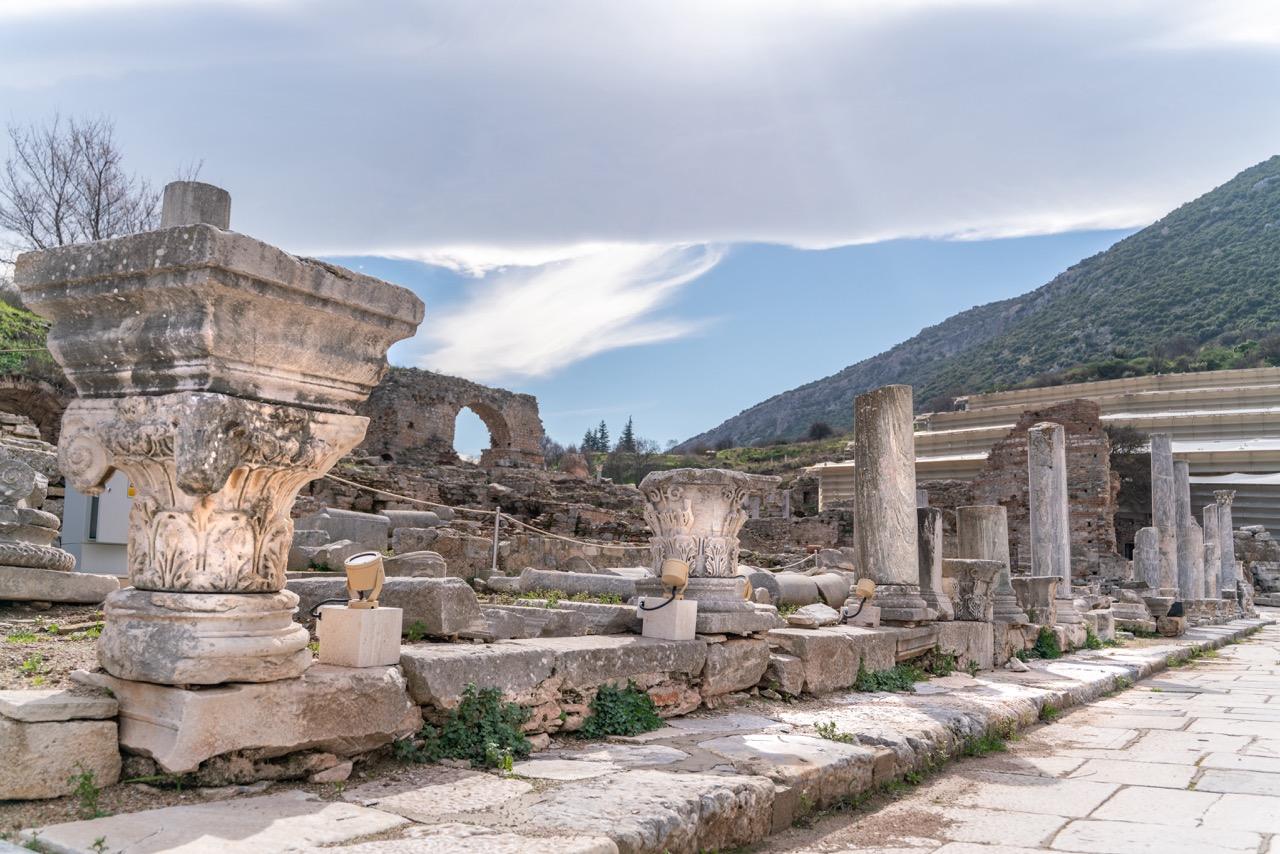
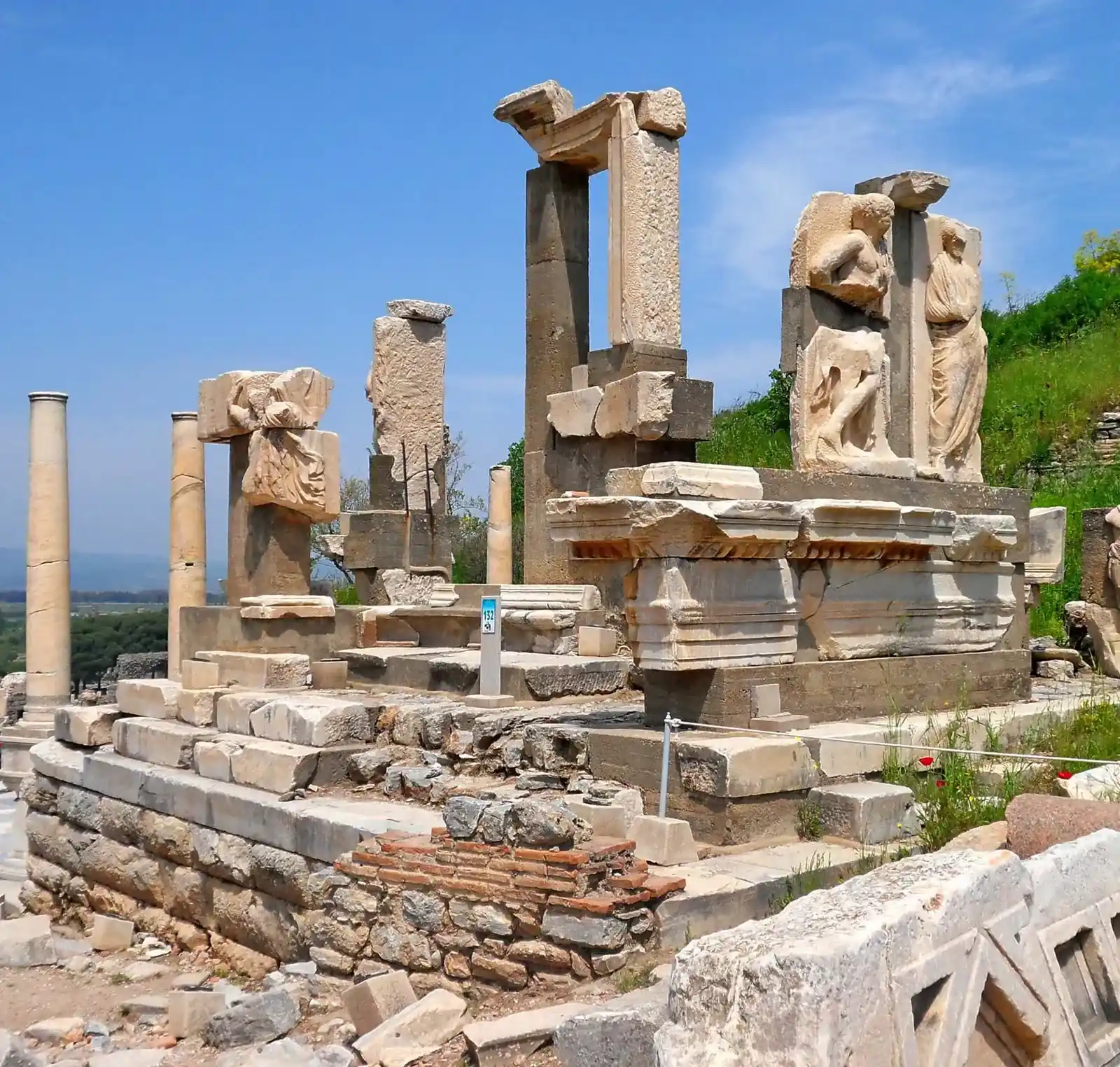
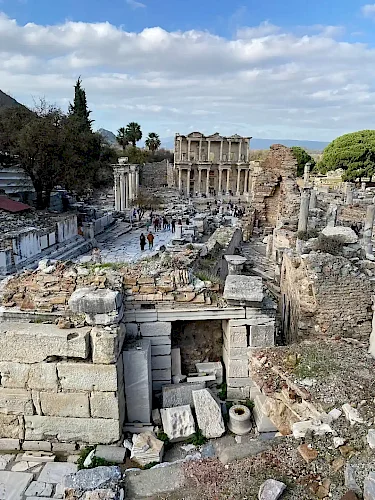
Although Ephesus lost its identity as a port city, it remains one of the best-preserved ancient sites in the world today. The ruins, including the Library of Celsus and the Temple of Artemis, continue to offer invaluable insights into Ephesus' rich history and cultural heritage. These remnants reveal the grandeur the city once possessed.
-
Conclusion
The loss of Ephesus’ port occurred as a result of a combination of environmental changes and historical events. The silting of the Meander River, alterations in the coastline, shifts in trade routes, and political dynamics all had a profound impact on the city's economic and cultural significance. Today, the ruins of Ephesus offer a unique opportunity to understand the rise and fall of ancient civilizations. The city stands as a monument, reminding us of the complex relationship between geography, trade, and urban development.
The Role of Ephesus in the Ancient World
BOOK Private Ephesus Tour
No pre-payment needed • Cash on arrival • Licensed guide