
The Main Temples of Ephesus: A Religious Center of Ancien...
Explore the main temples of Ephesus, an ancient religious center. Discover the significance, architectural features, and historical context of these remarkable structures. Ephesus, one of the most important cities of the ancient world, served as a major religious center, home to several significant temples dedicated to various deities. These temples not only reflect the architectural prowess of their time but also highlight the cultural and religious practices of the ancient inhabitants. This guide will explore the main temples of Ephesus, their significance, and their historical context.
1. The Temple of Artemis
Overview:
- The Temple of Artemis, also known as the Artemision, was one of the largest temples of the ancient world and is considered one of the Seven Wonders of the Ancient World.
Significance:
- Dedication: The temple was dedicated to Artemis, the goddess of fertility, hunting, and nature. It was a major pilgrimage site, attracting worshippers from all over the Mediterranean.
- Cultural Influence: The temple played a vital role in the economy and culture of Ephesus, symbolizing the city's wealth and devotion to the goddess.
Architectural Features:
- Size and Structure: Originally built in the 6th century BCE, the temple measured approximately 115 by 55 meters (377 by 180 feet) and featured 127 columns, each standing about 18 meters (60 feet) tall.
- Ornate Decoration: The temple was adorned with intricate sculptures and reliefs, showcasing the artistic skills of the time.
Current State:
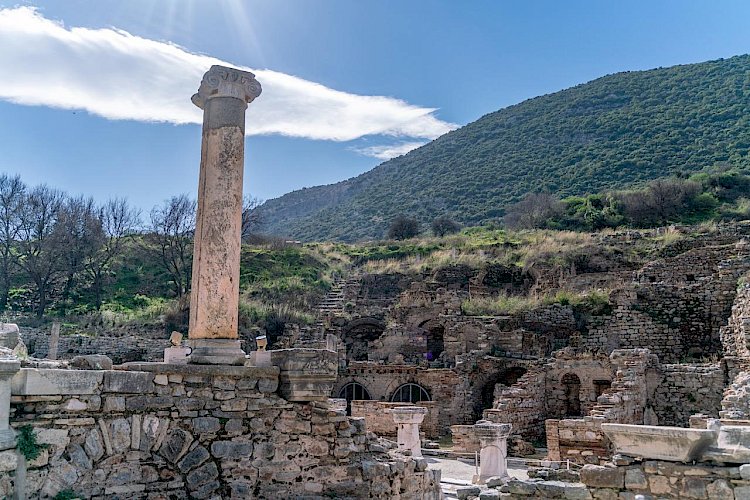
- Today, only a few columns and foundations remain, but the site continues to attract visitors interested in its historical significance.
2. The Temple of Hadrian
Overview:
- Built in the 2nd century CE, the Temple of Hadrian was dedicated to the Roman Emperor Hadrian and is one of the most well-preserved structures in Ephesus.
Significance:
- Civic Pride: The temple symbolizes the loyalty of Ephesus to the Roman Empire and its appreciation for the emperor's contributions to the city.
- Cultural Heritage: It served as a place of worship and was an important site for civic ceremonies.
Architectural Features:
- Design: The temple features a beautiful façade with ornate Corinthian columns and intricate reliefs depicting the Emperor and various deities.
- Central Courtyard: A central courtyard surrounded by porticos adds to the temple's grandeur.
3. The Temple of Domitian
Overview:
- Dedicated to the Emperor Domitian in the late 1st century CE, this temple highlights the imperial cult in Ephesus.
Significance:
- Emperor Worship: The temple reflects the Roman practice of deifying emperors and serves as a testament to the political power of the empire in Ephesus.
- Religious Center: It was an important site for rituals dedicated to the emperor and played a significant role in the social and religious life of the city.
Architectural Features:
- Structure: Although less is known about the exact design of the temple, it was likely similar to other imperial temples of the time, featuring grand columns and a spacious interior for worshippers.
- Ruins: Today, only remnants of the temple can be seen, but the site remains significant for understanding the religious practices of the era.
4. The Temple of Serapis
Overview:
- The Temple of Serapis was dedicated to the Greco-Egyptian god Serapis, symbolizing the syncretism of cultures within Ephesus.
Significance:
- Cultural Blending: This temple illustrates the blend of Greek and Egyptian religious practices, reflecting Ephesus’s diverse population and cultural influences.
- Worship Practices: The temple served as a place for rituals and offerings to Serapis, attracting worshippers from different backgrounds.
Architectural Features:
- Design: The temple was constructed in the typical style of Hellenistic temples, featuring columns and a spacious interior.
- Decorative Elements: Although little remains of the temple today, it likely included ornate decorations and sculptures depicting Serapis and other deities.
5. The Basilica of St. John
Overview:
- Built in the 6th century CE, the Basilica of St. John was erected over the purported burial site of John the Apostle, a significant figure in early Christianity.
Significance:
- Christian Heritage: The basilica symbolizes the importance of Ephesus in early Christian history and the reverence for John the Apostle.
- Pilgrimage Site: It became a significant pilgrimage destination for Christians, drawing visitors seeking to honor St. John.
Architectural Features:
- Design: The basilica featured a large central nave with side aisles, typical of early Christian basilica architecture. Its design reflects the transition from Roman to Byzantine architectural styles.
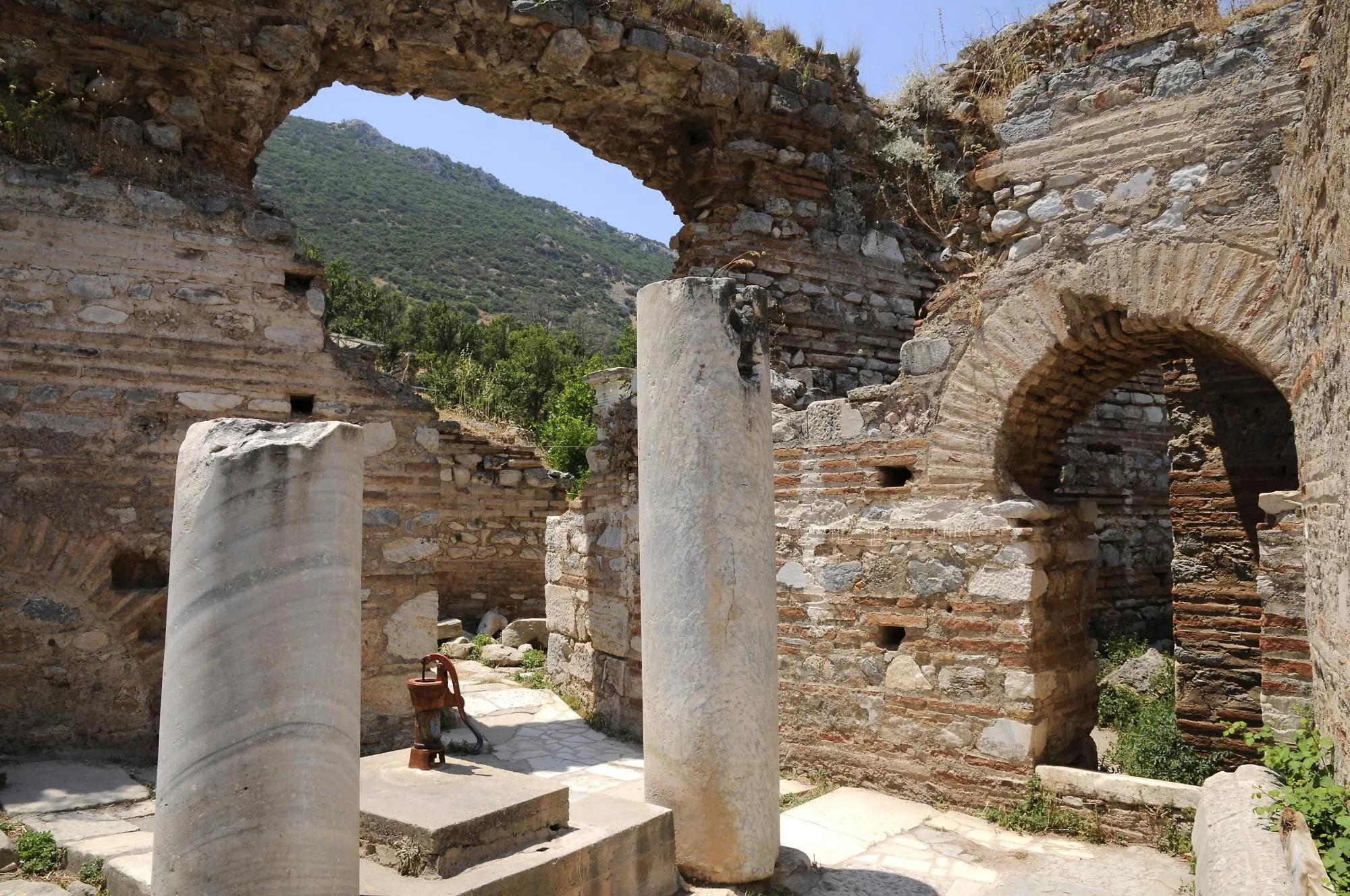
- Remnants: Although in ruins today, the site retains elements of its grandeur, including a baptistery and impressive columns.
Conclusion
The temples of Ephesus represent the city's rich religious heritage and architectural achievements. From the magnificent Temple of Artemis to the early Christian Basilica of St. John, these structures reflect the diverse cultural and religious influences that shaped Ephesus throughout its history. Today, the remnants of these temples continue to attract visitors, offering a glimpse into the spiritual life of this ancient city and its significance in the broader context of history. Exploring these temples allows one to appreciate the profound legacy of Ephesus as a religious center in ancient times.
Introduction
Discover the fascinating world of The Main Temples of Ephesus: A Religious Center of Ancien... in ancient Ephesus. This comprehensive guide explores the historical significance, archaeological findings, and cultural impact of this remarkable aspect of Ephesian heritage.
Historical Background
The history of The Main Temples of Ephesus: A Religious Center of Ancien... dates back to the early days of Ephesus. Archaeological evidence suggests that this aspect of Ephesian life played a crucial role in shaping the city's development and cultural identity.
Archaeological Discoveries
Recent excavations have unveiled remarkable findings related to The Main Temples of Ephesus: A Religious Center of Ancien.... These discoveries provide valuable insights into how this aspect of Ephesian life evolved over time.
Cultural Significance
Understanding The Main Temples of Ephesus: A Religious Center of Ancien... is crucial for appreciating the broader cultural context of ancient Ephesus. Its influence extended beyond the city walls, impacting trade, religion, and daily life.
Visitor Information
Today, visitors to Ephesus can explore the remnants of The Main Temples of Ephesus: A Religious Center of Ancien... firsthand. This section provides practical information for making the most of your visit.
Preservation and Future
Ongoing conservation efforts ensure that The Main Temples of Ephesus: A Religious Center of Ancien... remains preserved for future generations. Learn about the challenges and successes in maintaining this important historical site.
Frequently Asked Questions
What is the historical significance of The Main Temples of Ephesus: A Religious Center of Ancien...?
The The Main Temples of Ephesus: A Religious Center of Ancien... holds great historical importance in ancient Ephesus, providing valuable insights into the city's cultural and social development.
What can visitors see related to The Main Temples of Ephesus: A Religious Center of Ancien... today?
Visitors to Ephesus can explore well-preserved remains and artifacts related to The Main Temples of Ephesus: A Religious Center of Ancien..., offering a glimpse into the ancient world.
When is the best time to visit The Main Temples of Ephesus: A Religious Center of Ancien...?
The best time to visit is during the spring (April-May) or autumn (September-October) when the weather is mild and crowds are smaller.
Frequently Asked Questions
What is the historical significance of The Main Temples of Ephesus: A Religious Center of Ancien...?
The The Main Temples of Ephesus: A Religious Center of Ancien... holds great historical importance in ancient Ephesus, providing valuable insights into the city's cultural and social development.
What can visitors see related to The Main Temples of Ephesus: A Religious Center of Ancien... today?
Visitors to Ephesus can explore well-preserved remains and artifacts related to The Main Temples of Ephesus: A Religious Center of Ancien..., offering a glimpse into the ancient world.
When is the best time to visit The Main Temples of Ephesus: A Religious Center of Ancien...?
The best time to visit is during the spring (April-May) or autumn (September-October) when the weather is mild and crowds are smaller.
Frequently Asked Questions
What is the historical significance of The Main Temples of Ephesus: A Religious Center of Ancien...?
The The Main Temples of Ephesus: A Religious Center of Ancien... holds great historical importance in ancient Ephesus, providing valuable insights into the city's cultural and social development.
What can visitors see related to The Main Temples of Ephesus: A Religious Center of Ancien... today?
Visitors to Ephesus can explore well-preserved remains and artifacts related to The Main Temples of Ephesus: A Religious Center of Ancien..., offering a glimpse into the ancient world.
When is the best time to visit The Main Temples of Ephesus: A Religious Center of Ancien...?
The best time to visit is during the spring (April-May) or autumn (September-October) when the weather is mild and crowds are smaller.