

The Magnesian Gate: Entrance to Ancient Ephesus
The Magnesian Gate, one of the key entrances to the ancient city of Ephesus, served as both a protective barrier and a ceremonial entryway. Located on the eastern side of the city, the gate connected Ephesus to the Magnesia Road, which led to the neighboring city of Magnesia. Walking through the Magnesian Gate today provides a glimpse into the city’s strategic importance and the daily life of the people who once called Ephesus home.
1. A Gateway to Ephesus’ History
Built during the Hellenistic period and later enhanced by the Romans, the Magnesian Gate was part of Ephesus’ defensive walls, designed to protect the city from potential invasions. As travelers approached Ephesus, the gate stood as a symbol of the city’s wealth and influence. It marked the beginning of the journey through the city, leading visitors to Curetes Street and onward to the heart of Ephesus. For ancient visitors, passing through the gate was the first step into a vibrant urban center filled with bustling markets, grand temples, and monumental structures.
2. Architectural Significance
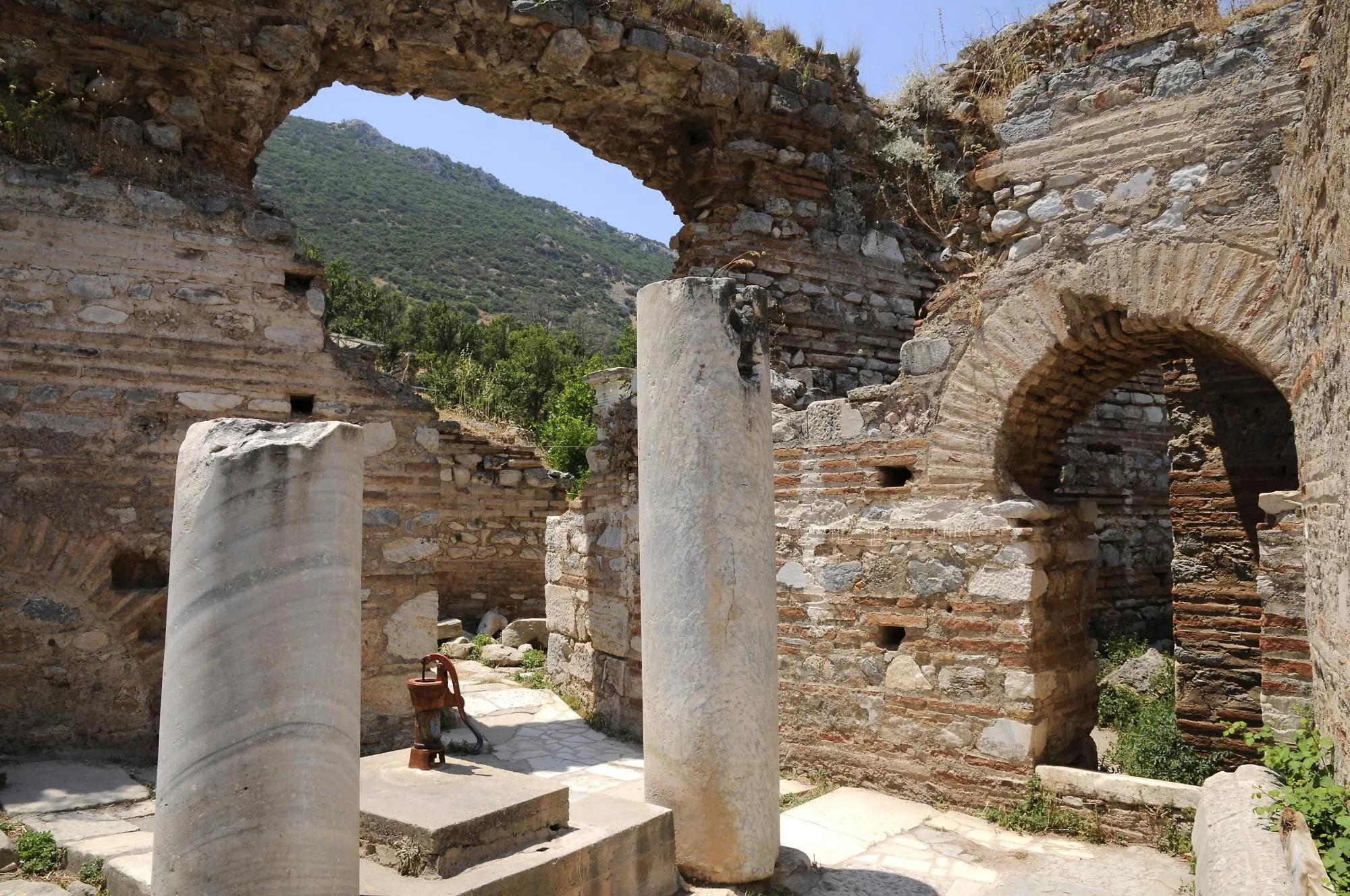
The Magnesian Gate was more than just a functional structure; it was an architectural marvel. The gate was flanked by massive stone towers, which provided vantage points for city guards. Built with large limestone blocks and adorned with inscriptions, the gate demonstrated the craftsmanship of ancient builders. The design of the Magnesian Gate reflects the influences of both Greek and Roman architectural styles, with elements that combine functionality and aesthetics. Remnants of these features are still visible today, showcasing the skill and ingenuity of Ephesus’ architects.
3. The Role of the Gate in Daily Life
In addition to its defensive function, the Magnesian Gate was a busy passageway for merchants, travelers, and citizens. Caravans carrying goods passed through the gate, bringing valuable resources such as textiles, spices, and wine into the city. Local Ephesians used the gate to access the surrounding countryside, where they tended to farms, orchards, and vineyards. The gate was also a checkpoint, where guards monitored people entering and leaving Ephesus, ensuring the safety and security of the city’s residents. This constant movement of people and goods contributed to the gate’s significance as a bustling hub of activity. As a result, the Magnesian Gate played an essential role in connecting Ephesus to the broader region, facilitating trade and cultural exchange.
4. Connecting to Curetes Street
After passing through the Magnesian Gate, visitors were guided along Curetes Street, one of Ephesus’ main thoroughfares. This street was lined with important buildings, such as the Temple of Hadrian, the Fountain of Trajan, and various statues that honored the city’s benefactors. The journey from the gate to the heart of Ephesus would have offered visitors a firsthand experience of the city’s grandeur and its role as a cultural and commercial center.
5. Exploring the Ruins Today
Today, the remains of the Magnesian Gate serve as a starting point for those exploring the ancient city. Although much of the structure has been weathered by time, visitors can still appreciate its historical significance. Walking through the gate provides a sense of the ancient city’s scale and the craftsmanship that once defined Ephesus. As you pass through this historic gateway, you are stepping into a world that thrived thousands of years ago, a place where religion, trade, and culture intersected. Conclusion The Magnesian Gate offers a glimpse into the daily life and history of ancient Ephesus. As a gateway to one of the ancient world’s most influential cities, it played a crucial role in the city’s defenses, commerce, and cultural exchanges. For modern visitors, the gate is more than just an entry point—it’s a reminder of Ephesus’ legacy as a vibrant metropolis where diverse peoples, beliefs, and ideas came together.
For more information on Ephesus and its historical landmarks, visit the Wikipedia page on Ephesus.
Introduction
Discover the fascinating world of The Magnesian Gate: Entrance to Ancient Ephesus in ancient Ephesus. This comprehensive guide explores the historical significance, archaeological findings, and cultural impact of this remarkable aspect of Ephesian heritage.
Historical Background
The history of The Magnesian Gate: Entrance to Ancient Ephesus dates back to the early days of Ephesus. Archaeological evidence suggests that this aspect of Ephesian life played a crucial role in shaping the city's development and cultural identity.
Archaeological Discoveries
Recent excavations have unveiled remarkable findings related to The Magnesian Gate: Entrance to Ancient Ephesus. These discoveries provide valuable insights into how this aspect of Ephesian life evolved over time.
Cultural Significance
Understanding The Magnesian Gate: Entrance to Ancient Ephesus is crucial for appreciating the broader cultural context of ancient Ephesus. Its influence extended beyond the city walls, impacting trade, religion, and daily life.
Visitor Information
Today, visitors to Ephesus can explore the remnants of The Magnesian Gate: Entrance to Ancient Ephesus firsthand. This section provides practical information for making the most of your visit.
Preservation and Future
Ongoing conservation efforts ensure that The Magnesian Gate: Entrance to Ancient Ephesus remains preserved for future generations. Learn about the challenges and successes in maintaining this important historical site.
Frequently Asked Questions
What is the historical significance of The Magnesian Gate: Entrance to Ancient Ephesus?
The The Magnesian Gate: Entrance to Ancient Ephesus holds great historical importance in ancient Ephesus, providing valuable insights into the city's cultural and social development.
What can visitors see related to The Magnesian Gate: Entrance to Ancient Ephesus today?
Visitors to Ephesus can explore well-preserved remains and artifacts related to The Magnesian Gate: Entrance to Ancient Ephesus, offering a glimpse into the ancient world.
When is the best time to visit The Magnesian Gate: Entrance to Ancient Ephesus?
The best time to visit is during the spring (April-May) or autumn (September-October) when the weather is mild and crowds are smaller.
Frequently Asked Questions
What is the historical significance of The Magnesian Gate: Entrance to Ancient Ephesus?
The The Magnesian Gate: Entrance to Ancient Ephesus holds great historical importance in ancient Ephesus, providing valuable insights into the city's cultural and social development.
What can visitors see related to The Magnesian Gate: Entrance to Ancient Ephesus today?
Visitors to Ephesus can explore well-preserved remains and artifacts related to The Magnesian Gate: Entrance to Ancient Ephesus, offering a glimpse into the ancient world.
When is the best time to visit The Magnesian Gate: Entrance to Ancient Ephesus?
The best time to visit is during the spring (April-May) or autumn (September-October) when the weather is mild and crowds are smaller.
Frequently Asked Questions
What is the historical significance of The Magnesian Gate: Entrance to Ancient Ephesus?
The The Magnesian Gate: Entrance to Ancient Ephesus holds great historical importance in ancient Ephesus, providing valuable insights into the city's cultural and social development.
What can visitors see related to The Magnesian Gate: Entrance to Ancient Ephesus today?
Visitors to Ephesus can explore well-preserved remains and artifacts related to The Magnesian Gate: Entrance to Ancient Ephesus, offering a glimpse into the ancient world.
When is the best time to visit The Magnesian Gate: Entrance to Ancient Ephesus?
The best time to visit is during the spring (April-May) or autumn (September-October) when the weather is mild and crowds are smaller.