

What Happened to the Biblical City of Ephesus?
Discover the history of the biblical city of Ephesus, from its rise as a major Roman city to its decline and the enduring legacy of its ruins today. The ancient city of Ephesus, once a bustling center of commerce, culture, and early Christianity, has a rich history that spans thousands of years. Known in the Bible as a key location for the Apostle Paul’s ministry and an important Christian community, Ephesus experienced both periods of prosperity and eventual decline. Today, the ruins of Ephesus serve as a window into the past, attracting visitors from around the world. This article explores what happened to the biblical city of Ephesus, examining its rise, decline, and what remains today.
Ephesus in Its Prime: A Center of Culture and Religion
Ephesus was founded by the ancient Greeks and later became one of the most important cities in the Roman Empire. Its strategic location along the Aegean coast of Asia Minor (modern-day Turkey) made it a vital hub for trade, connecting East and West through major land and sea routes. As a result, Ephesus thrived as a center of commerce, culture, and religion. Click to get details about Biblical Tour
The Temple of Artemis
One of the key features of Ephesus during its peak was the Temple of Artemis, an enormous structure dedicated to the goddess of fertility, hunting, and nature. The temple was one of the Seven Wonders of the Ancient World and drew worshippers from across the Mediterranean. This impressive monument showcased the architectural and religious significance of Ephesus, making it one of the most famous cities in the ancient world.
Roman Ephesus
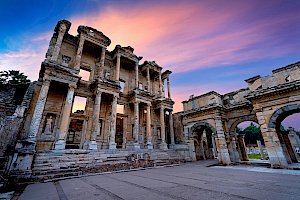
Under Roman rule, Ephesus became the capital of Roman Asia Minor and flourished with the construction of impressive public buildings, temples, and a grand theatre that could hold around 25,000 people. The Library of Celsus, Temple of Hadrian, and other notable structures reflected the wealth and cultural sophistication of Ephesus. During this period, Ephesus was also a melting pot of various cultures and religions, making it a significant location for the spread of new ideas, including the Christian faith. Its prominence in the Roman Empire laid the foundation for its role in early Christian history.
Ephesus in the New Testament and Early Christianity
Ephesus is prominently mentioned in the New Testament as a key city for early Christianity. It was home to a strong Christian community, and several important figures, including the Apostle Paul, John the Apostle, and Timothy, were associated with the city.
Paul’s Mission in Ephesus
Paul spent around three years in Ephesus during his third missionary journey, as described in Acts 19. He preached the gospel, performed miracles, and established a thriving church. Paul’s ministry attracted a diverse audience, but it also led to tensions with those who worshipped Artemis, as described in the Ephesian Riot. His Epistle to the Ephesians provides insight into the spiritual and communal life of the early Christians in the city, emphasizing unity, faith, and perseverance.
John the Apostle’s Connection to Ephesus
Tradition holds that John the Apostle lived in Ephesus toward the end of his life, where he wrote the Gospel of John, the Epistles of John, and possibly the Book of Revelation. John’s teachings and leadership left a lasting impact on the Ephesian church, which became a model for other Christian communities in the Roman Empire. The House of the Virgin Mary, near Ephesus, is also believed to be the place where Mary, the mother of Jesus, spent her final years under John’s care.
The Council of Ephesus
Ephesus continued to play a significant role in Christian history, hosting the Council of Ephesus in 431 CE. This ecumenical council addressed theological issues, including the nature of Christ and Mary’s title as Theotokos (Mother of God). The decisions made at the council had a lasting influence on Christian doctrine and reinforced Ephesus’s importance as a center of theological development.
The Decline of Ephesus
Despite its prominence, Ephesus began to decline over time due to several factors:
1. Silting of the Harbor
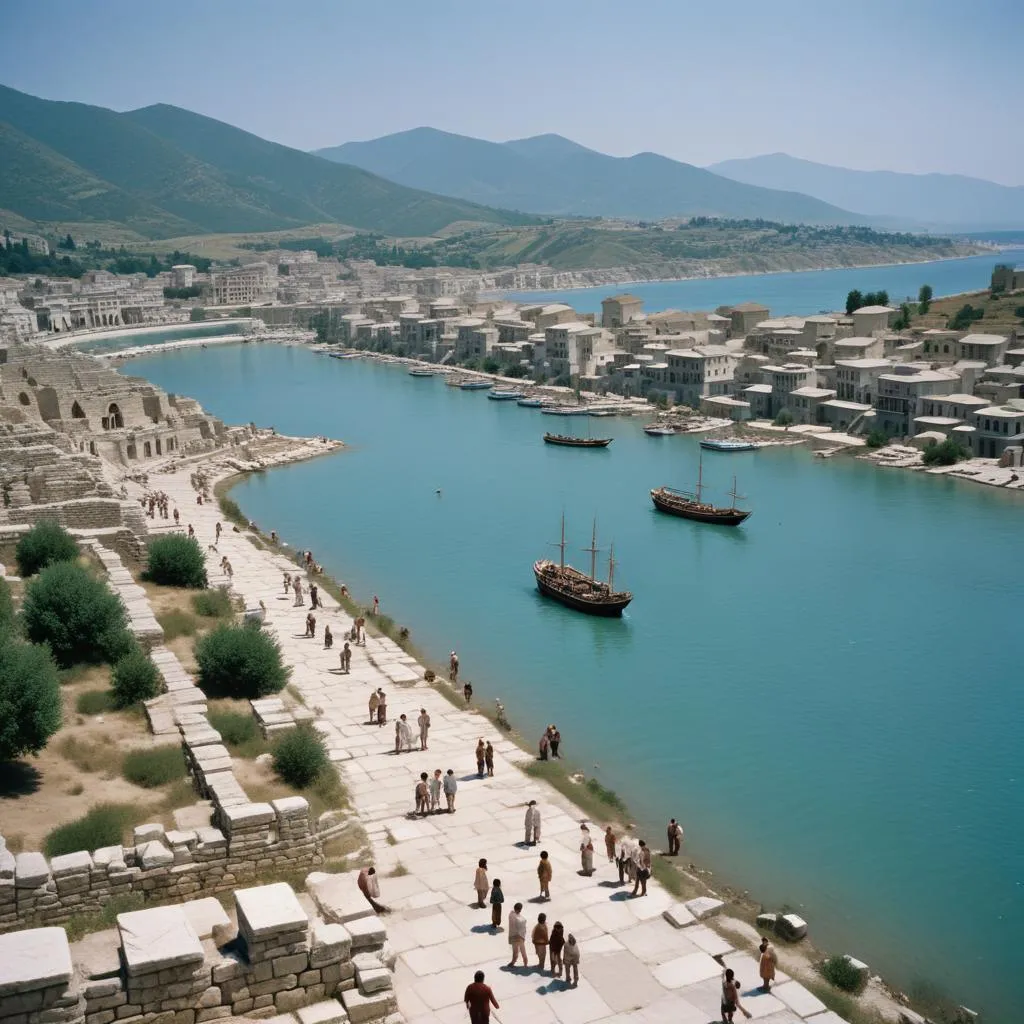
The main factor contributing to the decline of Ephesus was the gradual silting of the harbor by the Cayster River. As the harbor became clogged with silt, Ephesus lost its access to the sea, which severely impacted its role as a trade hub. Attempts were made to clear the harbor, but over time, it became impossible to maintain, and the city’s economy suffered.
2. Earthquakes and Natural Disasters
Ephesus also faced repeated destruction from earthquakes. Major earthquakes damaged the city’s infrastructure and made it difficult for the inhabitants to rebuild. By the time the Byzantine Empire rose to power, Ephesus had already been weakened by these natural disasters.
3. Changes in Trade Routes
As trade routes shifted and other cities gained prominence, Ephesus’s importance as a commercial center diminished. With the loss of its harbor and the rise of other nearby cities, Ephesus could no longer compete economically, leading to a gradual depopulation of the city.
4. Religious and Political Changes
As the Roman Empire transitioned to Christianity, the significance of pagan worship sites like the Temple of Artemis declined. With the spread of Islam in the region and political changes during the Byzantine period, Ephesus lost its status as a religious center. The city’s Christian population also dwindled, and by the Middle Ages, Ephesus had become a shadow of its former self.
The Rediscovery and Excavation of Ephesus
By the 15th century, Ephesus was largely abandoned and fell into ruin. However, its historical significance was never forgotten. In the 19th century, European archaeologists began excavating Ephesus, uncovering many of its ancient structures, including the Library of Celsus, the Great Theatre, and various temples and houses. The archaeological efforts have continued over the years, and Ephesus is now one of the most extensively excavated sites of the ancient world. The ruins offer a glimpse into the life, culture, and spirituality of a once-thriving city, attracting millions of visitors from around the world who come to experience its beauty and historical significance.
Ephesus Today: A UNESCO World Heritage Site
Today, Ephesus is a UNESCO World Heritage Site and one of Turkey’s most popular tourist destinations. The well-preserved ruins allow visitors to walk the same streets that were once traveled by merchants, Roman officials, and early Christian leaders. Key sites, such as the Library of Celsus, the Great Theatre, and the Basilica of St. John, draw tourists, scholars, and pilgrims alike. Ephesus also continues to be a site of spiritual interest. The House of the Virgin Mary is a popular pilgrimage destination for both Christians and Muslims, and visitors come to honor the memory of Mary and connect with the early Christian history of the city. The ruins of Ephesus stand as a testament to the city’s vibrant past and enduring legacy.
Conclusion
The biblical city of Ephesus experienced a remarkable rise as one of the great cities of the ancient world, known for its cultural influence, religious significance, and role in early Christianity. Although it eventually declined due to natural disasters, changing trade routes, and the silting of its harbor, Ephesus has left an indelible mark on history. Today, the city’s ruins continue to captivate visitors, providing a window into a past where faith, commerce, and culture converged. Ephesus remains a symbol of resilience, a place where the legacy of early Christian leaders like Paul and John can still be felt. As one walks through its ancient streets, it’s easy to imagine the vibrant life that once filled the city, a life that has left echoes that continue to inspire and inform our understanding of the ancient world.
Introduction
Discover the fascinating world of What Happened to the Biblical City of Ephesus? in ancient Ephesus. This comprehensive guide explores the historical significance, archaeological findings, and cultural impact of this remarkable aspect of Ephesian heritage.
Historical Background
The history of What Happened to the Biblical City of Ephesus? dates back to the early days of Ephesus. Archaeological evidence suggests that this aspect of Ephesian life played a crucial role in shaping the city's development and cultural identity.
Archaeological Discoveries
Recent excavations have unveiled remarkable findings related to What Happened to the Biblical City of Ephesus?. These discoveries provide valuable insights into how this aspect of Ephesian life evolved over time.
Cultural Significance
Understanding What Happened to the Biblical City of Ephesus? is crucial for appreciating the broader cultural context of ancient Ephesus. Its influence extended beyond the city walls, impacting trade, religion, and daily life.
Visitor Information
Today, visitors to Ephesus can explore the remnants of What Happened to the Biblical City of Ephesus? firsthand. This section provides practical information for making the most of your visit.
Preservation and Future
Ongoing conservation efforts ensure that What Happened to the Biblical City of Ephesus? remains preserved for future generations. Learn about the challenges and successes in maintaining this important historical site.
Frequently Asked Questions
What is the historical significance of What Happened to the Biblical City of Ephesus??
The What Happened to the Biblical City of Ephesus? holds great historical importance in ancient Ephesus, providing valuable insights into the city's cultural and social development.
What can visitors see related to What Happened to the Biblical City of Ephesus? today?
Visitors to Ephesus can explore well-preserved remains and artifacts related to What Happened to the Biblical City of Ephesus?, offering a glimpse into the ancient world.
When is the best time to visit What Happened to the Biblical City of Ephesus??
The best time to visit is during the spring (April-May) or autumn (September-October) when the weather is mild and crowds are smaller.
Frequently Asked Questions
What is the historical significance of What Happened to the Biblical City of Ephesus??
The What Happened to the Biblical City of Ephesus? holds great historical importance in ancient Ephesus, providing valuable insights into the city's cultural and social development.
What can visitors see related to What Happened to the Biblical City of Ephesus? today?
Visitors to Ephesus can explore well-preserved remains and artifacts related to What Happened to the Biblical City of Ephesus?, offering a glimpse into the ancient world.
When is the best time to visit What Happened to the Biblical City of Ephesus??
The best time to visit is during the spring (April-May) or autumn (September-October) when the weather is mild and crowds are smaller.
Frequently Asked Questions
What is the historical significance of What Happened to the Biblical City of Ephesus??
The What Happened to the Biblical City of Ephesus? holds great historical importance in ancient Ephesus, providing valuable insights into the city's cultural and social development.
What can visitors see related to What Happened to the Biblical City of Ephesus? today?
Visitors to Ephesus can explore well-preserved remains and artifacts related to What Happened to the Biblical City of Ephesus?, offering a glimpse into the ancient world.
When is the best time to visit What Happened to the Biblical City of Ephesus??
The best time to visit is during the spring (April-May) or autumn (September-October) when the weather is mild and crowds are smaller.