
From Artemis to Paul: Discovering Ephesus in Turkey
Ephesus, one of the most remarkable ancient cities, offers a fascinating glimpse into the evolving religious and cultural landscape of Turkey. Its history, marked by a blend of Greek, Roman, and Christian influences, showcases the dynamic spiritual journey from the veneration of Artemis, the Anatolian mother goddess, to the rise of Christianity through figures like the Apostle Paul.
The Temple of Artemis: A Center of Pagan Worship
The Temple of Artemis, one of the Seven Wonders of the Ancient World, was the spiritual heart of Ephesus during its pagan era. Originally rooted in the worship of Cybele, the Anatolian mother goddess, the temple celebrated Artemis as a deity of fertility, nature, and protection. This grand structure was not only a place of worship but also a central economic hub for the city, attracting traders, pilgrims, and even refugees who sought sanctuary within its sacred boundaries (file-yzVOQr3mRDBWvxAQWQAHh0Gi). The temple itself was an architectural marvel. At its height, it stood as a testament to the artistic and cultural prowess of ancient Ephesus. Statues of Artemis, such as the "Great Artemis" and the "Beautiful Artemis," embodied her role as a fertility goddess. These statues often depicted Artemis adorned with symbols of nature's abundance, including lions, bulls, and other animals, representing her dominion over the natural world (file-C8OPsVYdxOUXqJAPD5qo9Kda).
The Influence of the Apostle Paul
As the influence of Christianity began to spread, Ephesus transformed into a significant center for the early Church. The Apostle Paul’s time in Ephesus marked a pivotal moment in the city's history. Paul’s teachings and the subsequent conversion of many Ephesians represented a shift from the polytheistic traditions centered around Artemis to a monotheistic Christian faith. This transition was not without conflict; Paul's presence threatened the local economy, particularly the trade in silver statues of Artemis, leading to the famous riot led by the silversmith Demetrius, who feared the loss of business from the declining worship of the goddess (file-8cR09g6k6kpbPg5kM3gvWOgO). Paul’s influence extended beyond his immediate followers. His letters to the Ephesians, which are part of the New Testament, reflect the moral and theological guidance he provided to the fledgling Christian community. These letters reveal the challenges the early Christians faced in a city steeped in pagan worship and provide insights into the spiritual transformation that Ephesus underwent during this period (file-VDjbWjknq6tpmsYj1w0BySx3).
The Rise of Christian Ephesus
Following the spread of Christianity, Ephesus evolved into a key center for the early Christian Church. The Basilica of St. John and the House of the Virgin Mary became important pilgrimage sites, cementing Ephesus’s role in Christian history. According to tradition, St. John brought the Virgin Mary to Ephesus, where she lived out her final days. This connection to the Virgin Mary made Ephesus a sacred site for early Christians and contributed to the city's legacy as a beacon of the new faith (file-CKVeTba5JsHi6TRIjaupCXNT). The Ecumenical Council of Ephesus in 431 AD was another significant event that reinforced the city's Christian identity. Held at the Church of the Virgin Mary, this council addressed key theological debates, including the nature of Christ and the role of Mary as the Mother of God. The council's decisions had a lasting impact on Christian doctrine and underscored Ephesus’s importance as a spiritual and theological center in the Christian world (file-qeBvWQxfdgR6d2BkPXg66OlW).
Ephesus Today: A Bridge Between the Past and Present
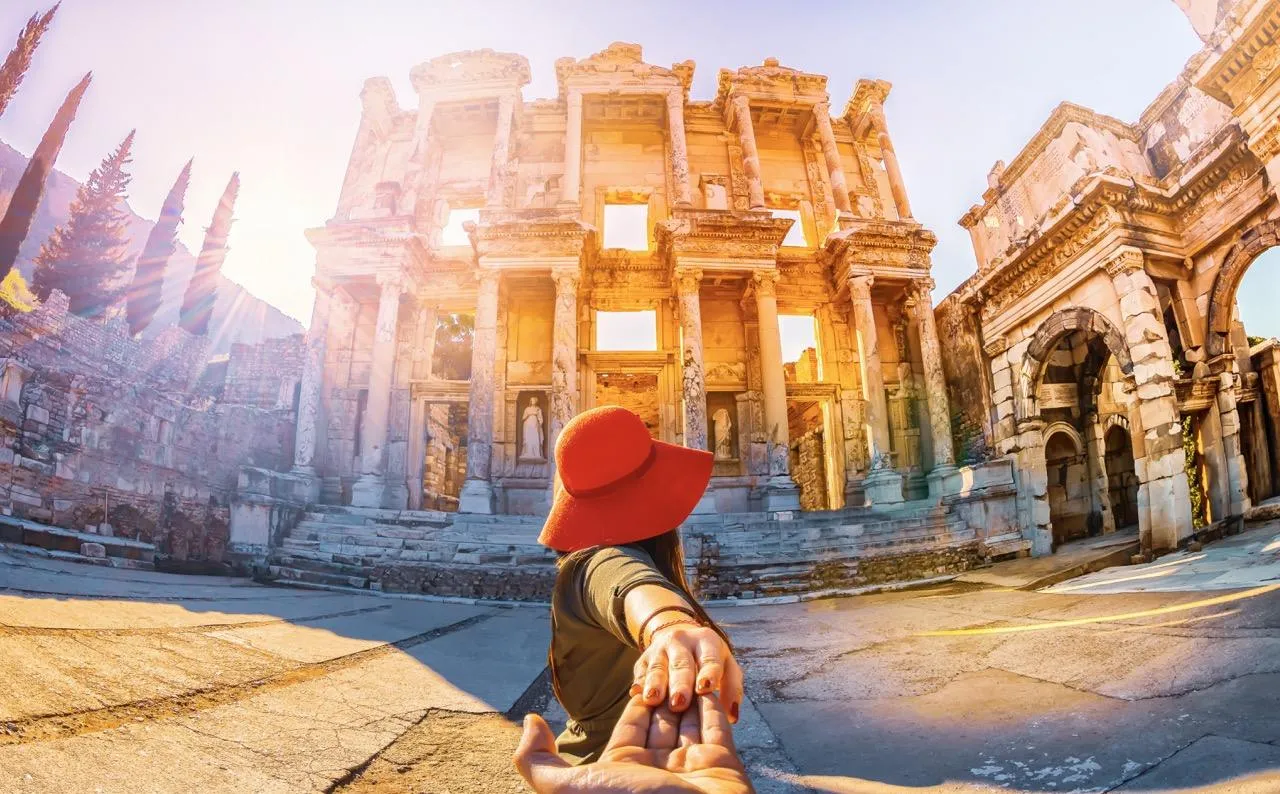
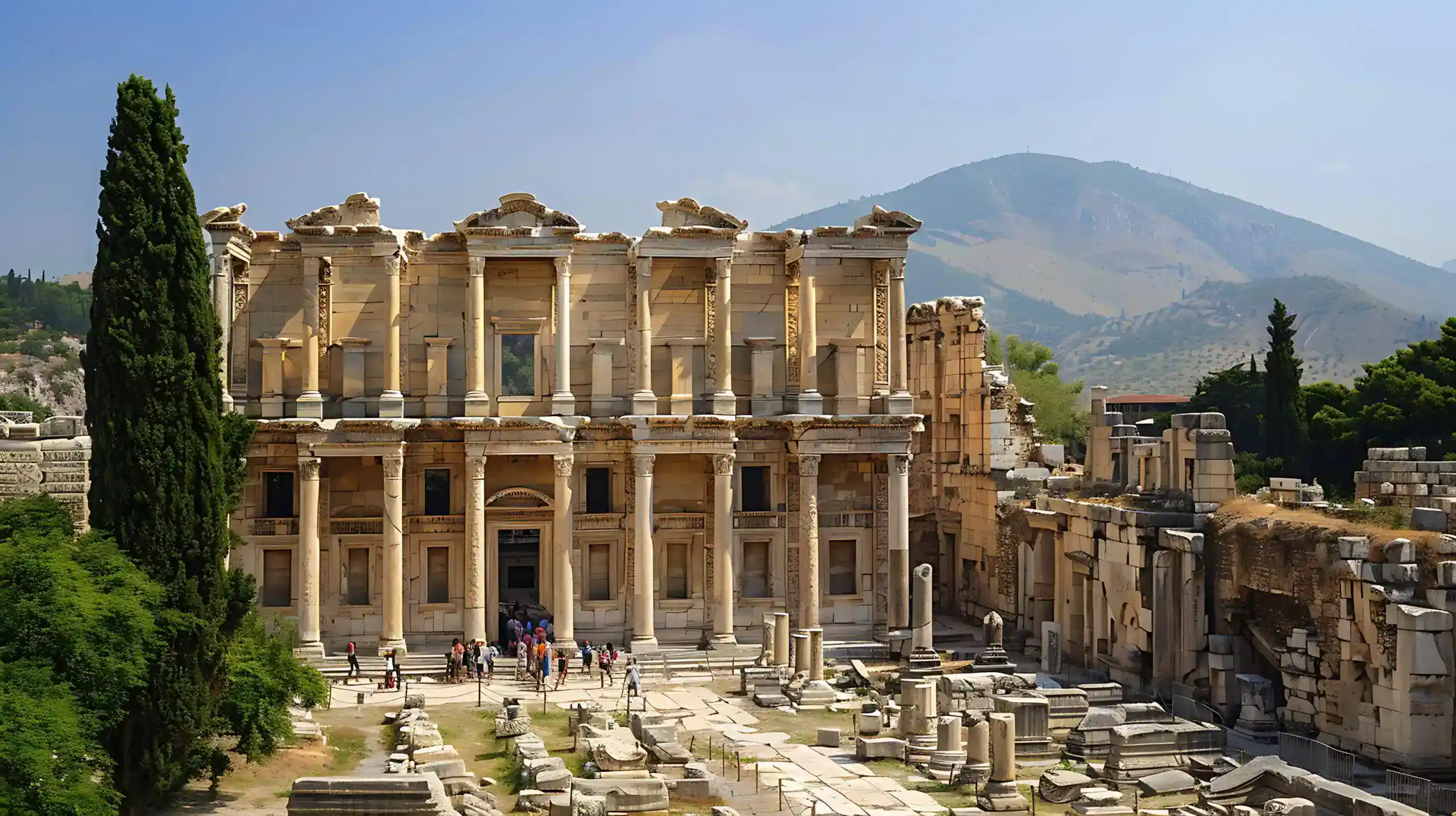
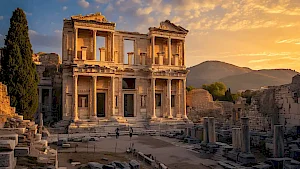
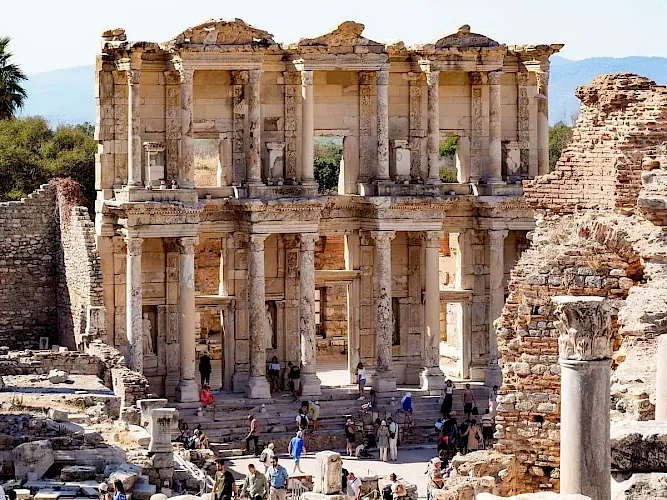
Today, the ruins of Ephesus serve as a bridge between its pagan and Christian pasts, offering visitors a window into the ancient world. The remnants of the Temple of Artemis stand alongside the Christian sites, symbolizing the city's complex religious heritage. Ephesus’s enduring appeal lies in its ability to tell the story of a society that experienced profound spiritual and cultural transformations. Visitors can walk the same streets that once hosted traders, worshippers, and apostles, and see firsthand the blend of Greek, Roman, and Christian influences that define the city’s architectural and cultural legacy. Ephesus stands as a testament to the resilience and adaptability of human civilization, offering insights into the ways in which spiritual beliefs shape and are shaped by the societies that hold them. For further information on the history of Ephesus, visit the Wikipedia page on Ephe
Introduction
Discover the fascinating world of From Artemis to Paul: Discovering Ephesus in Turkey in ancient Ephesus. This comprehensive guide explores the historical significance, archaeological findings, and cultural impact of this remarkable aspect of Ephesian heritage.
Historical Background
The history of From Artemis to Paul: Discovering Ephesus in Turkey dates back to the early days of Ephesus. Archaeological evidence suggests that this aspect of Ephesian life played a crucial role in shaping the city's development and cultural identity.
Archaeological Discoveries
Recent excavations have unveiled remarkable findings related to From Artemis to Paul: Discovering Ephesus in Turkey. These discoveries provide valuable insights into how this aspect of Ephesian life evolved over time.
Cultural Significance
Understanding From Artemis to Paul: Discovering Ephesus in Turkey is crucial for appreciating the broader cultural context of ancient Ephesus. Its influence extended beyond the city walls, impacting trade, religion, and daily life.
Visitor Information
Today, visitors to Ephesus can explore the remnants of From Artemis to Paul: Discovering Ephesus in Turkey firsthand. This section provides practical information for making the most of your visit.
Preservation and Future
Ongoing conservation efforts ensure that From Artemis to Paul: Discovering Ephesus in Turkey remains preserved for future generations. Learn about the challenges and successes in maintaining this important historical site.
Frequently Asked Questions
What is the historical significance of From Artemis to Paul: Discovering Ephesus in Turkey?
The From Artemis to Paul: Discovering Ephesus in Turkey holds great historical importance in ancient Ephesus, providing valuable insights into the city's cultural and social development.
What can visitors see related to From Artemis to Paul: Discovering Ephesus in Turkey today?
Visitors to Ephesus can explore well-preserved remains and artifacts related to From Artemis to Paul: Discovering Ephesus in Turkey, offering a glimpse into the ancient world.
When is the best time to visit From Artemis to Paul: Discovering Ephesus in Turkey?
The best time to visit is during the spring (April-May) or autumn (September-October) when the weather is mild and crowds are smaller.
Frequently Asked Questions
What is the historical significance of From Artemis to Paul: Discovering Ephesus in Turkey?
The From Artemis to Paul: Discovering Ephesus in Turkey holds great historical importance in ancient Ephesus, providing valuable insights into the city's cultural and social development.
What can visitors see related to From Artemis to Paul: Discovering Ephesus in Turkey today?
Visitors to Ephesus can explore well-preserved remains and artifacts related to From Artemis to Paul: Discovering Ephesus in Turkey, offering a glimpse into the ancient world.
When is the best time to visit From Artemis to Paul: Discovering Ephesus in Turkey?
The best time to visit is during the spring (April-May) or autumn (September-October) when the weather is mild and crowds are smaller.
Frequently Asked Questions
What is the historical significance of From Artemis to Paul: Discovering Ephesus in Turkey?
The From Artemis to Paul: Discovering Ephesus in Turkey holds great historical importance in ancient Ephesus, providing valuable insights into the city's cultural and social development.
What can visitors see related to From Artemis to Paul: Discovering Ephesus in Turkey today?
Visitors to Ephesus can explore well-preserved remains and artifacts related to From Artemis to Paul: Discovering Ephesus in Turkey, offering a glimpse into the ancient world.
When is the best time to visit From Artemis to Paul: Discovering Ephesus in Turkey?
The best time to visit is during the spring (April-May) or autumn (September-October) when the weather is mild and crowds are smaller.