

How to Capture the Best Photos of Ephesus
Discover tips for capturing stunning photos of Ephesus, from the best angles and times to shoot, to must-visit spots like the Library of Celsus and Great Theatre. Ephesus is a photographer’s dream, with its ancient ruins, grand architecture, and beautiful surroundings. Whether you’re an amateur or a seasoned photographer, you’ll find plenty of opportunities to capture the magic of this ancient city. Here are some tips to help you take the best photos of Ephesus and make the most of your visit.
1. Visit During Golden Hours
The golden hours, which are the first hour after sunrise and the last hour before sunset, offer the best lighting for photography. During these times, the soft, warm light enhances the textures and colors of the ancient stone, creating a dramatic effect that’s perfect for capturing the essence of Ephesus.
Tips for Golden Hour Photography:
- Arrive Early: Not only will you avoid the crowds, but you’ll also have the chance to capture the site in the quiet of the morning light.
- Late Afternoon: If an early morning visit isn’t possible, plan to explore in the late afternoon. As the sun sets, the soft light and longer shadows can create stunning, golden-hued shots.
2. Capture Iconic Spots in Ephesus
There are a few must-see spots in Ephesus that are especially photogenic. Each location offers unique perspectives and angles that highlight the city’s architectural beauty and historical significance.
Library of Celsus
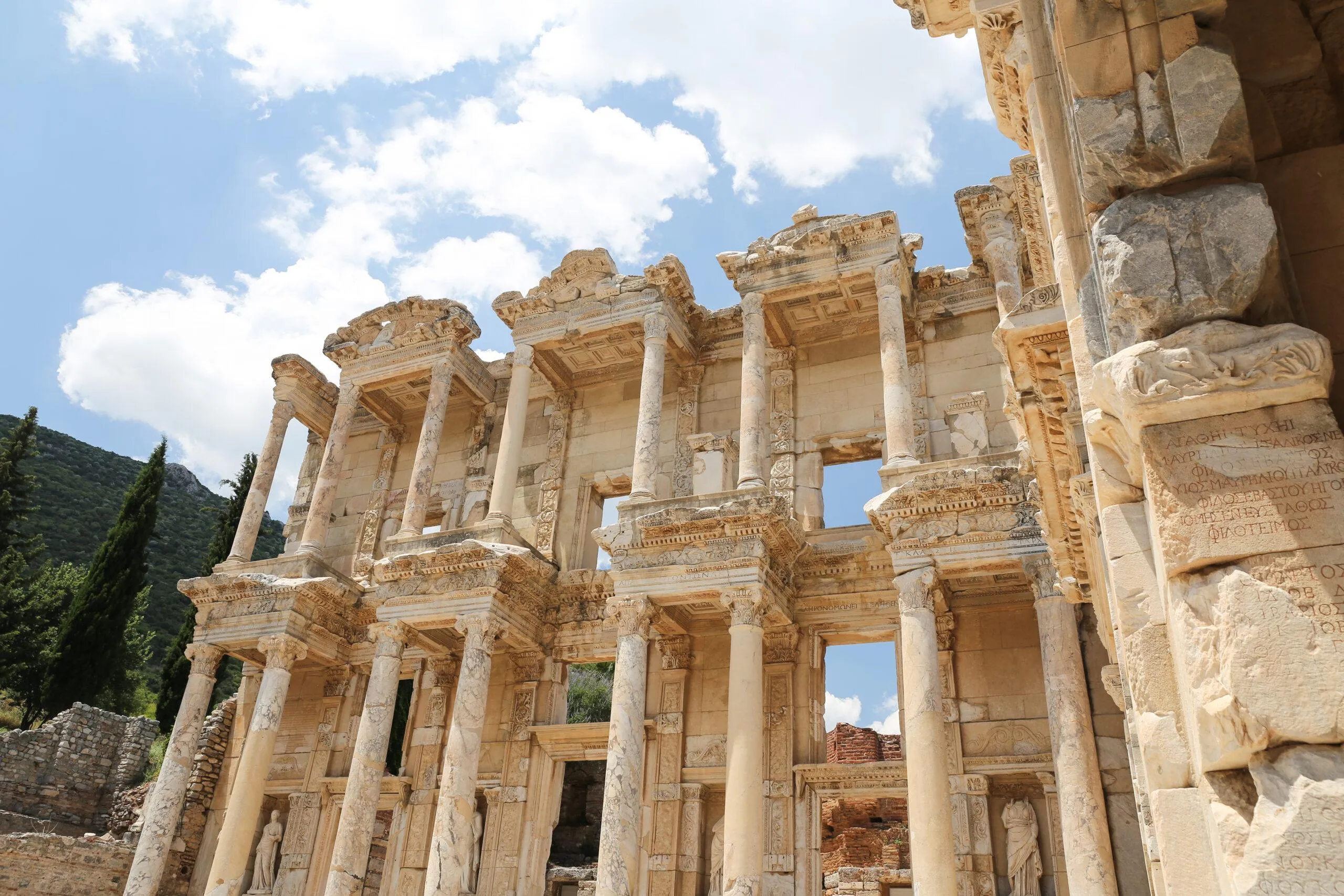
- The Facade: The Library of Celsus is one of the most photographed sites in Ephesus, known for its ornate facade with Corinthian columns and statues. Capture the library from a frontal angle to showcase its symmetry and grandeur.
- Morning Light: For the best lighting, try photographing the library in the morning, as the light illuminates the intricate details of the stonework.
- Close-Ups: Don’t miss the chance to take close-up shots of the statues and carvings for a detailed view of the artistry.
The Great Theatre
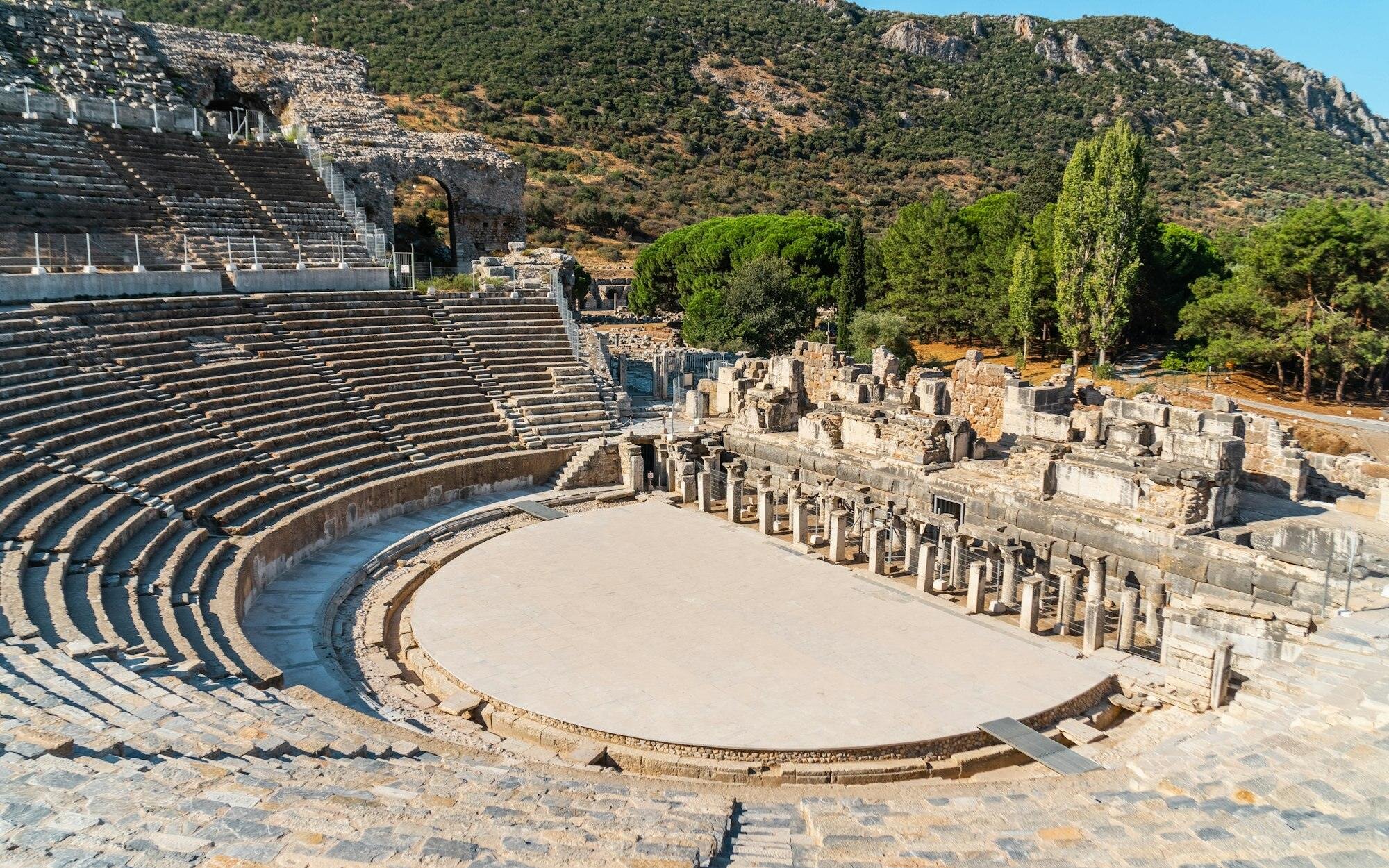
- Top Views: Climb to the top rows of the theatre to capture a wide-angle view of the seating area, the stage, and the surrounding landscape. The high vantage point provides a sweeping view of this massive structure.
- Side Angles: Experiment with side angles to showcase the depth and curvature of the seating rows. You’ll get a sense of the theatre’s size and architectural design.
- Golden Hour: The theatre is particularly beautiful during the late afternoon when the sunlight casts long shadows over the seating area.
Curetes Street
- Street Scenes: Capture the marble-paved Curetes Street lined with columns, statues, and ancient ruins. This street reflects the heart of Ephesus and offers a glimpse into daily life in the ancient city.
- Perspective Shots: Stand at one end of the street and use leading lines to create a perspective shot that draws the eye through the ruins. This technique works well to showcase the architectural depth of the site.
The Terrace Houses
- Interior Details: The Terrace Houses are filled with beautifully preserved mosaics and frescoes. Take close-up shots of the intricate artwork for a unique look at the luxury of Ephesian homes.
- Wide Shots: Capture the entire room to showcase the layout and decorative details of these ancient homes. Using a wide-angle lens here can help capture the full scope of the space.
3. Experiment with Angles and Perspectives
Ephesus is full of unique shapes, textures, and perspectives. Experimenting with different angles and compositions can help you capture its beauty in unexpected ways.
- Low Angles: Shooting from a lower angle can emphasize the grandeur of tall columns, statues, and temple facades, making them look even more imposing.
- Frame Your Shots: Use natural frames, such as archways or columns, to add depth to your photos and draw attention to the subject.
- Close-Ups and Details: Don’t forget to capture smaller details, like ancient inscriptions, carvings, or mosaic patterns. These add depth to your photo series and highlight the artistry of Ephesus.
4. Avoid the Crowds for Clean Shots
Ephesus is a popular destination, and during peak hours, it can be challenging to capture photos without people in the background. Here’s how to avoid the crowds:
- Arrive Early: Visiting as soon as the site opens gives you the best chance to take photos without large crowds, especially at popular spots like the Library of Celsus and Great Theatre.
- Visit Off-Season: If possible, plan your trip during the off-season (November to March). The site is much quieter during these months, allowing for unobstructed shots.
- Patience is Key: If you can’t avoid the crowds, be patient and wait for a break. Sometimes, even a few seconds is enough to capture a clear shot.
5. Use the Right Equipment
You don’t need a lot of gear to capture beautiful photos of Ephesus, but bringing a few essential items can enhance your experience.
Camera and Lenses
- DSLR or Mirrorless Camera: If you have one, a DSLR or mirrorless camera will give you the flexibility to adjust settings and capture high-quality images.
- Wide-Angle Lens: Ideal for capturing large structures like the Great Theatre and the Library of Celsus.
- Zoom Lens: Useful for close-ups of details and to capture subjects from a distance.
Other Useful Gear
- Tripod: A lightweight tripod can help stabilize your camera for long-exposure shots, especially during low-light conditions like sunrise or sunset.
- Polarizing Filter: This helps reduce glare and enhance colors, especially when photographing marble surfaces under bright sunlight.
- Smartphone Camera: Even if you don’t have professional equipment, a good smartphone camera can capture excellent photos. Experiment with its features to get creative shots.
6. Focus on Composition
Using simple composition techniques can transform your photos and highlight the beauty of Ephesus:
- Rule of Thirds: Divide your frame into thirds and place the subject off-center for a balanced and engaging shot.
- Leading Lines: Use pathways, columns, or streets to lead the viewer’s eye toward the main subject, creating depth in your photos.
- Symmetry and Patterns: Ancient structures often feature symmetry and repeating patterns. Center your shot to emphasize these elements and capture the artistry of the ruins.
7. Don’t Forget to Capture the Surroundings
In addition to the ruins, Ephesus is surrounded by beautiful landscapes and scenic views. Take some time to capture:
- Mt. Pion: The theatre offers a view of Mt. Pion, which adds to the sense of place in your photos.
- Olive Groves and Hills: The countryside around Ephesus is dotted with olive trees and rolling hills, perfect for landscape shots that show the natural beauty of the area.
- Local Wildlife: You might spot birds, lizards, or cats among the ruins. These make for charming and unique photos that add life to your collection.
Conclusion
Ephesus offers endless opportunities for capturing stunning photos, from iconic landmarks like the Library of Celsus to hidden details in the Terrace Houses. By planning your visit during golden hours, experimenting with angles, and focusing on composition, you can create a beautiful visual story of this ancient city. With a little patience and creativity, you’ll come away with photos that not only showcase the beauty of Ephesus but also preserve your memories of this remarkable place.
Introduction
Discover the fascinating world of How to Capture the Best Photos of Ephesus in ancient Ephesus. This comprehensive guide explores the historical significance, archaeological findings, and cultural impact of this remarkable aspect of Ephesian heritage.
Historical Background
The history of How to Capture the Best Photos of Ephesus dates back to the early days of Ephesus. Archaeological evidence suggests that this aspect of Ephesian life played a crucial role in shaping the city's development and cultural identity.
Archaeological Discoveries
Recent excavations have unveiled remarkable findings related to How to Capture the Best Photos of Ephesus. These discoveries provide valuable insights into how this aspect of Ephesian life evolved over time.
Cultural Significance
Understanding How to Capture the Best Photos of Ephesus is crucial for appreciating the broader cultural context of ancient Ephesus. Its influence extended beyond the city walls, impacting trade, religion, and daily life.
Visitor Information
Today, visitors to Ephesus can explore the remnants of How to Capture the Best Photos of Ephesus firsthand. This section provides practical information for making the most of your visit.
Preservation and Future
Ongoing conservation efforts ensure that How to Capture the Best Photos of Ephesus remains preserved for future generations. Learn about the challenges and successes in maintaining this important historical site.
Frequently Asked Questions
What is the historical significance of How to Capture the Best Photos of Ephesus?
The How to Capture the Best Photos of Ephesus holds great historical importance in ancient Ephesus, providing valuable insights into the city's cultural and social development.
What can visitors see related to How to Capture the Best Photos of Ephesus today?
Visitors to Ephesus can explore well-preserved remains and artifacts related to How to Capture the Best Photos of Ephesus, offering a glimpse into the ancient world.
When is the best time to visit How to Capture the Best Photos of Ephesus?
The best time to visit is during the spring (April-May) or autumn (September-October) when the weather is mild and crowds are smaller.
Frequently Asked Questions
What is the historical significance of How to Capture the Best Photos of Ephesus?
The How to Capture the Best Photos of Ephesus holds great historical importance in ancient Ephesus, providing valuable insights into the city's cultural and social development.
What can visitors see related to How to Capture the Best Photos of Ephesus today?
Visitors to Ephesus can explore well-preserved remains and artifacts related to How to Capture the Best Photos of Ephesus, offering a glimpse into the ancient world.
When is the best time to visit How to Capture the Best Photos of Ephesus?
The best time to visit is during the spring (April-May) or autumn (September-October) when the weather is mild and crowds are smaller.
Frequently Asked Questions
What is the historical significance of How to Capture the Best Photos of Ephesus?
The How to Capture the Best Photos of Ephesus holds great historical importance in ancient Ephesus, providing valuable insights into the city's cultural and social development.
What can visitors see related to How to Capture the Best Photos of Ephesus today?
Visitors to Ephesus can explore well-preserved remains and artifacts related to How to Capture the Best Photos of Ephesus, offering a glimpse into the ancient world.
When is the best time to visit How to Capture the Best Photos of Ephesus?
The best time to visit is during the spring (April-May) or autumn (September-October) when the weather is mild and crowds are smaller.