
What to See in Ephesus: Highlights of the Ancient City
Discover the must-see highlights of Ephesus, including the Library of Celsus, the Great Theatre, and the Temple of Artemis. Explore the ancient city’s rich history and architectural marvels. Ephesus, located near Selçuk in western Turkey, is one of the best-preserved ancient cities in the world and offers a captivating journey through history. As a major cultural, religious, and commercial hub of the ancient world, Ephesus boasts remarkable architecture, impressive ruins, and a rich heritage that reflects both Greek and Roman influences. This guide will take you through the top highlights of Ephesus, providing insights into its most famous landmarks and what makes this ancient city a must-visit destination.
1. The Library of Celsus
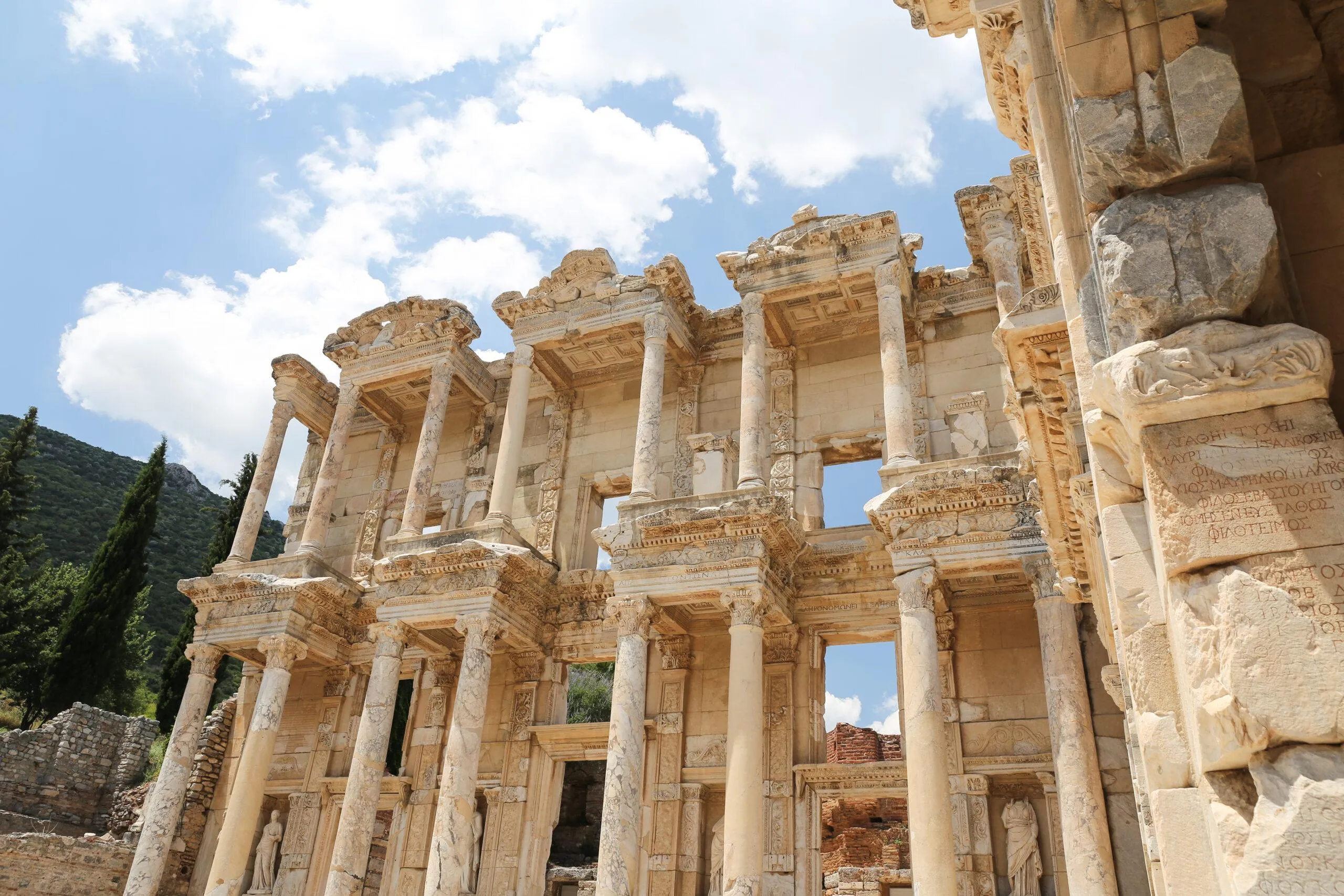
The Library of Celsus is one of the most iconic structures in Ephesus and a masterpiece of Roman architecture. Built around 110 CE in honor of Tiberius Julius Celsus, a Roman senator, the library once held over 12,000 scrolls and served as a monumental tomb for Celsus, who is buried beneath the building.
Highlights of the Library of Celsus:
- Stunning Facade: The library’s facade is adorned with Corinthian columns and statues representing Wisdom, Knowledge, Virtue, and Thought. This intricate design has made it one of the most photographed sites in Ephesus.
- Symbol of Knowledge: The Library of Celsus was not only a place for storing scrolls but also a symbol of Ephesus's commitment to learning and culture.
- Restoration: The facade has been carefully restored to reflect its original glory, allowing visitors to appreciate the architectural beauty and craftsmanship of the ancient builders.
2. The Great Theatre
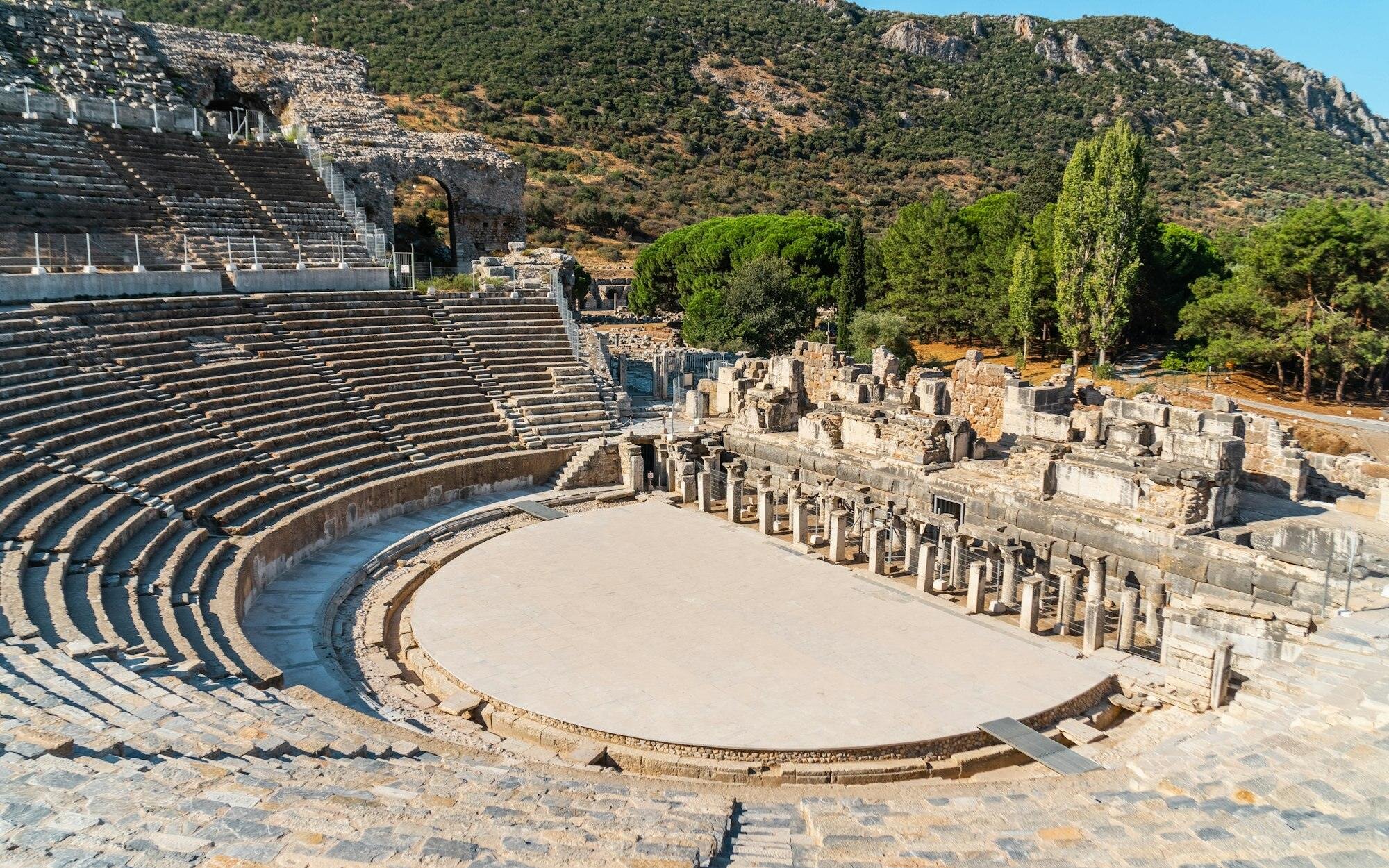
The Great Theatre of Ephesus, with a seating capacity of around 25,000 people, is another must-see highlight. Built into the slope of Mt. Pion, this massive structure hosted various performances, public gatherings, and gladiatorial contests. The theatre was also the site of the Ephesian Riot, as described in the Book of Acts, where the Apostle Paul’s teachings sparked a protest by followers of the goddess Artemis.
Highlights of the Great Theatre:
- Impressive Acoustics: The theatre’s design allows sound to carry throughout the entire seating area, making it perfect for performances even today.
- Panoramic Views: The top rows offer stunning views of the ancient city and surrounding countryside.
- Historical Significance: The theatre served as a venue for important civic and religious events, adding to its historical and cultural importance.
3. The Temple of Artemis
Once considered one of the Seven Wonders of the Ancient World, the Temple of Artemis was one of the largest temples of its time. Though only a few remnants of the temple remain today, it is a significant site for understanding Ephesus's religious heritage. Dedicated to Artemis, the goddess of the hunt and fertility, the temple attracted pilgrims from across the ancient world.
Highlights of the Temple of Artemis:
- Historic Site: Only a few columns remain, but the temple’s original footprint showcases its grand scale and the importance of Artemis worship in Ephesus.
- Legacy of a Wonder: Despite its ruin, the Temple of Artemis continues to draw visitors interested in ancient history and archaeology.
- Cultural Influence: The temple played a central role in the city’s economy and identity, highlighting the influence of Greek religion in the region.
4. The Terrace Houses
The Terrace Houses, also known as the “houses of the rich,” provide a glimpse into the lives of Ephesus’s wealthiest residents. Located on the slopes of Bülbül Hill, these houses feature beautifully preserved frescoes, mosaics, and intricate decorations.
Highlights of the Terrace Houses:
- Well-Preserved Interiors: The houses contain detailed mosaics and wall paintings that depict mythological scenes and everyday life.
- Advanced Amenities: The Terrace Houses had amenities such as underfloor heating, running water, and marble floors, reflecting the wealth and sophistication of their owners.
- Archaeological Insights: Ongoing excavations continue to reveal artifacts that provide insights into the social and cultural life of ancient Ephesus.
5. The Basilica of St. John
The Basilica of St. John, located just outside the main archaeological site, is believed to mark the burial site of John the Apostle. Built in the 6th century by Emperor Justinian, this grand basilica was an important pilgrimage site for early Christians.
Highlights of the Basilica of St. John:
- Ruins of a Byzantine Church: The basilica includes columns, mosaics, and remnants of a once-impressive structure, reflecting Byzantine architectural styles.
- Spiritual Significance: St. John, one of Jesus’s closest disciples, is thought to have lived in Ephesus and is traditionally believed to have been buried here.
- Panoramic Views: From the basilica, you can enjoy stunning views of Ephesus and the surrounding countryside, making it an ideal spot for reflection.
6. The Prytaneion (Town Hall)
The Prytaneion, or town hall, was the center of civic life in Ephesus. This area housed the eternal flame of Hestia, the goddess of hearth and home, symbolizing the unity and vitality of the city. The Prytaneion also served as a place for public gatherings, official ceremonies, and celebrations.
Highlights of the Prytaneion:
- Sacred Flame of Hestia: This eternal flame was maintained by the city’s officials and symbolized the heart of Ephesian society.
- Statues and Artifacts: Several statues, including those of Artemis, have been found in this area, showcasing the artistic and cultural heritage of Ephesus.
- Civic Importance: The Prytaneion was the administrative center where local officials managed the city’s affairs, making it an important part of Ephesian history.
7. The Temple of Hadrian
The Temple of Hadrian is a small but beautifully preserved structure dedicated to Emperor Hadrian. Built in the 2nd century CE, this temple features detailed reliefs and intricate carvings that depict scenes from the city’s mythology and history.
Highlights of the Temple of Hadrian:
- Intricate Reliefs: The temple’s frieze includes carvings of gods, mythological figures, and scenes from Ephesian life.
- Architectural Beauty: Though small, the Temple of Hadrian is one of the best-preserved monuments in Ephesus, showcasing the artistry of Roman architecture.
- Symbol of Imperial Worship: The temple reflects the Roman practice of emperor worship, which was an important aspect of religious life in Ephesus.
8. The Agora (Marketplace)
The Agora was the commercial heart of Ephesus, where merchants, traders, and artisans gathered to sell their goods. This bustling marketplace was a center of social and economic activity, with stalls and shops selling everything from food to luxury items.
Highlights of the Agora:
- Economic Hub: The Agora was where people came to buy, sell, and trade goods, reflecting the prosperity of ancient Ephesus.
- Meeting Place: The Agora was a social space where citizens gathered, discussed business, and exchanged news.
- Cultural Crossroads: As a major port city, Ephesus attracted traders from across the Roman Empire, making the Agora a melting pot of cultures and goods.
9. The Baths of Scholastica
The Baths of Scholastica, named after a wealthy Ephesian woman who funded their renovation in the 4th century CE, offer insight into the daily life and relaxation practices of ancient Ephesians. These public baths included hot, warm, and cold rooms, along with dressing areas and social spaces.
Highlights of the Baths:
- Roman Bathing Practices: The baths feature the traditional layout of caldarium (hot room), tepidarium (warm room), and frigidarium (cold room).
- Social Space: The baths were not only for bathing but also served as a gathering place for socializing, conducting business, and relaxing.
- Advanced Engineering: The Baths of Scholastica showcase the advanced engineering skills of the Romans, including underfloor heating systems that made the baths a comfortable space year-round.
Conclusion
Ephesus is a treasure trove of ancient history, with each landmark offering a unique glimpse into the lives, beliefs, and achievements of the people who once inhabited this remarkable city. From the grandeur of the Library of Celsus to the bustling Agora and the spiritual significance of the Basilica of St. John, Ephesus captures the essence of a thriving ancient metropolis. Whether you’re drawn to its religious heritage, its architectural marvels, or its role as a center of trade and culture, a visit to Ephesus promises an unforgettable experience that connects you to the past in profound ways. Take your time exploring these highlights, and let the rich history of Ephesus inspire your journey through one of the world’s most fascinating ancient cities.
Introduction
Discover the fascinating world of What to See in Ephesus: Highlights of the Ancient City in ancient Ephesus. This comprehensive guide explores the historical significance, archaeological findings, and cultural impact of this remarkable aspect of Ephesian heritage.
Historical Background
The history of What to See in Ephesus: Highlights of the Ancient City dates back to the early days of Ephesus. Archaeological evidence suggests that this aspect of Ephesian life played a crucial role in shaping the city's development and cultural identity.
Archaeological Discoveries
Recent excavations have unveiled remarkable findings related to What to See in Ephesus: Highlights of the Ancient City. These discoveries provide valuable insights into how this aspect of Ephesian life evolved over time.
Cultural Significance
Understanding What to See in Ephesus: Highlights of the Ancient City is crucial for appreciating the broader cultural context of ancient Ephesus. Its influence extended beyond the city walls, impacting trade, religion, and daily life.
Visitor Information
Today, visitors to Ephesus can explore the remnants of What to See in Ephesus: Highlights of the Ancient City firsthand. This section provides practical information for making the most of your visit.
Preservation and Future
Ongoing conservation efforts ensure that What to See in Ephesus: Highlights of the Ancient City remains preserved for future generations. Learn about the challenges and successes in maintaining this important historical site.
Frequently Asked Questions
What is the historical significance of What to See in Ephesus: Highlights of the Ancient City?
The What to See in Ephesus: Highlights of the Ancient City holds great historical importance in ancient Ephesus, providing valuable insights into the city's cultural and social development.
What can visitors see related to What to See in Ephesus: Highlights of the Ancient City today?
Visitors to Ephesus can explore well-preserved remains and artifacts related to What to See in Ephesus: Highlights of the Ancient City, offering a glimpse into the ancient world.
When is the best time to visit What to See in Ephesus: Highlights of the Ancient City?
The best time to visit is during the spring (April-May) or autumn (September-October) when the weather is mild and crowds are smaller.
Frequently Asked Questions
What is the historical significance of What to See in Ephesus: Highlights of the Ancient City?
The What to See in Ephesus: Highlights of the Ancient City holds great historical importance in ancient Ephesus, providing valuable insights into the city's cultural and social development.
What can visitors see related to What to See in Ephesus: Highlights of the Ancient City today?
Visitors to Ephesus can explore well-preserved remains and artifacts related to What to See in Ephesus: Highlights of the Ancient City, offering a glimpse into the ancient world.
When is the best time to visit What to See in Ephesus: Highlights of the Ancient City?
The best time to visit is during the spring (April-May) or autumn (September-October) when the weather is mild and crowds are smaller.
Frequently Asked Questions
What is the historical significance of What to See in Ephesus: Highlights of the Ancient City?
The What to See in Ephesus: Highlights of the Ancient City holds great historical importance in ancient Ephesus, providing valuable insights into the city's cultural and social development.
What can visitors see related to What to See in Ephesus: Highlights of the Ancient City today?
Visitors to Ephesus can explore well-preserved remains and artifacts related to What to See in Ephesus: Highlights of the Ancient City, offering a glimpse into the ancient world.
When is the best time to visit What to See in Ephesus: Highlights of the Ancient City?
The best time to visit is during the spring (April-May) or autumn (September-October) when the weather is mild and crowds are smaller.