

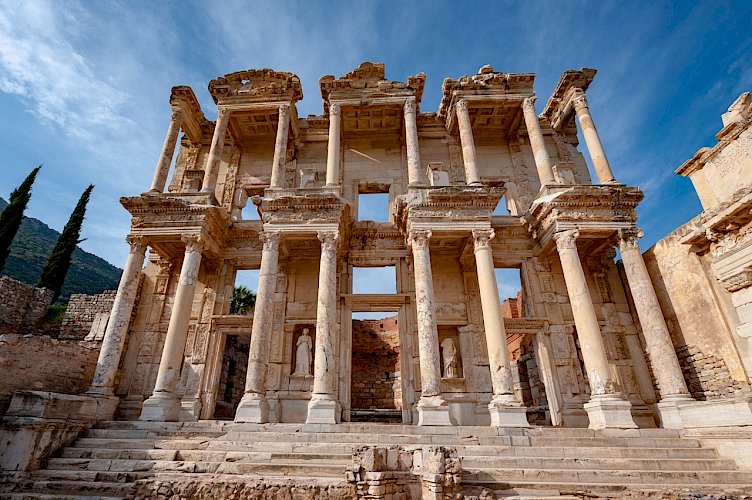
Ephesus and the Worship of Artemis
Discover the significance of Artemis in Ephesus, including her worship, the grand Temple of Artemis, and the cultural impact on the ancient city. Ephesus, one of the most prominent cities of the ancient world, was renowned for its association with the goddess Artemis, the Greek deity of the hunt, wilderness, fertility, and childbirth. The worship of Artemis played a pivotal role in the cultural and religious landscape of Ephesus, influencing the city’s identity and attracting pilgrims from across the Mediterranean. This guide explores the significance of Artemis in Ephesus, the grandeur of her temple, and the cultural impact of her worship.
1. Artemis: The Goddess
Overview of Artemis:
- Artemis was revered as a multifaceted goddess associated with various aspects of life, including nature, protection of women and children, and fertility. She was often depicted as a huntress, carrying a bow and arrows, and accompanied by animals such as deer.
Symbolism:
- As a protector of the vulnerable, Artemis embodied strength and independence, making her an important figure for women in ancient societies. Her worship emphasized themes of fertility, motherhood, and the natural world.
2. The Temple of Artemis
Architectural Marvel:
- The Temple of Artemis in Ephesus, also known as the Artemision, was one of the Seven Wonders of the Ancient World. Originally constructed in the 6th century BCE, it was renowned for its impressive size and intricate design.
- The temple featured 127 columns, each about 18 meters (60 feet) tall, and was adorned with exquisite sculptures and reliefs, showcasing the artistic skills of the time.
Cultural Center:
- The Temple of Artemis served not only as a place of worship but also as a cultural hub, where festivals, celebrations, and rituals dedicated to the goddess took place. The Artemisia, a festival held in her honor, included athletic competitions, sacrifices, and musical performances, reinforcing her importance in the community.
Economic Impact:
- The temple attracted pilgrims and tourists from distant lands, contributing to the local economy. Merchants and craftsmen thrived in Ephesus, benefiting from the influx of visitors who came to pay homage to Artemis.
3. Worship Practices
Rituals and Offerings:
- The worship of Artemis involved various rituals, including sacrifices, prayers, and offerings. Animals such as sheep and goats were often sacrificed to seek her favor and blessings.
- Priests and priestesses conducted ceremonies, interpreting signs and omens that were believed to indicate the goddess's will.
Pilgrimage Site:
- Ephesus became a major pilgrimage destination for those seeking the blessings of Artemis. Devotees would journey to the temple to offer prayers, seek healing, and participate in communal celebrations.
4. The Decline of Artemis Worship
Transition to Christianity:
- The rise of Christianity in the region led to a gradual decline in the worship of Artemis. As Christian beliefs spread, many pagan temples, including the Temple of Artemis, were abandoned or repurposed.
- The temple faced destruction during the invasions and conflicts of the late antiquity period, culminating in its eventual ruin.
Cultural Legacy:
- Despite the decline of her worship, Artemis remained a significant cultural symbol in Ephesus. Her legends and stories continued to inspire art, literature, and local traditions, reflecting the city’s rich heritage.
5. Modern Significance
Tourism:
- Today, the ruins of the Temple of Artemis are a popular tourist attraction, drawing visitors from around the world. Although little remains of the original structure, the site serves as a reminder of Ephesus's historical importance and the worship of Artemis.
Cultural Heritage:
- The legacy of Artemis endures in Ephesus’s cultural identity, symbolizing the city’s rich history and its connections to ancient beliefs. Festivals and events celebrating Artemis’s heritage are occasionally held, celebrating the goddess's influence on the city.
Conclusion
The worship of Artemis in Ephesus was a vital aspect of the city’s identity, shaping its culture, economy, and religious practices. The grandeur of the Temple of Artemis and the vibrant rituals surrounding her worship reflect the deep reverence held for the goddess. While the decline of her worship marked the end of an era, the legacy of Artemis continues to resonate through the ruins of Ephesus, reminding us of the city’s historical significance and the enduring power of myth and belief. As you explore the ancient ruins, you can appreciate the rich tapestry of history that celebrates the goddess who once held a prominent place in the hearts of Ephesians.
Introduction
Discover the fascinating world of Ephesus and the Worship of Artemis in ancient Ephesus. This comprehensive guide explores the historical significance, archaeological findings, and cultural impact of this remarkable aspect of Ephesian heritage.
Historical Background
The history of Ephesus and the Worship of Artemis dates back to the early days of Ephesus. Archaeological evidence suggests that this aspect of Ephesian life played a crucial role in shaping the city's development and cultural identity.
Archaeological Discoveries
Recent excavations have unveiled remarkable findings related to Ephesus and the Worship of Artemis. These discoveries provide valuable insights into how this aspect of Ephesian life evolved over time.
Cultural Significance
Understanding Ephesus and the Worship of Artemis is crucial for appreciating the broader cultural context of ancient Ephesus. Its influence extended beyond the city walls, impacting trade, religion, and daily life.
Visitor Information
Today, visitors to Ephesus can explore the remnants of Ephesus and the Worship of Artemis firsthand. This section provides practical information for making the most of your visit.
Preservation and Future
Ongoing conservation efforts ensure that Ephesus and the Worship of Artemis remains preserved for future generations. Learn about the challenges and successes in maintaining this important historical site.
Frequently Asked Questions
What is the historical significance of Ephesus and the Worship of Artemis?
The Ephesus and the Worship of Artemis holds great historical importance in ancient Ephesus, providing valuable insights into the city's cultural and social development.
What can visitors see related to Ephesus and the Worship of Artemis today?
Visitors to Ephesus can explore well-preserved remains and artifacts related to Ephesus and the Worship of Artemis, offering a glimpse into the ancient world.
When is the best time to visit Ephesus and the Worship of Artemis?
The best time to visit is during the spring (April-May) or autumn (September-October) when the weather is mild and crowds are smaller.
Frequently Asked Questions
What is the historical significance of Ephesus and the Worship of Artemis?
The Ephesus and the Worship of Artemis holds great historical importance in ancient Ephesus, providing valuable insights into the city's cultural and social development.
What can visitors see related to Ephesus and the Worship of Artemis today?
Visitors to Ephesus can explore well-preserved remains and artifacts related to Ephesus and the Worship of Artemis, offering a glimpse into the ancient world.
When is the best time to visit Ephesus and the Worship of Artemis?
The best time to visit is during the spring (April-May) or autumn (September-October) when the weather is mild and crowds are smaller.
Frequently Asked Questions
What is the historical significance of Ephesus and the Worship of Artemis?
The Ephesus and the Worship of Artemis holds great historical importance in ancient Ephesus, providing valuable insights into the city's cultural and social development.
What can visitors see related to Ephesus and the Worship of Artemis today?
Visitors to Ephesus can explore well-preserved remains and artifacts related to Ephesus and the Worship of Artemis, offering a glimpse into the ancient world.
When is the best time to visit Ephesus and the Worship of Artemis?
The best time to visit is during the spring (April-May) or autumn (September-October) when the weather is mild and crowds are smaller.


