

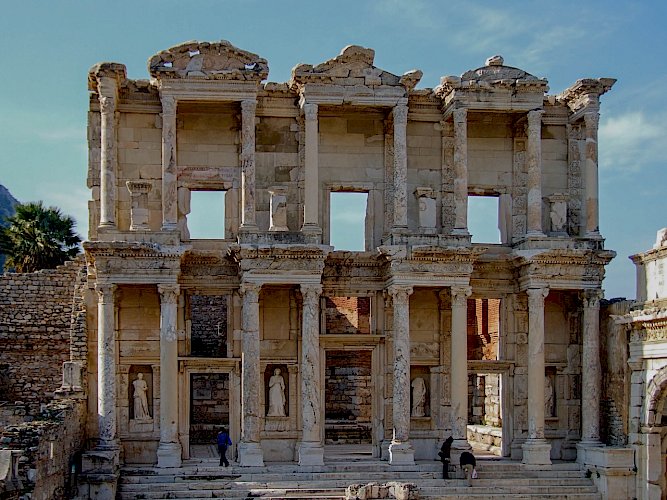
Famous Figures of Ephesus: Myths and Realities
Explore the famous figures of Ephesus, including legendary characters and historical individuals. Discover the myths and realities that shaped this ancient city’s rich history. Ephesus, an iconic city of the ancient world, is not only known for its magnificent ruins but also for the famous figures associated with its history. From mythological deities and legendary heroes to influential historical figures, Ephesus has a rich tapestry of stories that intertwine myths and realities. This guide delves into some of the most notable figures linked to Ephesus, exploring their significance and the impact they had on the city’s legacy.
1. Artemis: The Divine Protector
Overview:
- Artemis, the Greek goddess of the hunt, fertility, and childbirth, was the most significant deity worshipped in Ephesus. Her temple, the Temple of Artemis, was one of the Seven Wonders of the Ancient World and served as a focal point for worship.
Mythical Significance:
- Artemis was revered as a protector of women and children, embodying strength and independence. Myths surrounding her birth and adventures highlight her connection to nature and the importance of fertility.
Cultural Impact:
- The worship of Artemis significantly influenced the social and economic life of Ephesus, making her a central figure in the city's identity.
2. Androklos: The Legendary Founder
Overview:
- Androklos is credited with the founding of Ephesus according to legend. The story goes that he followed an oracle’s advice and settled in the area after slaying a wild boar, marking the site for a new city.
Mythical Narrative:
- This founding legend symbolizes themes of destiny and divine intervention. It reflects the ancient belief that the gods guided the lives of mortals, shaping the course of history.
Cultural Legacy:
- Androklos’s story became a foundational myth for Ephesus, reinforcing its identity and serving as a source of pride for its citizens.
3. St. John: The Apostle and Evangelist
Overview:
- St. John the Apostle is believed to have played a significant role in the early Christian community in Ephesus. According to tradition, he brought Mary, the mother of Jesus, to Ephesus, where she is said to have lived her final years.
Historical Reality:
- John’s association with Ephesus is supported by early Christian writings, suggesting that he was a prominent figure in the development of Christianity in the region.
Legacy:
- The Basilica of St. John, built over his supposed burial site, is a testament to his influence. His writings, particularly the Gospel of John and the Book of Revelation, have had a profound impact on Christian theology.
4. Heraclitus: The Philosopher of Change
Overview:
- Heraclitus, a pre-Socratic philosopher born in Ephesus around 535 BCE, is famous for his doctrine of change being central to the universe. He is best known for the phrase, "You cannot step into the same river twice."
Philosophical Contributions:
- Heraclitus’s philosophy emphasized the constant flux of life and the unity of opposites. His ideas have influenced various philosophical movements, including Stoicism.
Cultural Impact:
- His legacy as a thinker remains significant in both philosophy and the broader context of ancient Greek thought, underscoring Ephesus's role as a center of intellectual activity.
5. Galen: The Father of Medicine
Overview:
- Galen, a prominent physician born in Pergamon, spent significant time in Ephesus. He is often regarded as one of the most influential medical writers in history.
Contributions to Medicine:
- Galen’s extensive writings on anatomy, physiology, and medicine shaped the medical understanding for centuries. His work laid the groundwork for future medical practices and theories.
Lasting Influence:
- The influence of Galen extended far beyond Ephesus, impacting both Islamic and Western medicine throughout the Middle Ages and Renaissance.
6. The Seven Sleepers of Ephesus
Overview:
- The legend of the Seven Sleepers tells the story of seven Christian youths who sought refuge in a cave to escape persecution. They fell into a deep sleep and awoke centuries later to find Ephesus transformed.
Mythical Significance:
- This tale symbolizes themes of faith, endurance, and the hope of resurrection. It highlights the enduring power of belief in the face of adversity.
Cultural Legacy:
- The story of the Seven Sleepers has been retold in various forms and continues to resonate within Christian and Islamic traditions, emphasizing the significance of Ephesus in religious history.
Conclusion
Ephesus is a city rich in myths and realities, with its famous figures leaving an indelible mark on its history and culture. From the divine protector Artemis to the legendary founder Androklos, and influential historical figures like St. John and Galen, each character contributes to the intricate tapestry of Ephesus’s identity. The intertwining of myth and reality not only shapes our understanding of this ancient city but also enriches the legacy that continues to inspire curiosity and reverence today. As you explore the ruins of Ephesus, the stories of these remarkable figures will echo through time, inviting reflection on the enduring power of history and myth.
Introduction
Discover the fascinating world of Famous Figures of Ephesus: Myths and Realities in ancient Ephesus. This comprehensive guide explores the historical significance, archaeological findings, and cultural impact of this remarkable aspect of Ephesian heritage.
Historical Background
The history of Famous Figures of Ephesus: Myths and Realities dates back to the early days of Ephesus. Archaeological evidence suggests that this aspect of Ephesian life played a crucial role in shaping the city's development and cultural identity.
Archaeological Discoveries
Recent excavations have unveiled remarkable findings related to Famous Figures of Ephesus: Myths and Realities. These discoveries provide valuable insights into how this aspect of Ephesian life evolved over time.
Cultural Significance
Understanding Famous Figures of Ephesus: Myths and Realities is crucial for appreciating the broader cultural context of ancient Ephesus. Its influence extended beyond the city walls, impacting trade, religion, and daily life.
Visitor Information
Today, visitors to Ephesus can explore the remnants of Famous Figures of Ephesus: Myths and Realities firsthand. This section provides practical information for making the most of your visit.
Preservation and Future
Ongoing conservation efforts ensure that Famous Figures of Ephesus: Myths and Realities remains preserved for future generations. Learn about the challenges and successes in maintaining this important historical site.
Frequently Asked Questions
What is the historical significance of Famous Figures of Ephesus: Myths and Realities?
The Famous Figures of Ephesus: Myths and Realities holds great historical importance in ancient Ephesus, providing valuable insights into the city's cultural and social development.
What can visitors see related to Famous Figures of Ephesus: Myths and Realities today?
Visitors to Ephesus can explore well-preserved remains and artifacts related to Famous Figures of Ephesus: Myths and Realities, offering a glimpse into the ancient world.
When is the best time to visit Famous Figures of Ephesus: Myths and Realities?
The best time to visit is during the spring (April-May) or autumn (September-October) when the weather is mild and crowds are smaller.
Frequently Asked Questions
What is the historical significance of Famous Figures of Ephesus: Myths and Realities?
The Famous Figures of Ephesus: Myths and Realities holds great historical importance in ancient Ephesus, providing valuable insights into the city's cultural and social development.
What can visitors see related to Famous Figures of Ephesus: Myths and Realities today?
Visitors to Ephesus can explore well-preserved remains and artifacts related to Famous Figures of Ephesus: Myths and Realities, offering a glimpse into the ancient world.
When is the best time to visit Famous Figures of Ephesus: Myths and Realities?
The best time to visit is during the spring (April-May) or autumn (September-October) when the weather is mild and crowds are smaller.
Frequently Asked Questions
What is the historical significance of Famous Figures of Ephesus: Myths and Realities?
The Famous Figures of Ephesus: Myths and Realities holds great historical importance in ancient Ephesus, providing valuable insights into the city's cultural and social development.
What can visitors see related to Famous Figures of Ephesus: Myths and Realities today?
Visitors to Ephesus can explore well-preserved remains and artifacts related to Famous Figures of Ephesus: Myths and Realities, offering a glimpse into the ancient world.
When is the best time to visit Famous Figures of Ephesus: Myths and Realities?
The best time to visit is during the spring (April-May) or autumn (September-October) when the weather is mild and crowds are smaller.


