

The Great Earthquake That Shook Ephesus: A Historical Acc...
Explore the historical account of the great earthquake that devastated Ephesus, its impact on the city, and the subsequent rebuilding efforts that shaped its legacy. Ephesus, a thriving metropolis of the ancient world, was not only known for its architectural marvels and rich cultural heritage but also for the natural disasters that shaped its history. Among these, a significant earthquake struck the city, causing widespread destruction and altering its trajectory. This account delves into the great earthquake that shook Ephesus, examining its historical context, impact, and the efforts made to rebuild the city.
1. Historical Context of Ephesus
A City of Great Importance:
- Ephesus was one of the most prominent cities in the ancient Mediterranean, renowned for its commerce, culture, and as a center of worship for the goddess Artemis. The city’s strategic location near the Aegean Sea made it a bustling hub of trade and cultural exchange.
Architectural Grandeur:
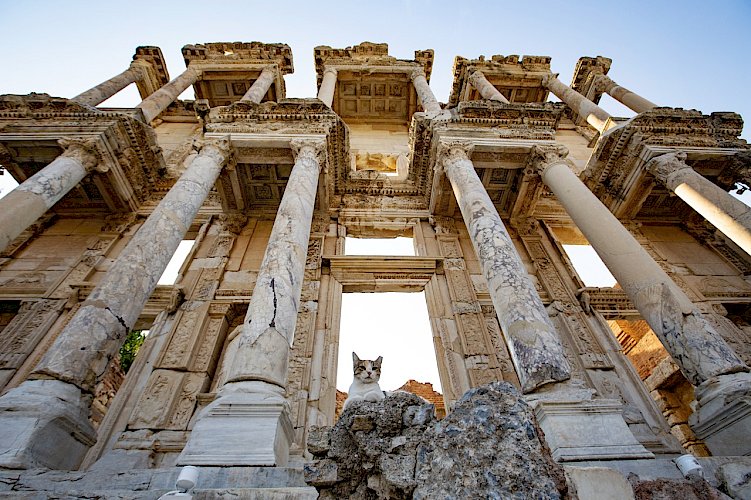
- The city was adorned with magnificent structures, including the Temple of Artemis, the Library of Celsus, and the Great Theatre. These landmarks were not only symbols of Ephesus’s wealth but also significant religious and cultural centers.
2. The Great Earthquake
Timing of the Earthquake:
- The great earthquake that struck Ephesus is generally believed to have occurred in 262 CE. This period was marked by instability in the Roman Empire, with political turmoil and external threats contributing to a tense atmosphere.
Destruction:
- The earthquake caused extensive damage to buildings, infrastructure, and the city's water supply. Many structures, including the Temple of Artemis, were severely affected, leading to significant loss of life and property.
Immediate Impact:
- In the aftermath, the city faced economic hardship as trade routes were disrupted and the population sought to rebuild their lives amidst the ruins. The destruction of vital religious sites also impacted the city’s cultural and spiritual identity.
3. Rebuilding Efforts
Response to the Disaster:
- In the wake of the earthquake, efforts were initiated to restore Ephesus to its former glory. The local government, along with the support of the Roman Empire, organized rebuilding projects that focused on restoring essential infrastructure and public buildings.
Reconstruction of the Temple of Artemis:
- The Temple of Artemis, one of the most significant structures in Ephesus, underwent extensive restoration following the earthquake. The reconstruction showcased the resilience of the city and its devotion to the goddess, reaffirming the temple's importance as a center of worship.
Architectural Innovations:
- The rebuilding process also introduced architectural innovations and improvements. The use of better construction techniques aimed to enhance the structural integrity of buildings, making them more resilient to future earthquakes.
4. The Legacy of the Earthquake
Long-Term Effects:
- The earthquake and its aftermath left a lasting impact on Ephesus. While the city was eventually rebuilt, the economic and social changes initiated by the disaster altered its dynamics.
- Ephesus continued to thrive for several centuries but faced further challenges, including invasions and additional natural disasters.
Cultural Memory:
- The great earthquake became part of Ephesus’s historical narrative, serving as a reminder of the city’s vulnerability to natural disasters. Stories and legends surrounding the event were likely passed down through generations, contributing to the cultural memory of the city.
5. Conclusion
The great earthquake that shook Ephesus in 262 CE was a pivotal moment in the city's history, leading to widespread destruction and significant changes in its social and economic fabric. The resilience of the Ephesians, reflected in their efforts to rebuild and restore their beloved city, is a testament to their enduring spirit. Today, as visitors explore the ruins of Ephesus, they can appreciate not only the architectural grandeur that remains but also the stories of perseverance that shaped this remarkable ancient city. Ephesus stands as a symbol of the complexities of human experience, reminding us of the delicate balance between civilization and the forces of nature.
Introduction
Discover the fascinating world of The Great Earthquake That Shook Ephesus: A Historical Acc... in ancient Ephesus. This comprehensive guide explores the historical significance, archaeological findings, and cultural impact of this remarkable aspect of Ephesian heritage.
Historical Background
The history of The Great Earthquake That Shook Ephesus: A Historical Acc... dates back to the early days of Ephesus. Archaeological evidence suggests that this aspect of Ephesian life played a crucial role in shaping the city's development and cultural identity.
Archaeological Discoveries
Recent excavations have unveiled remarkable findings related to The Great Earthquake That Shook Ephesus: A Historical Acc.... These discoveries provide valuable insights into how this aspect of Ephesian life evolved over time.
Cultural Significance
Understanding The Great Earthquake That Shook Ephesus: A Historical Acc... is crucial for appreciating the broader cultural context of ancient Ephesus. Its influence extended beyond the city walls, impacting trade, religion, and daily life.
Visitor Information
Today, visitors to Ephesus can explore the remnants of The Great Earthquake That Shook Ephesus: A Historical Acc... firsthand. This section provides practical information for making the most of your visit.
Preservation and Future
Ongoing conservation efforts ensure that The Great Earthquake That Shook Ephesus: A Historical Acc... remains preserved for future generations. Learn about the challenges and successes in maintaining this important historical site.
Frequently Asked Questions
What is the historical significance of The Great Earthquake That Shook Ephesus: A Historical Acc...?
The The Great Earthquake That Shook Ephesus: A Historical Acc... holds great historical importance in ancient Ephesus, providing valuable insights into the city's cultural and social development.
What can visitors see related to The Great Earthquake That Shook Ephesus: A Historical Acc... today?
Visitors to Ephesus can explore well-preserved remains and artifacts related to The Great Earthquake That Shook Ephesus: A Historical Acc..., offering a glimpse into the ancient world.
When is the best time to visit The Great Earthquake That Shook Ephesus: A Historical Acc...?
The best time to visit is during the spring (April-May) or autumn (September-October) when the weather is mild and crowds are smaller.
Frequently Asked Questions
What is the historical significance of The Great Earthquake That Shook Ephesus: A Historical Acc...?
The The Great Earthquake That Shook Ephesus: A Historical Acc... holds great historical importance in ancient Ephesus, providing valuable insights into the city's cultural and social development.
What can visitors see related to The Great Earthquake That Shook Ephesus: A Historical Acc... today?
Visitors to Ephesus can explore well-preserved remains and artifacts related to The Great Earthquake That Shook Ephesus: A Historical Acc..., offering a glimpse into the ancient world.
When is the best time to visit The Great Earthquake That Shook Ephesus: A Historical Acc...?
The best time to visit is during the spring (April-May) or autumn (September-October) when the weather is mild and crowds are smaller.
Frequently Asked Questions
What is the historical significance of The Great Earthquake That Shook Ephesus: A Historical Acc...?
The The Great Earthquake That Shook Ephesus: A Historical Acc... holds great historical importance in ancient Ephesus, providing valuable insights into the city's cultural and social development.
What can visitors see related to The Great Earthquake That Shook Ephesus: A Historical Acc... today?
Visitors to Ephesus can explore well-preserved remains and artifacts related to The Great Earthquake That Shook Ephesus: A Historical Acc..., offering a glimpse into the ancient world.
When is the best time to visit The Great Earthquake That Shook Ephesus: A Historical Acc...?
The best time to visit is during the spring (April-May) or autumn (September-October) when the weather is mild and crowds are smaller.


