
The Mystical World of Saronia: Ephesus in Myth and Romance
Ephesus, an ancient city rich in myth and legend, was a place where spirituality and romance intertwined. This city, known for the grand Temple of Artemis, was home to countless stories of divine beings and human lovers. Among them was Saronia, a woman whose life embodied the mystical allure of Ephesus. Her journey reflects the city’s blend of myth, devotion, and passion—a world where the gods walked among mortals and where love stories were as enduring as the ruins that still stand today.
Ephesus: A City of Myths and Legends
Ephesus was more than just a center of trade and religion; it was a place steeped in ancient myths. The Temple of Artemis, one of the Seven Wonders of the Ancient World, drew pilgrims and travelers from afar, each seeking a connection with the divine. Artemis, the goddess of the hunt and the protector of women, was deeply revered, and her presence was felt throughout the city. For Saronia, Ephesus was a world where myth and reality coexisted. As a priestess of Artemis, she lived in a realm where gods and mortals often crossed paths, where rituals honored the divine, and where the city itself felt enchanted. The myths of Ephesus spoke of powerful goddesses, heroic deeds, and love stories that defied time—stories that Saronia embodied in her own life.
The Romance of Saronia
Saronia’s life was filled with both mystical experiences and personal connections. Her love for Chios, a Greek artist, was an extension of the romantic spirit that flowed through Ephesus. Their relationship, though hidden, was a source of strength and solace for Saronia. As a priestess, she found herself balancing her duties to Artemis with her personal desires, reflecting the themes of love and sacrifice that were central to the city’s legends. Their love was not just a personal story but part of the larger romance that defined Ephesus. In a city where myths came alive, Saronia’s love for Chios was a reminder that even those dedicated to the gods were not immune to the pull of human connection. Their story mirrored the timeless tales of lovers bound by fate, adding to the city’s legacy of passion and mysticism.
The Mystical Powers of Ephesus
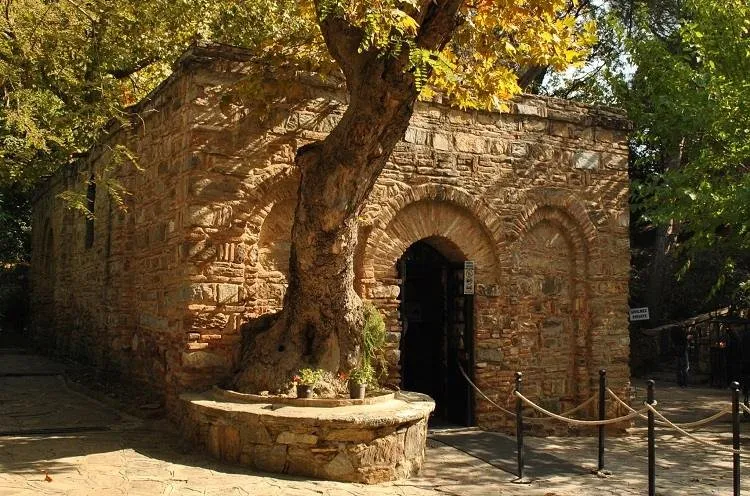
Ephesus was known for its mystical practices, from the worship of Artemis to the rites honoring Hecate, the goddess of magic. Saronia’s role as a priestess placed her at the heart of these spiritual traditions. She participated in rituals that honored the gods and tapped into the mystical forces that permeated the city. For visitors, Ephesus was a place where one could seek blessings, guidance, and healing—where the boundary between the natural and the supernatural felt thin. Today, the mystical world of Ephesus continues to captivate those who visit. The ruins echo with the stories of ancient lovers and devotees, and the city’s legacy as a center of myth and romance endures. Saronia’s story remains a symbol of the enchanting power of Ephesus, a reminder of a world where love and the divine were forever intertwined. For more insights into the myths and history of Ephesus, explore the Wikipedia page on Ephesus. To experience the mystical and romantic essence of this ancient city, consider a journey with Ephesus Tours and immerse yourself in its legendary past.
Introduction
Discover the fascinating world of The Mystical World of Saronia: Ephesus in Myth and Romance in ancient Ephesus. This comprehensive guide explores the historical significance, archaeological findings, and cultural impact of this remarkable aspect of Ephesian heritage.
Historical Background
The history of The Mystical World of Saronia: Ephesus in Myth and Romance dates back to the early days of Ephesus. Archaeological evidence suggests that this aspect of Ephesian life played a crucial role in shaping the city's development and cultural identity.
Archaeological Discoveries
Recent excavations have unveiled remarkable findings related to The Mystical World of Saronia: Ephesus in Myth and Romance. These discoveries provide valuable insights into how this aspect of Ephesian life evolved over time.
Cultural Significance
Understanding The Mystical World of Saronia: Ephesus in Myth and Romance is crucial for appreciating the broader cultural context of ancient Ephesus. Its influence extended beyond the city walls, impacting trade, religion, and daily life.
Visitor Information
Today, visitors to Ephesus can explore the remnants of The Mystical World of Saronia: Ephesus in Myth and Romance firsthand. This section provides practical information for making the most of your visit.
Preservation and Future
Ongoing conservation efforts ensure that The Mystical World of Saronia: Ephesus in Myth and Romance remains preserved for future generations. Learn about the challenges and successes in maintaining this important historical site.
Frequently Asked Questions
What is the historical significance of The Mystical World of Saronia: Ephesus in Myth and Romance?
The The Mystical World of Saronia: Ephesus in Myth and Romance holds great historical importance in ancient Ephesus, providing valuable insights into the city's cultural and social development.
What can visitors see related to The Mystical World of Saronia: Ephesus in Myth and Romance today?
Visitors to Ephesus can explore well-preserved remains and artifacts related to The Mystical World of Saronia: Ephesus in Myth and Romance, offering a glimpse into the ancient world.
When is the best time to visit The Mystical World of Saronia: Ephesus in Myth and Romance?
The best time to visit is during the spring (April-May) or autumn (September-October) when the weather is mild and crowds are smaller.
Frequently Asked Questions
What is the historical significance of The Mystical World of Saronia: Ephesus in Myth and Romance?
The The Mystical World of Saronia: Ephesus in Myth and Romance holds great historical importance in ancient Ephesus, providing valuable insights into the city's cultural and social development.
What can visitors see related to The Mystical World of Saronia: Ephesus in Myth and Romance today?
Visitors to Ephesus can explore well-preserved remains and artifacts related to The Mystical World of Saronia: Ephesus in Myth and Romance, offering a glimpse into the ancient world.
When is the best time to visit The Mystical World of Saronia: Ephesus in Myth and Romance?
The best time to visit is during the spring (April-May) or autumn (September-October) when the weather is mild and crowds are smaller.
Frequently Asked Questions
What is the historical significance of The Mystical World of Saronia: Ephesus in Myth and Romance?
The The Mystical World of Saronia: Ephesus in Myth and Romance holds great historical importance in ancient Ephesus, providing valuable insights into the city's cultural and social development.
What can visitors see related to The Mystical World of Saronia: Ephesus in Myth and Romance today?
Visitors to Ephesus can explore well-preserved remains and artifacts related to The Mystical World of Saronia: Ephesus in Myth and Romance, offering a glimpse into the ancient world.
When is the best time to visit The Mystical World of Saronia: Ephesus in Myth and Romance?
The best time to visit is during the spring (April-May) or autumn (September-October) when the weather is mild and crowds are smaller.