

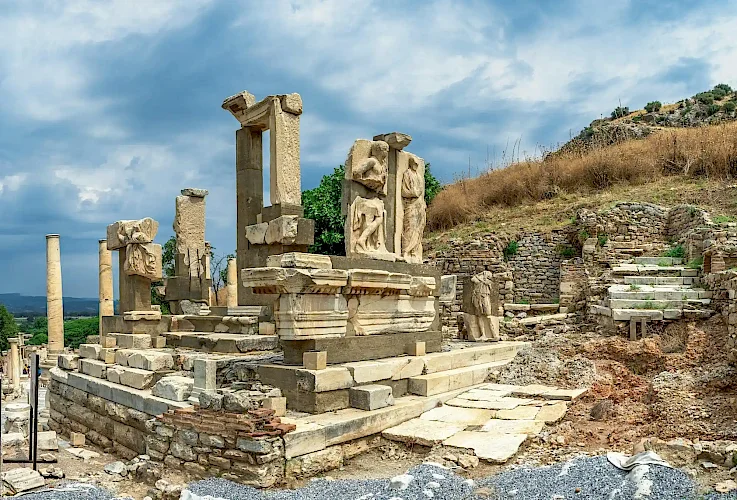
The Significance of Ephesus in Ancient Greek Mythology
Discover the significance of Ephesus in ancient Greek mythology, including its deities, myths, and cultural importance as a center of worship and belief. Ephesus, an ancient city located on the western coast of modern-day Turkey, played a pivotal role in ancient Greek mythology and religion. Its rich tapestry of myths and legends, particularly surrounding the goddess Artemis, highlights its significance as a major cultural and religious center. This guide explores the importance of Ephesus in ancient Greek mythology, focusing on its deities, associated myths, and the city's cultural impact.
1. The Cult of Artemis
Overview:
- Artemis, the Greek goddess of the hunt, wilderness, childbirth, and fertility, was the most significant deity worshipped in Ephesus. The city was home to the Temple of Artemis, one of the Seven Wonders of the Ancient World, dedicated to her worship.
Role in Ephesus:
- Mother Goddess: Artemis was often regarded as a protector of women and children, symbolizing fertility and motherhood. Her connection to nature and the hunt further solidified her importance in Ephesus, where agriculture and wildlife were vital to the local economy.
- Civic Identity: The cult of Artemis became intertwined with the civic identity of Ephesus. The goddess’s worship fostered a sense of community and cultural pride among the citizens.
2. Myths Associated with Artemis
Birth and Early Life:
- One of the most well-known myths surrounding Artemis is her birth story. According to legend, she was born on the island of Delos, along with her twin brother Apollo. Their mother, Leto, endured great hardships due to the wrath of Hera, the queen of the gods, who was jealous of Leto's relationship with Zeus.
Protector of Ephesus:
- Myths often depicted Artemis as a guardian of Ephesus. As the city developed, she became synonymous with its prosperity and well-being, and her temple served as a vital center for worship and pilgrimage.
3. Ephesus in the Context of Greek Mythology
Cultural Interactions:
- Ephesus served as a melting pot of various cultural influences, and its mythology was shaped by interactions with other civilizations. The city’s connection to the goddess Artemis extended beyond Greek mythology, incorporating elements from Near Eastern religions, particularly the worship of the fertility goddess Ishtar or Astarte.
Artistic Representation:
- The myths of Ephesus inspired countless works of art, including sculptures, pottery, and temple friezes. The imagery associated with Artemis and other deities became central to the artistic expression of the time.
4. The Temple of Artemis
Architectural Marvel:
- The Temple of Artemis was not only a place of worship but also an architectural masterpiece. Built in the 6th century BCE, it featured 127 columns, each standing 18 meters (60 feet) tall, showcasing the artistic and engineering prowess of the ancient Greeks.
Religious Significance:
- The temple served as a center for religious festivals, attracting pilgrims from across the ancient world. The Artemisia, a festival dedicated to Artemis, featured athletic competitions, sacrifices, and processions, reinforcing the goddess's importance to the city's identity.
5. Ephesus and Other Mythical Figures
Connections to Other Deities:
- In addition to Artemis, Ephesus was linked to other mythical figures, including Hecate, the goddess of magic and witchcraft. Hecate was often associated with crossroads and transitions, reflecting the diverse spiritual landscape of Ephesus.
Literary References:
- Ephesus is mentioned in various ancient texts, including works by Herodotus and Strabo, highlighting its prominence in Greek mythology and culture. These references often focused on the city's connection to its deities and the significance of its temples.
6. Legacy and Influence
Continued Relevance:
- The myths and legends of Ephesus have continued to inspire writers, artists, and scholars throughout history. The city's connection to Greek mythology enriches its cultural heritage and attracts visitors interested in exploring its storied past.
Modern Interpretations:
- Today, Ephesus remains a popular destination for tourists and pilgrims alike. The ruins of the Temple of Artemis and other historical sites serve as a reminder of the city’s legendary status in ancient Greek mythology.
Conclusion
Ephesus holds a special place in ancient Greek mythology, primarily through its devotion to the goddess Artemis. The city's rich tapestry of myths, legendary figures, and architectural achievements showcases its significance as a center of worship and cultural identity. As you explore the ruins of Ephesus, you encounter the echoes of its mythological past, inviting reflection on the enduring power of belief and the stories that shaped this remarkable city. The legacy of Ephesus continues to inspire, reminding us of the profound connections between culture, mythology, and human experience.
Introduction
Discover the fascinating world of The Significance of Ephesus in Ancient Greek Mythology in ancient Ephesus. This comprehensive guide explores the historical significance, archaeological findings, and cultural impact of this remarkable aspect of Ephesian heritage.
Historical Background
The history of The Significance of Ephesus in Ancient Greek Mythology dates back to the early days of Ephesus. Archaeological evidence suggests that this aspect of Ephesian life played a crucial role in shaping the city's development and cultural identity.
Archaeological Discoveries
Recent excavations have unveiled remarkable findings related to The Significance of Ephesus in Ancient Greek Mythology. These discoveries provide valuable insights into how this aspect of Ephesian life evolved over time.
Cultural Significance
Understanding The Significance of Ephesus in Ancient Greek Mythology is crucial for appreciating the broader cultural context of ancient Ephesus. Its influence extended beyond the city walls, impacting trade, religion, and daily life.
Visitor Information
Today, visitors to Ephesus can explore the remnants of The Significance of Ephesus in Ancient Greek Mythology firsthand. This section provides practical information for making the most of your visit.
Preservation and Future
Ongoing conservation efforts ensure that The Significance of Ephesus in Ancient Greek Mythology remains preserved for future generations. Learn about the challenges and successes in maintaining this important historical site.
Frequently Asked Questions
What is the historical significance of The Significance of Ephesus in Ancient Greek Mythology?
The The Significance of Ephesus in Ancient Greek Mythology holds great historical importance in ancient Ephesus, providing valuable insights into the city's cultural and social development.
What can visitors see related to The Significance of Ephesus in Ancient Greek Mythology today?
Visitors to Ephesus can explore well-preserved remains and artifacts related to The Significance of Ephesus in Ancient Greek Mythology, offering a glimpse into the ancient world.
When is the best time to visit The Significance of Ephesus in Ancient Greek Mythology?
The best time to visit is during the spring (April-May) or autumn (September-October) when the weather is mild and crowds are smaller.
Frequently Asked Questions
What is the historical significance of The Significance of Ephesus in Ancient Greek Mythology?
The The Significance of Ephesus in Ancient Greek Mythology holds great historical importance in ancient Ephesus, providing valuable insights into the city's cultural and social development.
What can visitors see related to The Significance of Ephesus in Ancient Greek Mythology today?
Visitors to Ephesus can explore well-preserved remains and artifacts related to The Significance of Ephesus in Ancient Greek Mythology, offering a glimpse into the ancient world.
When is the best time to visit The Significance of Ephesus in Ancient Greek Mythology?
The best time to visit is during the spring (April-May) or autumn (September-October) when the weather is mild and crowds are smaller.
Frequently Asked Questions
What is the historical significance of The Significance of Ephesus in Ancient Greek Mythology?
The The Significance of Ephesus in Ancient Greek Mythology holds great historical importance in ancient Ephesus, providing valuable insights into the city's cultural and social development.
What can visitors see related to The Significance of Ephesus in Ancient Greek Mythology today?
Visitors to Ephesus can explore well-preserved remains and artifacts related to The Significance of Ephesus in Ancient Greek Mythology, offering a glimpse into the ancient world.
When is the best time to visit The Significance of Ephesus in Ancient Greek Mythology?
The best time to visit is during the spring (April-May) or autumn (September-October) when the weather is mild and crowds are smaller.


