

Introduction
Introduce the aqueducts and Nymphaeum as prime examples of Roman engineering prowess in Ephesus. Explain the significance of these structures in providing water and beautifying the city, showcasing Rome's commitment to urban development and public amenities.
Roman Aqueducts: Lifelines of Ephesus
Describe the purpose and design of the Roman aqueducts, which brought water from surrounding mountains and rivers into the city. Explain how these aqueducts were essential in sustaining the growing population of Ephesus and supporting public baths, fountains, and households.
- Engineering Techniques: Highlight the Roman use of arches, channels, and gravity-based systems that allowed water to travel over long distances. Describe how the materials and construction techniques ensured durability and efficiency.
- Water Sources and Distribution: Discuss the sources of water that fed into the aqueducts and how they were distributed to various parts of the city. Mention the role of cisterns and fountains in regulating the water supply for different purposes.
The Nymphaeum: A Monumental Fountain and Civic Space
Introduce the Nymphaeum, a monumental fountain dedicated to the water nymphs, which served both as a functional structure and a decorative element in Ephesus. Describe its elaborate design, adorned with statues, columns, and reliefs, making it one of the city’s most impressive architectural features.
- Architectural Elements: Explain the architectural features of the Nymphaeum, including its multi-tiered structure, ornate decorations, and use of marble. Mention the statues of deities and mythological figures that often adorned the fountain.
- Cultural and Social Role: Discuss the Nymphaeum's role as a public gathering place where citizens could socialize, access fresh water, and participate in community life. Explain how it reflected Roman ideals of beauty, public utility, and civic pride.
The Significance of Roman Water Management Systems
Explore the broader significance of Roman water systems in Ephesus, showing how the aqueducts and Nymphaeum exemplified the Romans' mastery of water management. Discuss how these systems supported the public baths, residential areas, and agricultural needs of Ephesus.
Archaeological Discoveries and Restoration
Detail the archaeological findings related to the aqueducts and Nymphaeum, including structural remnants, inscriptions, and decorative fragments. Mention the efforts to preserve and restore these features, which allow modern visitors to appreciate their original grandeur.
Visiting the Aqueducts and Nymphaeum Today
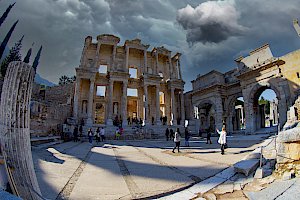
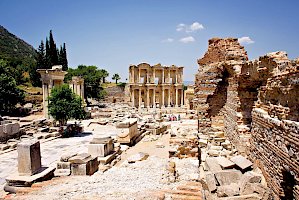
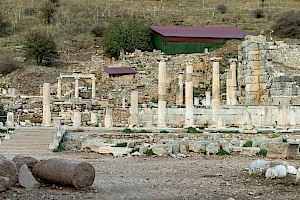
Provide guidance for visitors interested in exploring the remains of the Roman aqueducts and Nymphaeum. Describe what visitors can see today, such as the foundations, arches, and decorative elements that have survived the centuries.
Conclusion
Conclude by reflecting on the importance of Roman engineering in shaping Ephesus. Emphasize how the aqueducts and Nymphaeum illustrate the Romans' commitment to functionality, beauty, and the welfare of the city’s inhabitants, leaving a lasting legacy of innovation and public service.
External Link Suggestion:
Link to the Wikipedia page on Roman engineering for more on the architectural techniques and innovations discussed.