

Journey through Ephesus, an ancient city rich in history and forgotten over centuries. Discover the stories, ruins, and cultural heritage that make Ephesus a must-visit archaeological site. Nestled on the western coast of Turkey near the modern town of Selçuk, Ephesus is an ancient city whose legacy stretches back thousands of years. Known for its architectural wonders, religious significance, and cultural achievements, Ephesus once stood as a bustling metropolis of the Greek and Roman worlds. Over time, however, it faded into obscurity, abandoned and nearly forgotten, only to be rediscovered centuries later through archaeological efforts. Today, Ephesus offers a rare glimpse into the past, showcasing the ruins and stories of a city that has endured the test of time.
The Rise and Fall of Ephesus
Ephesus was established around the 10th century BCE by Greek settlers, and over the centuries, it grew into one of the most important cities of the ancient world. The city’s strategic location along the Aegean Sea made it a thriving center for trade, culture, and religion. As part of the Ionian League, Ephesus enjoyed prosperity, becoming famous for the Temple of Artemis, one of the Seven Wonders of the Ancient World. Under the Romans, Ephesus reached its peak, expanding with grand structures such as the Library of Celsus, the Great Theatre, and expansive public baths. However, as the centuries passed, Ephesus faced numerous challenges. Earthquakes, invasions, and the silting up of its harbor gradually led to the city’s decline. By the 15th century, Ephesus had been abandoned, its glory days forgotten, and it lay buried under layers of earth and vegetation.
Rediscovery Through Archaeology
The forgotten city of Ephesus remained hidden until the 19th century when British archaeologist John Turtle Wood began searching for the Temple of Artemis. His discovery sparked a wave of interest, and in 1895, Austrian archaeologists took over, systematically uncovering the ruins. Today, Ephesus is one of the best-preserved ancient cities in the world, with ongoing excavations that continue to reveal new insights into its past.
Iconic Sites in Ephesus
1. The Temple of Artemis
As one of the Seven Wonders of the Ancient World, the Temple of Artemis drew worshippers from across the Mediterranean. Dedicated to the goddess of the hunt and fertility, the temple was a massive structure, larger than the Parthenon. Though only a few columns remain today, the site evokes a sense of the temple's grandeur and spiritual significance. Learn more about this wonder on Wikipedia.
2. The Library of Celsus
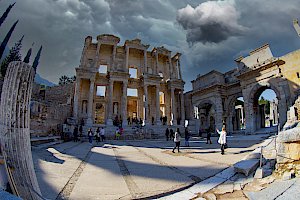
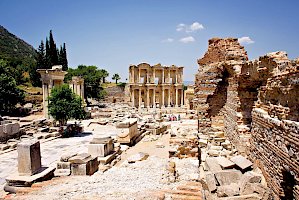
Built in the 2nd century CE, the Library of Celsus was a monumental structure dedicated to Tiberius Julius Celsus Polemaeanus, a Roman senator. The library once held thousands of scrolls and was an important center for learning. Its reconstructed façade, adorned with statues representing wisdom, knowledge, and virtue, is one of Ephesus’s most iconic landmarks.
3. The Great Theatre
Carved into the hillside, the Great Theatre could seat up to 25,000 people and was used for public gatherings, performances, and gladiatorial contests. The theatre also holds religious significance, as it is mentioned in the Book of Acts in the Bible, where the Apostle Paul preached to the Ephesians. The theatre’s impressive size and acoustics make it a highlight for visitors exploring the ancient city.
4. The Terrace Houses
Often called the “houses of the rich,” the Terrace Houses were home to Ephesus’s wealthy citizens. These multi-story residences feature mosaics, frescoes, and an advanced heating system, showcasing the luxurious lifestyle of Ephesus’s elite. Archaeologists continue to uncover artifacts from these homes, offering insights into daily life in Roman Ephesus.
Ephesus as a Religious and Cultural Hub
Ephesus was not only a center of commerce but also a significant religious site. It was home to the Temple of Artemis, a major sanctuary of the goddess, as well as other temples dedicated to Roman emperors and gods. With the spread of Christianity, Ephesus became a key location in early Christian history. The city is associated with the Apostle Paul, who wrote the Epistle to the Ephesians, and St. John, who is believed to have spent his last days here. According to Christian tradition, Mary, the mother of Jesus, is said to have lived in Ephesus under the care of St. John. Today, the House of the Virgin Mary, located a short distance from Ephesus, is a popular pilgrimage site for both Christians and Muslims. To learn more about this sacred site, visit virginmaryhouse.com.
The Legacy of Ephesus
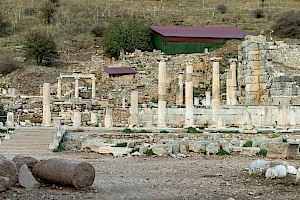
Although Ephesus was abandoned and forgotten for centuries, its legacy has been revived through the efforts of archaeologists and historians. The city offers a unique snapshot of ancient life, with its marble streets, public baths, temples, and residential areas providing a comprehensive view of urban planning in the ancient world. The lessons of Ephesus reflect the impermanence of human achievement. The city's prosperity, decline, and eventual rediscovery remind us of the cycles of history and the importance of preserving cultural heritage for future generations.
Visiting Ephesus Today
Today, Ephesus is one of Turkey's most visited tourist destinations, attracting history enthusiasts, pilgrims, and curious travelers from around the world. Here are some tips for exploring this ancient city:
- Plan for a Full Day: Ephesus covers a large area, so set aside at least a full day to explore its major sites.
- Hire a Guide: A knowledgeable guide can provide fascinating insights into Ephesus’s history, architecture, and mythology.
- Visit Early or Late: To avoid crowds, consider visiting Ephesus early in the morning or later in the afternoon.
- Explore Nearby Sites: In addition to Ephesus, the nearby House of the Virgin Mary and the Basilica of St. John are well worth a visit for their historical and spiritual significance.
For a guided tour that delves into the history and wonders of Ephesus, check out ephesustours.biz, which offers expert-led tours to enhance your experience.
The Enduring Allure of Ephesus
As you walk through the ruins of Ephesus, it’s easy to imagine the bustling life that once filled its streets. Though the city was forgotten for centuries, its rediscovery has allowed it to once again capture the imaginations of people from around the world. Ephesus stands as a testament to the resilience of human achievement and the lasting impact of cultural heritage. Whether you’re drawn to its religious significance, historical importance, or architectural beauty, Ephesus is a place where the past comes alive, offering an unforgettable journey into a city that truly stood the test of time.