

Exploring Ephesus' Temple of Diana: A Journey Through Ancient Wonders
The Temple of Diana, also known as the Temple of Artemis, is one of the most remarkable landmarks of the ancient city of Ephesus. This sacred structure, celebrated as one of the Seven Wonders of the Ancient World, stood as a testament to the cultural, religious, and architectural brilliance of antiquity. Its history stretches back to the early days of Ephesus, where it played a vital role in shaping the city's development and identity. This guide explores the fascinating story of the Temple of Diana, delving into its historical significance, architectural marvels, and the legacy it left behind.
Historical Significance
Origins and Dedication to Diana (Artemis)
The Temple of Diana was dedicated to Artemis, the goddess of the hunt, wilderness, fertility, and the moon. Known as Diana in Roman mythology, Artemis was revered as a protector of women and children and a symbol of nature's bounty. The worship of Artemis in Ephesus predates Greek colonization, with roots in the worship of a local Anatolian mother goddess. Over time, Greek settlers merged their traditions with the local cult, elevating Artemis as the city's patron deity.
The construction of the first temple began around 800 BCE. However, the most renowned version of the temple was commissioned by the Lydian King Croesus and completed in 550 BCE. This monumental project symbolized the city's devotion to its goddess and its ambition to create a structure that would awe the ancient world.
A Center for Religion and Commerce
The Temple of Diana was more than a religious sanctuary; it was a hub for commerce, culture, and social interaction. Pilgrims from across the ancient world traveled to Ephesus to pay homage to the goddess, bringing offerings and wealth that enriched the city. The temple also served as a safe haven, with its grounds declared an inviolable sanctuary. This status attracted traders, artisans, and scholars, solidifying Ephesus' role as a major center of ancient civilization.
Architectural Marvels
Design and Construction
The Temple of Diana was an architectural masterpiece, designed by the Greek architects Chersiphron and Metagenes. Measuring approximately 115 meters in length and 55 meters in width, it was four times larger than the Parthenon in Athens. The temple featured 127 Ionic columns, each standing 18 meters tall, adorned with intricate carvings and gilded details.
The structure's base was made of white marble, which glistened under the sun, creating an ethereal effect. The walls and columns were decorated with reliefs depicting scenes from mythology and nature, highlighting the artistic and cultural richness of the period.
Advanced Engineering
The temple's construction on marshy ground was a deliberate choice to prevent earthquake damage. Builders used layers of charcoal and sheepskins beneath the foundation to absorb shocks and provide stability. This innovative technique demonstrated the advanced engineering knowledge of ancient architects.
Decline and Rediscovery
Destruction and Rebuilding
The Temple of Diana faced multiple instances of destruction and rebuilding throughout its history. It was first destroyed by a flood in the 7th century BCE and later rebuilt with greater grandeur. In 356 BCE, a man named Herostratus set fire to the temple in an attempt to achieve infamy. His act of arson led to the temple's complete destruction.
Alexander the Great offered to finance the temple's reconstruction, but the Ephesians refused, choosing instead to rebuild it with their own resources. The final version of the temple stood until the 3rd century CE when it was destroyed during a Gothic invasion. With the rise of Christianity and the decline of pagan practices, the temple fell into disuse, and its materials were repurposed for other buildings.
Archaeological Discoveries
In the 19th century, British archaeologist John Turtle Wood rediscovered the site of the Temple of Diana after years of excavation. Today, the foundations and a reconstructed column serve as reminders of its former glory. Artifacts from the temple, including statues and reliefs, are displayed in museums worldwide, offering a glimpse into its magnificence.
Cultural and Religious Legacy
Influence on Art and Architecture
The Temple of Diana inspired numerous structures across the ancient world, influencing the development of classical architecture. Elements of its Ionic style, such as fluted columns and ornate capitals, became hallmarks of Greek and Roman design. Its grandeur set a standard for temple construction, symbolizing the intersection of art and devotion.
Transition to Christianity
As Christianity gained prominence in Ephesus, the temple's religious significance waned. The spread of Christian beliefs led to the abandonment of pagan practices, and the site was eventually repurposed. Despite this transition, the temple's cultural and historical impact endured, reflecting the city's dynamic spiritual evolution.
Visiting the Temple of Diana Today
What Remains
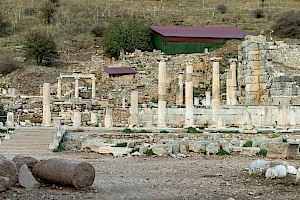
Although only fragments of the temple remain, the site near Selçuk, Turkey, continues to attract visitors from around the world. The foundations and a single reconstructed column provide a sense of its original scale and grandeur. The surrounding area, rich in archaeological finds, offers additional context to its storied past.
Nearby Attractions
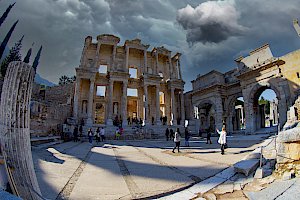
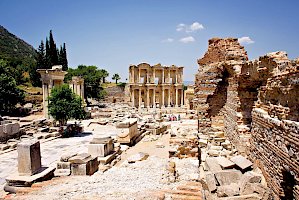
- Ephesus Archaeological Site: Explore other landmarks of ancient Ephesus, including the Library of Celsus and the Great Theatre.
- Ephesus Archaeological Museum: View artifacts from the Temple of Diana and other Ephesian sites.
- The Basilica of St. John: A significant Christian landmark located near the temple site.
Practical Tips
- Best Time to Visit: Spring (April-May) and autumn (September-October) offer pleasant weather and fewer crowds.
- Guided Tours: Enhance your visit with a knowledgeable guide to learn about the temple's history and significance.
- Photography: Capture the atmosphere of the site, especially during sunrise or sunset for dramatic lighting.
Lessons from the Past
The Temple of Diana stands as a testament to humanity's enduring quest for meaning, beauty, and connection. Its rise and fall reflect the impermanence of even the greatest achievements and the evolving nature of faith and culture. The temple's legacy reminds us of the power of shared spaces to inspire awe and foster community.
Conclusion
Exploring the Temple of Diana is a journey through the spiritual and cultural heritage of the ancient world. From its architectural brilliance to its role as a center of devotion and commerce, the temple encapsulates the essence of Ephesian life. Visiting the site today offers a unique opportunity to connect with history and reflect on the timeless themes of art, faith, and human ingenuity. Plan your trip to Ephesus and immerse yourself in the wonders of this ancient marvel.