

Introduction
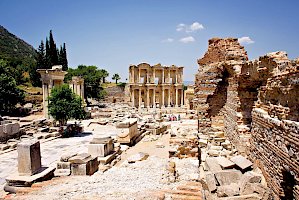
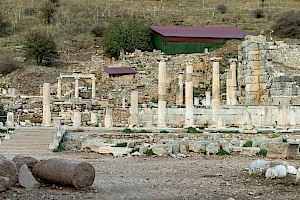
Begin with an overview of Ephesus, highlighting its significance as a major ancient city and archaeological site. Mention how excavations have uncovered layers of history that reveal Ephesus' cultural, religious, and architectural legacy.
Early Excavations and Discoveries
Discuss the first major excavations in the 19th century, led by British and Austrian archaeologists, which focused on sites like the Temple of Artemis and the Great Theatre. Explain the initial findings and how they confirmed Ephesus' role as an important ancient hub.
Uncovering Religious Sites
Describe how excavations at the Temple of Artemis and the Basilica of St. John revealed the religious life of Ephesus. Mention artifacts such as statues, coins, and reliefs that depict various deities worshiped in Ephesus. Detail how these discoveries provide insights into both pagan and Christian traditions.
The Great Theatre and Public Spaces
Explore findings from the Great Theatre, which showcase the social and political life in Ephesus. Discuss how excavation teams uncovered seating areas, inscriptions, and other architectural details that reveal how Ephesians gathered for entertainment and public events.
The Library of Celsus and Intellectual Legacy
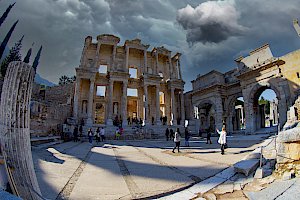
Detail the discovery of the Library of Celsus, an architectural marvel that highlights Ephesus' dedication to knowledge and learning. Explain the structure's significance and how excavation work helped reveal its iconic facade, statues, and inscriptions.
Daily Life in Ephesus Through Archaeological Finds
Describe artifacts that shed light on the daily lives of ancient Ephesians, including pottery, tools, and household items. Mention the residential areas and terraces where intricate mosaics and frescoes were found, providing a glimpse into the domestic lives of Ephesus' residents.
Modern Excavation Efforts
Discuss ongoing excavations that continue to uncover Ephesus' hidden past. Highlight recent discoveries and the role of modern technology in exploring new sections of the city. Mention how these efforts aim to preserve the site while deepening our understanding of ancient civilizations.
The Impact of Archaeological Discoveries on Ephesus Today
Explain how these excavations have transformed Ephesus into a major tourist destination, attracting visitors eager to explore its ancient wonders. Mention the role of museums, like the Ephesus Archaeological Museum, which houses artifacts and provides context for the city's history.
Conclusion
Conclude by reflecting on the importance of excavation work in preserving Ephesus' history. Emphasize how ongoing archaeological efforts continue to reveal new aspects of this ancient city, enriching our understanding of its legacy.
External Link Suggestion:
Link to the Wikipedia page on Ephesus for further reading.